Wake-up call: the real problem and one clear step forward
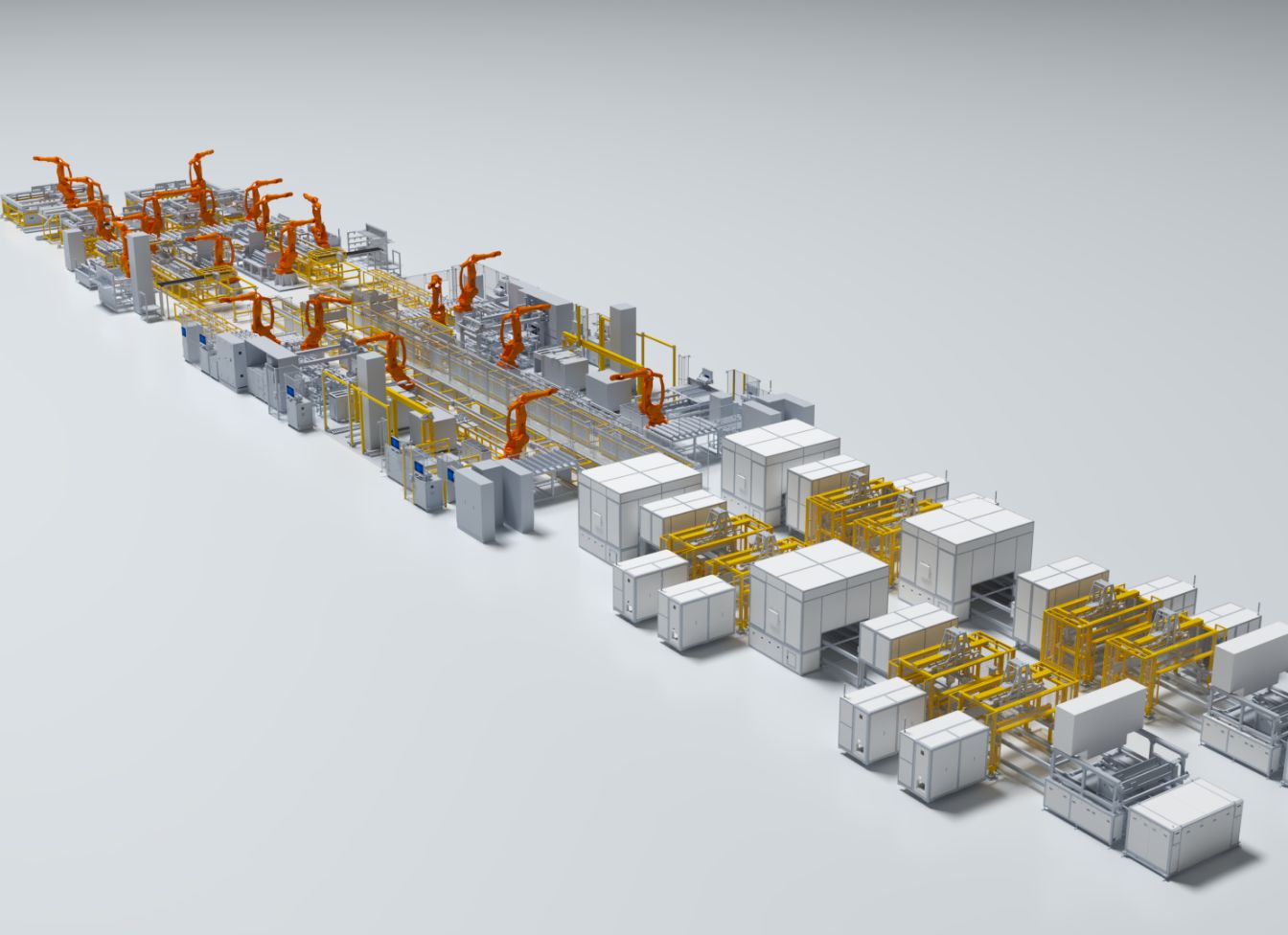
You can stop letting small issues snowball into line-stopping crises. When throughput dips, rework spikes, or safety glitches appear, the root is often preventable: poor maintenance routines and unclear supplier responsibilities. Start here — scan the blade battery assembly line and spot the obvious: loose fixtures, residue on sealing heads, cooling-block scale. That quick scan separates firefighting from predictable uptime.
Pinpoint the failure modes you must beat
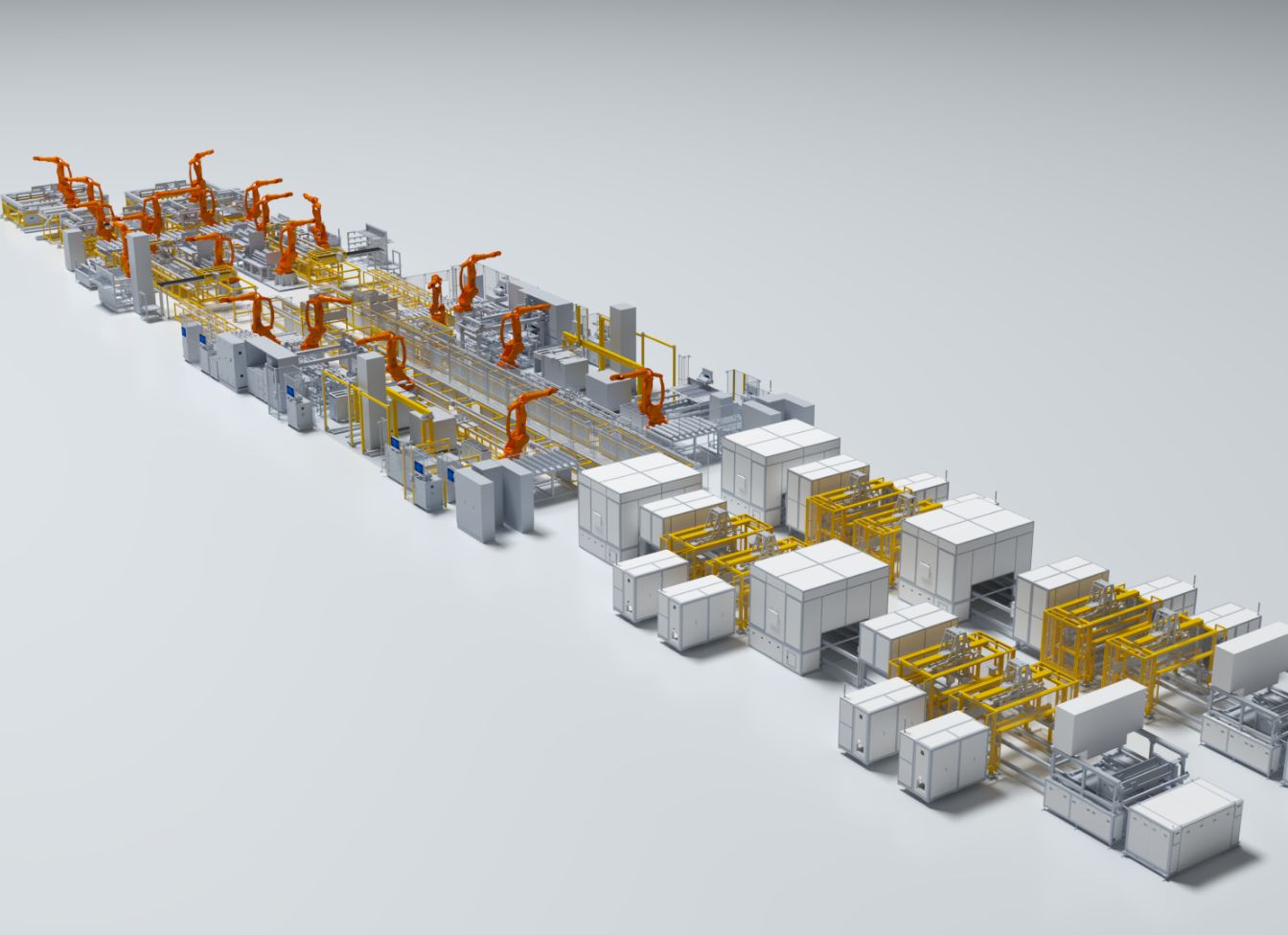
Know what breaks most often and you’ll know what to protect. Common failure modes on blade battery assembly lines:- Misaligned fixtures and jigs that cause poor weld/lamination quality.- Contaminated electrodes or tabs from improper cleaning procedures.- Vacuum or pneumatic leaks that reduce process repeatability.- Thermal-control drift in heating or curing stations.List these by frequency and impact; attack the top two problems first and measure improvement weekly.
Daily and weekly actions that actually prevent downtime
Small habits produce big results. Put these tasks on a visible board and hold quick standups:- Daily: visual walk of welders, conveyor tracking, and dust buildup; check vacuum pressures and filter indicators.- Weekly: tighten critical fasteners, verify alignment of critical jigs, test emergency stops, and run a mini-process test sample.- Keep a simple log: who, what, result. Celebrate the wins — a single successful week without a process fault deserves recognition.
Monthly and quarterly checks that find slow failures
Deeper checks catch creeping degradation before it becomes a crisis:- Monthly: measure heating/cooling profiles, inspect sensor calibrations, replace worn tooling, and clean vacuum traps.- Quarterly: vibration analysis on motors, detailed electrical bonding inspections, and full calibration of measuring instruments.- Review trend charts for yield, scrap, and rework. If a metric drifts three measurement points, take targeted corrective action immediately.
People-first procedures and supplier alignment
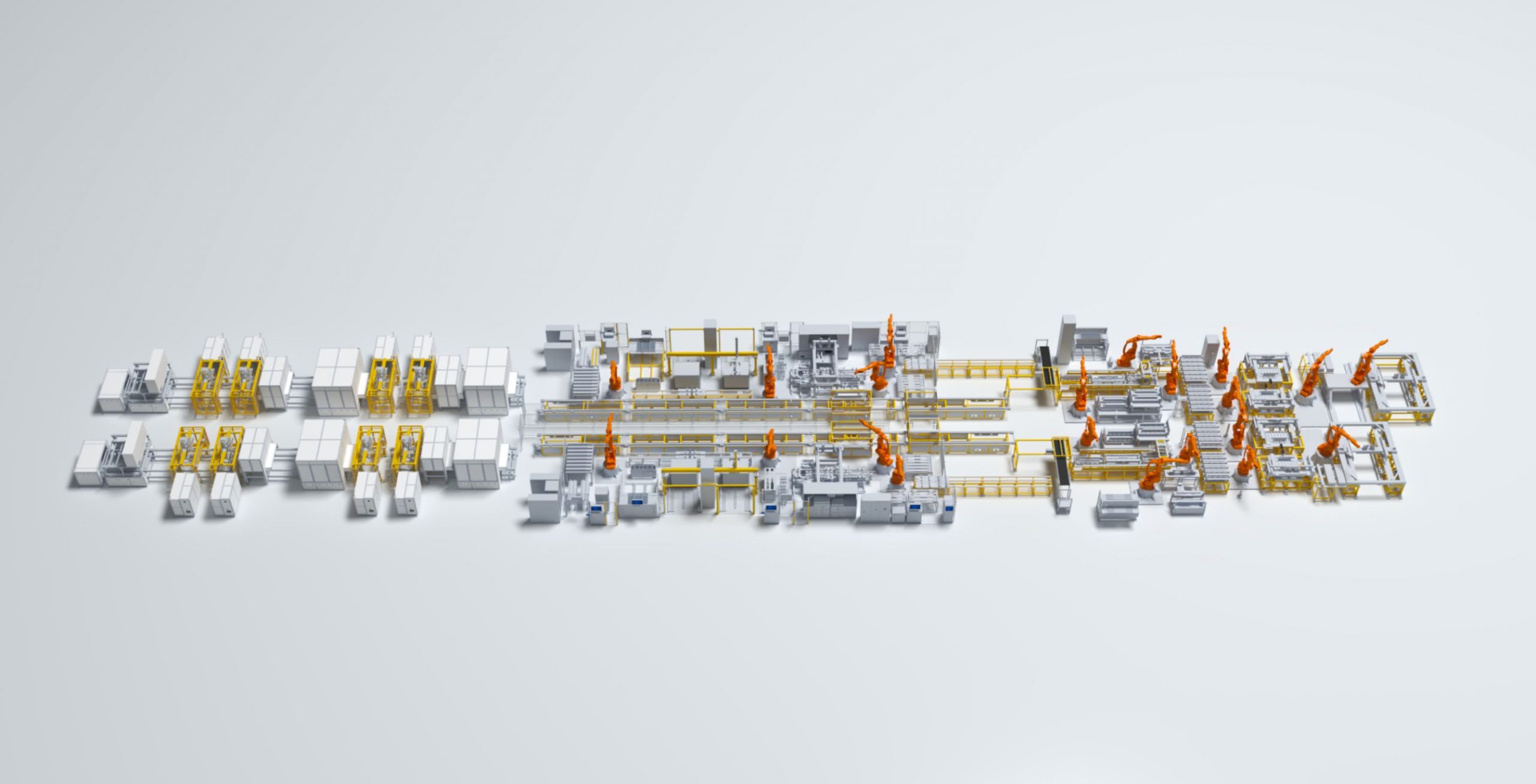
Processes fail when ownership is fuzzy. Assign clear roles: daily operator checks, a maintenance owner for weekly tasks, and an engineering sponsor for quarterly projects. Choose partners who train your team and document fixes. Many manufacturers operating in Shenzhen, China, run combined training-and-support programs that shorten the learning curve. When you evaluate a new vendor, favor the one that shares root-cause reports and improvement plans — that level of openness matters more than flashy specs. For sourcing, check recent capabilities from a known blade battery assembly line manufacturer that provides on-site commissioning support and spare-part kits.
Common pitfalls people keep repeating — and how to stop
Avoid these traps:- Skipping baseline measurements before changes. Always measure before you modify a process.- Treating maintenance as reactive. Schedule forced downtime for preventive tasks, then protect that slot.- Hoarding knowledge. Capture fixes in a shared, searchable log so the next shift doesn’t reinvent a fix.Do one corrective action and verify its effect on production metrics. Repeat until the issue stops reappearing.
Checklist you can use today
Print this and pin it by the line:- Daily: visual inspection + vacuum check + basic clean.- Weekly: tighten, align, run sample, log results.- Monthly: sensor calibration, tooling swap, profile verification.- Quarterly: vibration/electrical audits, full calibration, supplier performance review.Keep a single page with these items and mark them off. Consistency beats complexity.
Final push: turn maintenance into a predictable advantage
You’ve got the steps, the mindset, and the place to start. Treat maintenance as a short list of high-impact behaviors, keep measurement simple, and demand transparency from suppliers so problems are solved, not hidden. That disciplined approach is exactly the practical difference teams notice when quality and uptime climb together — the kind of steady result you see when a partner like FHS shares maintenance standards and helps you track them in real time.