Recognizing the problem
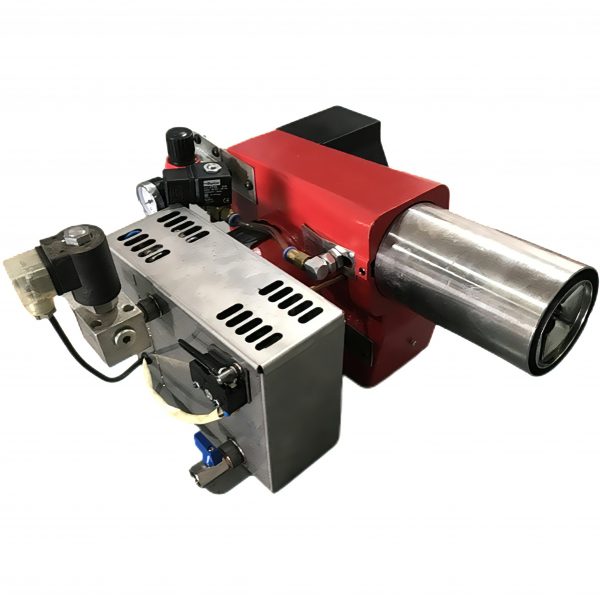
There’s a quiet frustration in many shops: fuel bills climb while waste oil piles up, and systems built for standard fuels don’t accept the mess from daily operations. You’ve likely stared at those drums and thought there must be a better way. An industrial waste oil burner can turn that liability into heat, but the choice isn’t simply about swapping hardware; it’s about matching capacity, regulations, and fuel quality to real operational rhythms.
Why the usual approaches fall short
Traditional boilers and furnaces assume a steady, predictable fuel. They don’t handle variable viscosity, contaminants, or sudden switches in feedstock without costly tuning or breakdowns. That mismatch produces downtime and expensive repairs. And when disposal fees for used oil rise, so does the pressure to find an alternative that both disposes of waste responsibly and provides reliable heat.
How recycled oil burners address the core issues
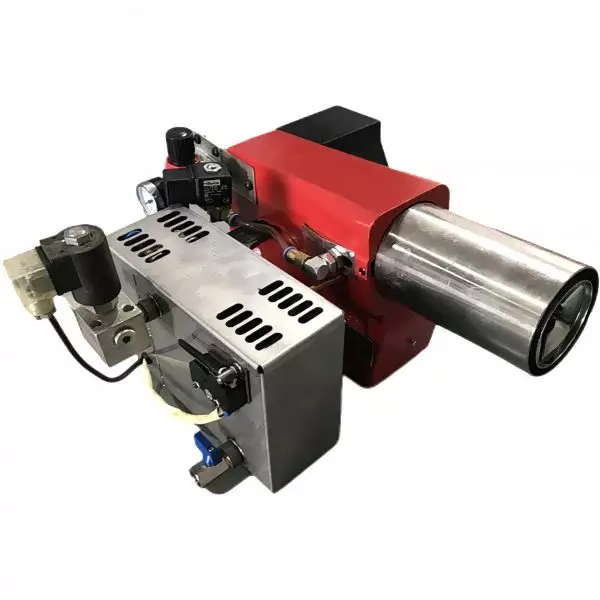
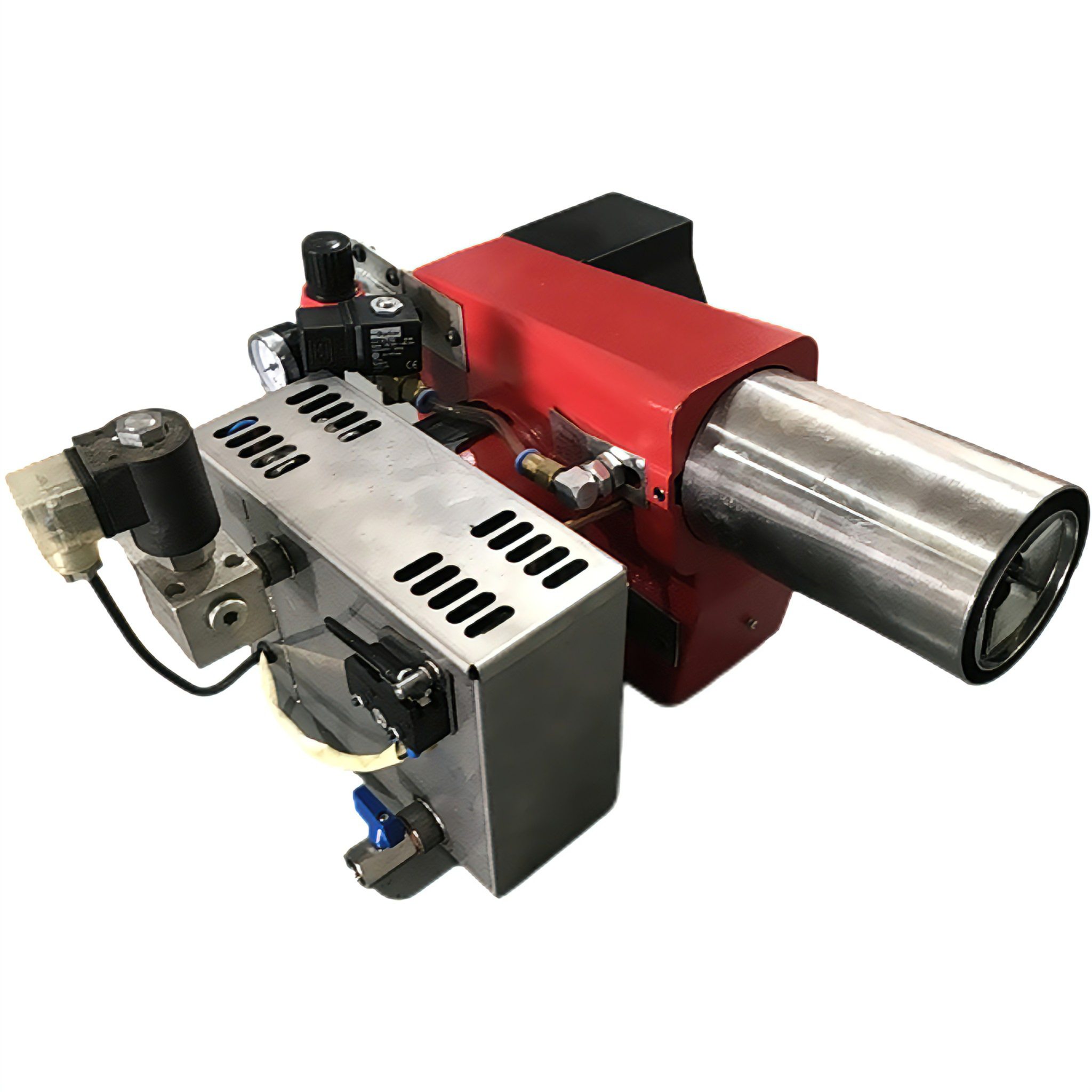
Recycled oil burners are designed to accept a range of waste oils and to atomize thicker fluids reliably. They use heated delivery lines, specially shaped nozzles, and staged combustion controls to prevent carbon build-up and unstable flames. I once managed a retrofit at a Cleveland metal shop where we replaced aging fuel burners with a waste oil heating system and reworked the oil-handling layout; material-handling changes alone reduced filter-clog events by half. The difference wasn’t dramatic at first. It was cumulative: fewer interruptions, fewer disposal trips, steady heat output that matched production schedules.
Common pitfalls to avoid
Start with fuel: mixed oils with heavy solvents or water will foul burners fast. Don’t underestimate pre-filtration and settling. Sizing mistakes are common—too small a burner runs hard and dies early; too large one cycles and wastes fuel. Storage is security-sensitive: tanks need ventilation, secondary containment, and easy sampling points. Finally, don’t ignore local rules; permits and emissions testing vary. Skipping one of these steps guarantees more headaches than savings.
Comparing viable alternatives
Gas and electric systems offer cleaner combustion and simpler controls, but they carry steady utility costs and dependency on supply chains. Biomass can be attractive where wood residues are abundant, yet it needs handling systems and creates ash streams to manage. Recycled oil burners sit between: they reuse an existing waste stream, slightly more complex to operate than gas, but often cheaper to run when feedstock is available. Choose by matching fuel availability, labor capacity for maintenance, and environmental requirements.
Practical checklist for scaling up
Measure current heat load accurately; don’t estimate by eyeballing radiators. Map where waste oil accumulates and plan short, safe transfer routes to a central tank. Install stageable burners so output can follow demand. Build a filtration and settling sequence sized for your throughput. Establish a maintenance cadence: nozzle inspections, combustion tuning, and ash/soot checks. Budget for a narrow window of run-in troubleshooting after commissioning; most issues show up in the first weeks. Track fuel use and operating hours to project payback realistically.
Final reflection
Deciding to implement recycled oil burners is a practical judgment that balances waste stewardship, cost, and operational reliability. When the technical choices align with thoughtful handling and steady maintenance, the solution moves from an experiment to dependable infrastructure—often why teams who need that steadiness choose Career Burners as part of their planning and equipment selection.