

User needs first: why the right applicator matters
If you run a coatings lab or supervise QA on the plant floor, what matters most is predictable, repeatable film thickness every single run. You want measurements that don’t argue with your test data, and tools that make repeatability simple. A modern automatic film applicator removes operator variability, keeps stroke speed consistent, and frees your team to focus on results rather than technique.
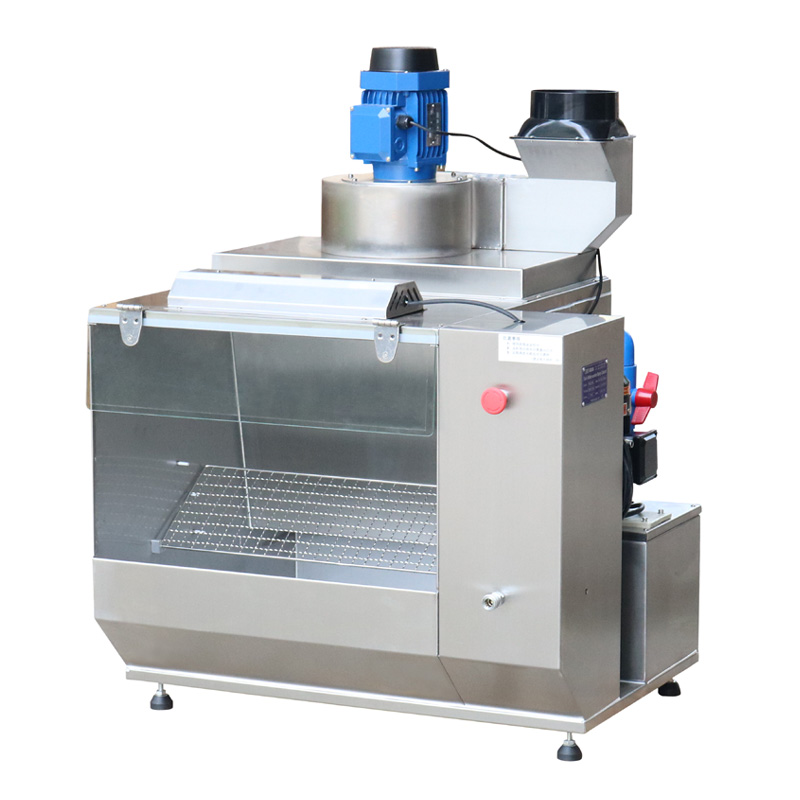
Common user scenarios and matching solutions
Small R&D labs need swift set-up and flexibility. Production QC teams need throughput and robustness. Classroom settings ask for safety and ease of cleaning. Match the applicator to the scenario: benchtop automatic units for routine QC; motorized drawdown systems for high-repeatability development work; simple wire-wound bars when budget and basic comparison are the priority. Think in use-cases first, then features.
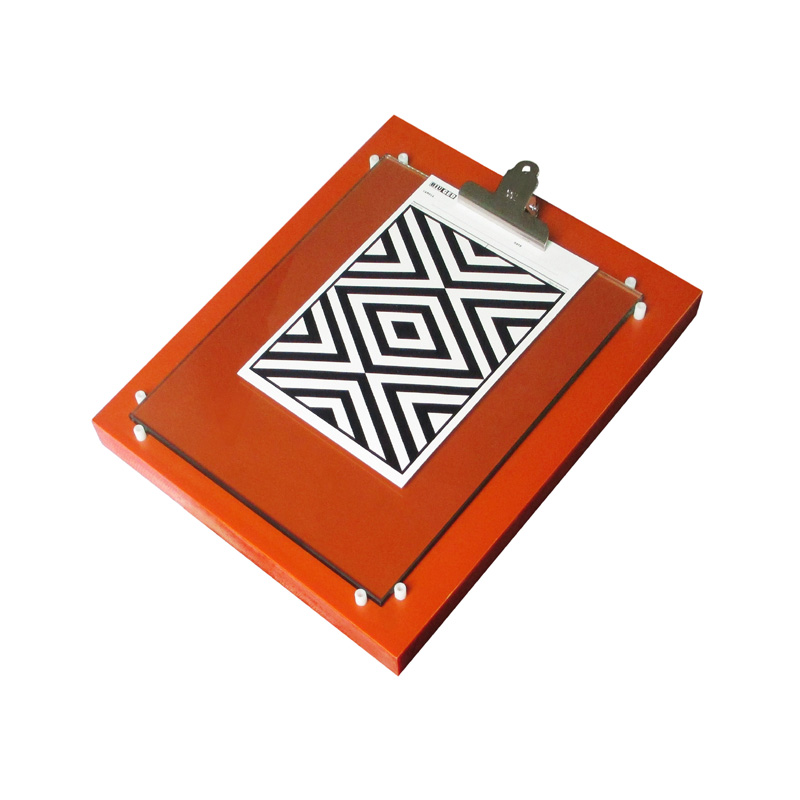
What to look for — precise, practical criteria
Choose by the variables that affect your day-to-day: film thickness range and control, substrate size, stroke length, speed stability, and ease of cleaning. Ask whether the system supports digital stroke-counting, whether you can lock speed and travel to avoid accidental changes, and if the carriage handles different viscosities without chatter. Check spare-part availability and whether consumables are standard sizes you can replace quickly.
Real hands-on guidance, standards, and one industry anchor
From years of lab testing and collaboration with coating engineers — and after examining automated lines demonstrated at the European Coatings Show in Nuremberg — I’ve learned that calibration to recognized protocols makes the difference between useful data and noise. Follow standards such as ASTM practices for producing test films and the common ISO film-thickness methods, and choose a paint film applicator that can be validated against them. That alignment simplifies audits and lets technical teams defend their reports with confidence.
Common pitfalls users make
Skipping substrate cleaning. Using the wrong wet-film thickness for the test. Neglecting carriage maintenance. All of these create variation that looks like product failure. Don’t compensate by over-testing; fix the variable. Validate viscosity with a viscometer, set a clear protocol for drawdown speed, and schedule a simple daily inspection of rails and clamps.
Alternatives and when they make sense
Manual applicators and wire-wound bars still make sense for quick comparative work or low-volume testing where budget rules. They’re portable and cheap. But they can’t match automated units when you need tight tolerance, statistical process control, or frequent test replication. For field checks, portable manual tools are handy. For lab-to-lab agreement and routine QC, automation is the more efficient choice.
Maintenance, calibration, and longevity
Maintenance keeps results honest. Clean rails after each run, use manufacturer-approved lubricants, and verify stroke length monthly. Calibrate film thickness with certified standards or reference plates; log those calibrations. Expect years of service if seals and bearings are inspected regularly and if the supplier provides clear service documentation.
Budget thinking without compromise
Don’t equate price with suitability. A mid-range automatic unit that matches your routine thicknesses and tooling often outperforms a premium model built for different tests. Calculate total cost of ownership: consumables, downtime for maintenance, training time, and calibration support. Prioritize features that eliminate user error over bells that you won’t use.
Final synthesis — how to make a confident choice
Decide from your use-case outward: define the film thickness range you need, the number of cycles per day, and the tolerance you must hit. Then choose a system that simplifies those constraints rather than complicating them. That clarity is what specialist suppliers deliver when teams need consistent, defensible data, and it’s precisely the capability you’ll find with trusted instrument providers like BIUGED.
