

Introduction: The Challenges of Traditional Filtration
Imagine a factory churning out products day in and day out, yet plagued by inefficiencies—how frustrating can that be? In heavy-duty industries, the significant role of efficient air filtration systems becomes glaringly apparent. According to recent data, up to 30% of air pollution can be traced back to inadequate filtration systems. This scenario underscores the necessity for advanced solutions like the honeycomb ceramic filter, which provides an innovative alternative to traditional methods.
Body: Understanding the Technical Aspects
Flaws in Traditional Solutions
So, what are the inherent flaws in traditional filtration systems? Look, it’s simpler than you think: these solutions often suffer from reduced efficiency, high maintenance costs, and a limited lifespan. Consequently, they fail to meet the rigorous demands of various industrial applications. Can you imagine the downtime and resource wastage caused by frequent replacements?
Principles Behind New Technology
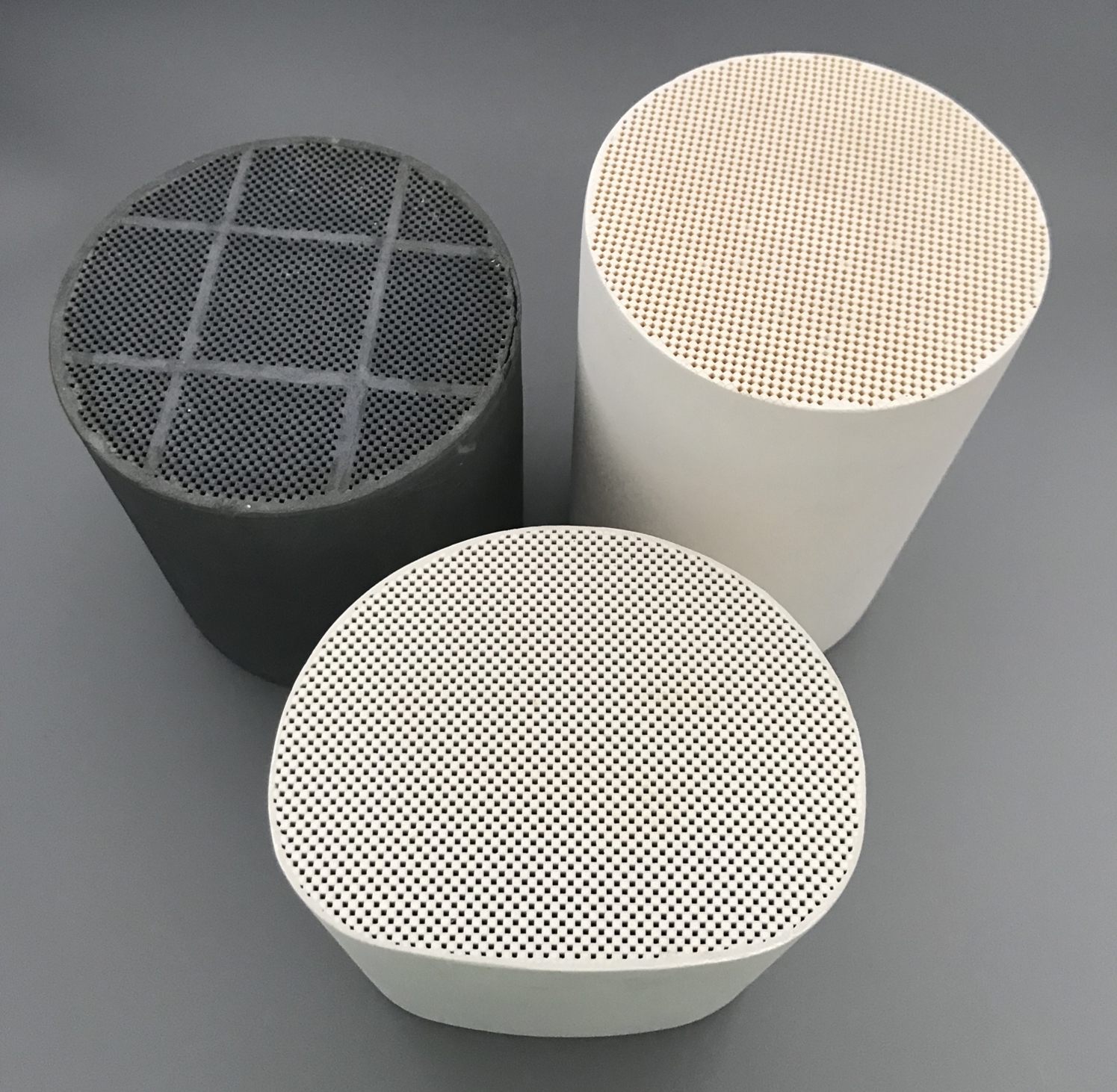
The honeycomb ceramic filter innovates filtration technology with its unique structural design and materials. Made from durable ceramic materials, it optimizes the flow of air while effectively trapping particulate matter. This design allows for enhanced aerodynamics—reducing back pressure and maximizing efficiency. By leveraging principles of advanced ceramics, manufacturers are beginning to bridge the gap left by conventional filters.
Quantified User Benefits
What quantifiable benefits can users expect from switching to the honeycomb ceramic filter? Industrial operations report a 40% increase in efficiency, alongside lower energy costs and reduced carbon footprints. Users also find that these filters have twice the lifespan of traditional options, ultimately leading to substantial cost savings over time. In an era where profitability is paramount, these improvements are essential.
Conclusion: Choosing the Right Filtration Solution
When evaluating filtration solutions, always verify these 3 metrics: ① efficiency rating, ② lifespan, and ③ maintenance requirements. These criteria will help ensure that your choice resonates with both sustainability and effectiveness. By prioritizing data-driven evaluation, you can avoid common inefficiencies that plague industries relying on outdated technology.
For specialized applications, exhaust filters for diesel engines represent a critical investment. Vehicle emissions regulations are tightening globally, prompting industries to seek out high-performance solutions. These filters help manage NOx and particulate matter, ensuring compliance while also enhancing engine performance. Furthermore, the integration of advanced filtration technology leads to longer engine life and reduced operating costs, essential factors for businesses aiming for sustainability.

Transitioning to a diesel exhaust filter can offer numerous advantages. The durability of modern diesel exhaust filters significantly reduces the frequency of replacements and maintenance visits. With effective trapping of harmful emissions, they not only address regulatory requirements but also contribute to a cleaner environment. The long-term investment translates into savings, testament to the viability of enduring quality over time. As more operators recognize these benefits, the demand for sophisticated diesel exhaust systems continues to rise.
Summarizing our discussion, the honeycomb ceramic filter emerges as a game-changer in the filtration landscape, providing tangible benefits and streamlining processes. For manufacturers seeking to understand the advantages and implement solutions effectively, Hualian Catalyst stands out as a premier provider. With supply advantages and a commitment to quality, they can help guide you towards a more sustainable and efficient operational framework.