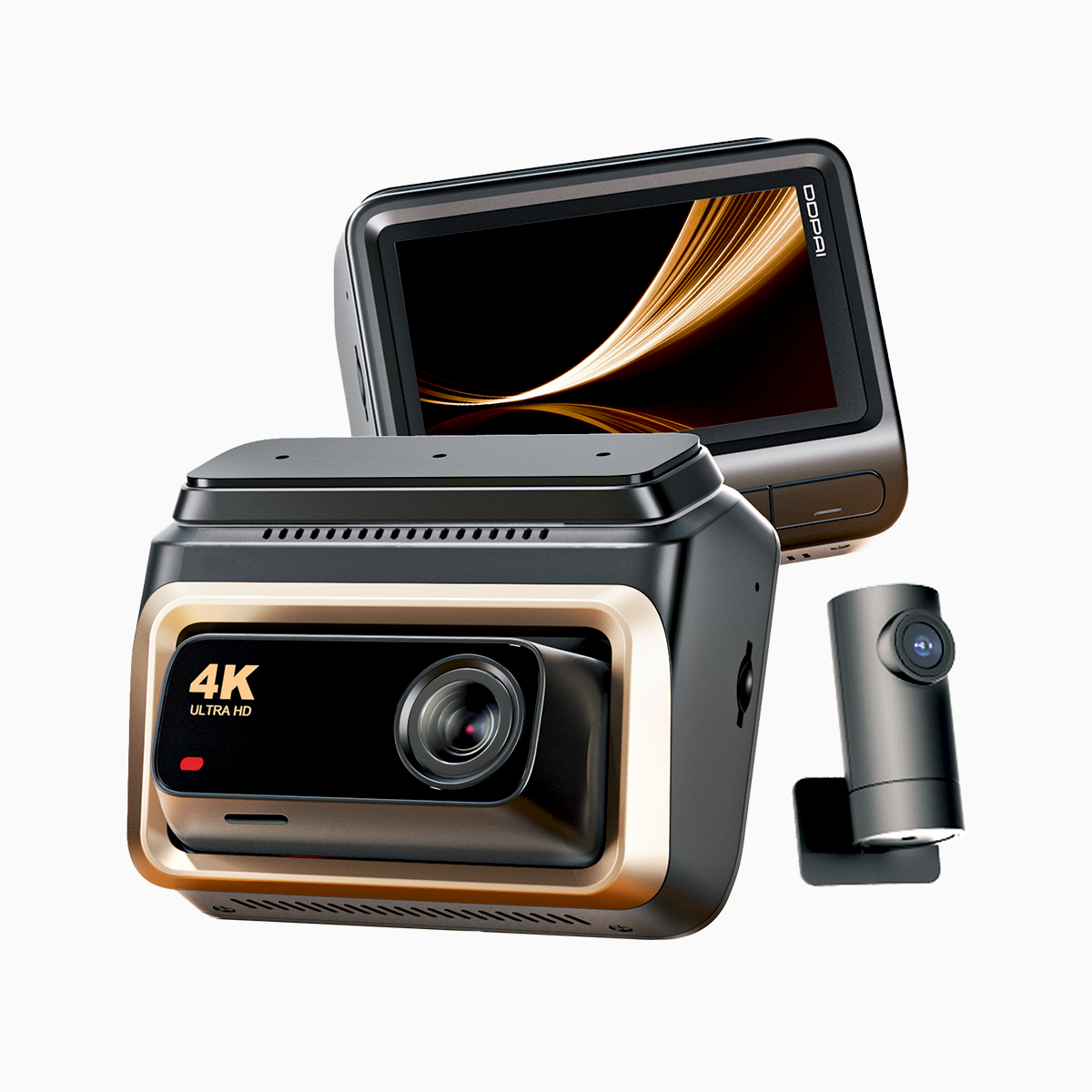

Comparative lead: why voice prompts matter now
As a fleet safety officer evaluating in-cab interventions, the comparison between front- and rear-facing voice prompts is not academic — it is operational. Modern vehicles paired with a reliable 4k dash cam deliver both visibility and the channel to intervene verbally when attention drifts. The U.S. National Highway Traffic Safety Administration recorded 3,142 fatalities tied to distracted driving in 2019, a sobering anchor that turns product choice into a safety imperative. Key hardware details such as frame rate and HDR affect clarity; software features like G-sensor triggers and parking mode determine when prompts should fire.
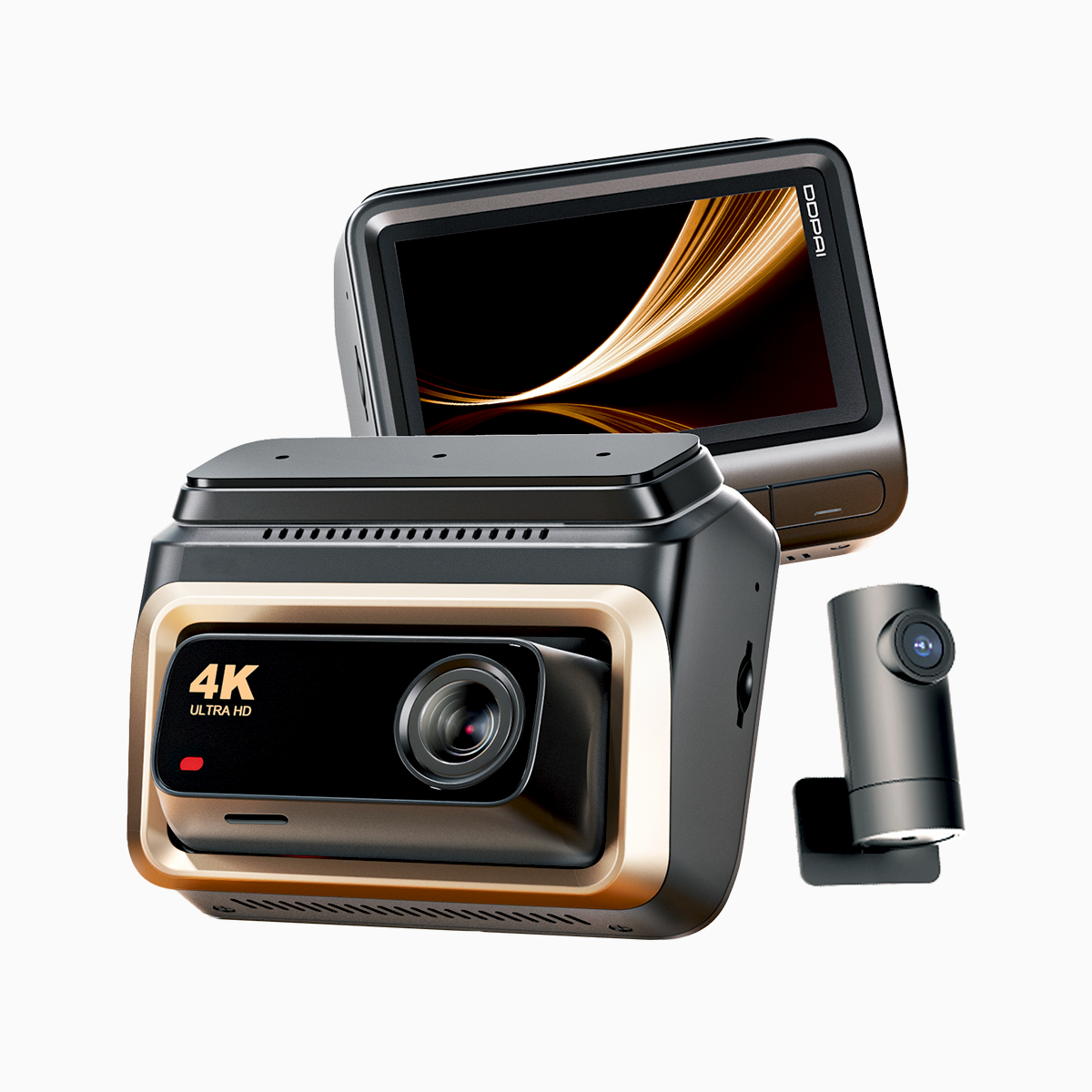
Direct comparison: front prompts versus rear prompts
Front-facing voice prompts are immediate and personal. They address the driver’s line of sight and are effective for lane-departure reminders and ADAS-linked alerts. Rear-facing prompts, by contrast, catch attention from a different vector — useful when passengers or cargo handling cause distraction. Use this quick comparison as your baseline:
– Front prompts: low latency, direct driver focus, best when tied to GPS and ADAS events. Ideal for correcting steering and speed errors.
– Rear prompts: broader situational awareness, useful for bus and shuttle fleets where passenger behavior matters. They complement front prompts when activities behind the driver create visual or cognitive distraction.
– Combined approach: synchronized prompts from front and rear reduce missed cues and cover blind spots; however, coordination is critical to avoid competing messages.
Design and integration: timing, volume, and content
Successful voice prompts require three coordination layers: sensor input, logic rules, and voice UX. Sensor input can include the dash cam video stream, GPS speed thresholds, and a G-sensor for harsh maneuvers. Logic rules decide when a prompt is warranted — for example, immediately after a phone-handling event captured on video or if the vehicle crosses a lane marker at speed. Voice UX must be short, neutral, and actionable; long messages create cognitive load and become background noise.
Latency matters. A system that delays a warning by several seconds loses its corrective power. Also consider audio mixing: prompts should be audible over cabin noise but not startling, which preserves trust. Hardware with higher frame rates and HDR improves detection accuracy, enabling smarter triggers.
Common implementation mistakes fleets should avoid
– Over-notification: too many prompts train drivers to ignore alerts. Configure thresholds conservatively.
– Generic messages: vague prompts fail to change behavior. Use specific language tied to the event — for instance, “Hands on wheel — maintain lane.”
– Poor placement and calibration: rear prompts must be routed so the driver perceives relevance. Misrouted alerts from passenger areas fragment attention.
– Neglecting privacy and policy: recording and voice interventions require clear fleet policies and driver briefing to maintain compliance and morale — this is operational, not optional.
Operational checklist for rollout
– Pilot with a representative vehicle set to collect real-world data on false positives and missed events.
– Tune sensors: adjust G-sensor thresholds, validate GPS geofencing, and verify HDR video quality for low-light scenarios.
– Train drivers: brief them on what each prompt means and how to respond. Reinforce positive outcomes with performance feedback.
– Monitor analytics: correlate prompt frequency with incident reduction to refine rules — metrics matter.
Three golden rules to evaluate systems and vendors
1) Precision over quantity: prioritize systems that demonstrate low false-positive rates in trials. A solution that reduces unnecessary prompts by 40–60% delivers better behavioral change.
2) Measurable outcomes: insist on baseline and follow-up metrics — prompt-to-incident ratio and minutes-of-distraction logged per 1,000 miles. Reliable vendors provide these analytics tied to GPS and time stamps.
3) Scalable integration: choose hardware and APIs compatible with existing telematics and fleet management platforms; seamless data flow prevents manual reconciliation and speeds intervention.
Deploying synchronized front and rear voice prompts is not a silver bullet, but it is a measurable step that reduces in-cab distractions and supports driver coaching. For fleets seeking a practical, tested solution, consider hardware and software that align with these rules — and remember that quality video, robust sensor fusion, and clear voice UX make the difference. DDPAI PH.
–