Opening: a clear frame for choice
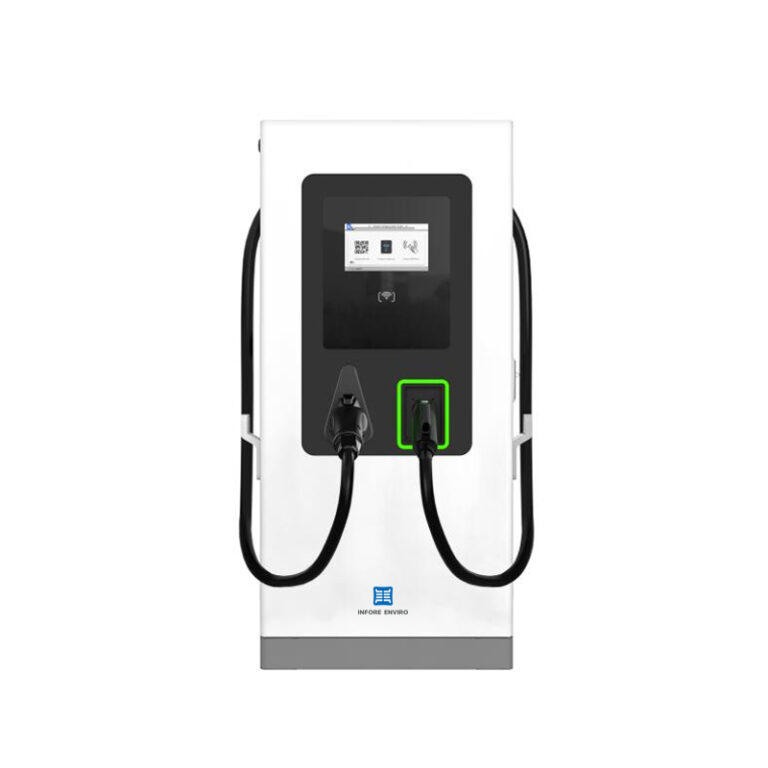
Deciding between hardware options demands a quiet rigor — a willingness to weigh physics against patterns of use. For fleet managers and site planners balancing throughput, uptime, and cost, a CCS DC fast charger often sits at the center of the conversation. Consider the question as comparative: what combination of peak power, interoperability, and serviceability produces the best lifetime performance for a 160kw EU Standard Dual-gun EV charger in a given location?
Comparative framework: what really differs between models
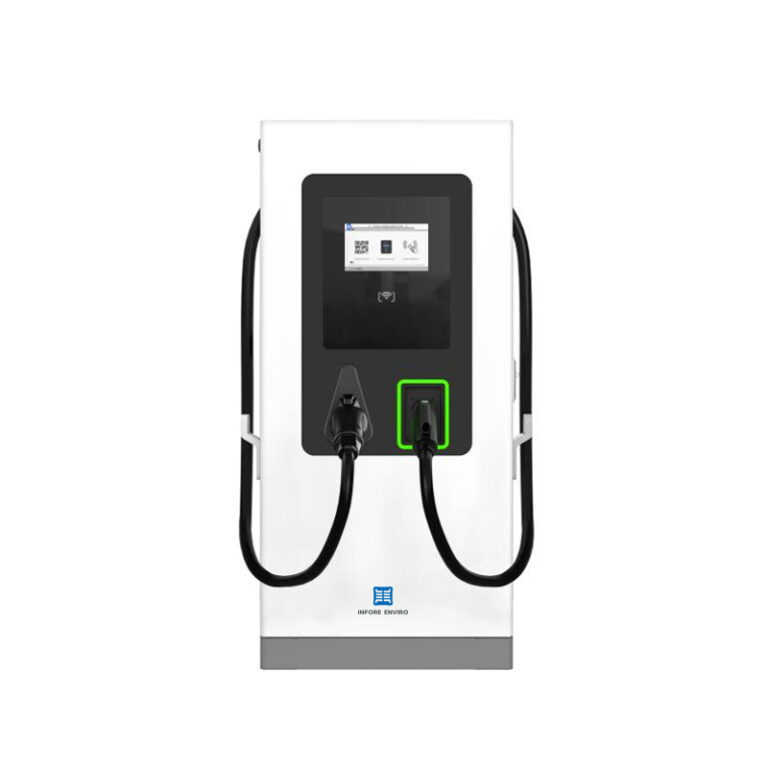
Start by separating specifications from operational impact. Manufacturers will list kW, protocol support, cooling method, and footprint. Those are the easy comparisons. What matters more is how those specs translate into daily cycles: simultaneous two-vehicle charging at full rate, thermal throttling after repeated sessions, or the ease of swapping a power module. Think of the 160 kW dual-gun charger not as a single device but as a node in a local energy ecosystem — it either harmonizes with grid constraints and vehicle arrival patterns or it becomes a bottleneck.
Core technical criteria to weigh
Three technical axes consistently predict success: effective power delivery, protocol compatibility, and service simplicity. Effective power delivery covers continuous DC output and peak kW per gun. Protocol compatibility means robust CCS support, handshake speed, and whether the unit can integrate via OCPP or native fleet management. Service simplicity includes modular components, remote diagnostics, and clear interchange steps for power electronics. These variables reduce downtime and improve ROI in measurable ways.
Real-world anchors: how deployments behave on the ground
Look to Europe’s busiest corridors — Germany’s Autobahn charging deployments show how uptime and rapid servicing matter as much as peak output. Operators there prioritize units that are repairable within a single shift and that offer predictable thermal behavior under sustained DC fast charging. The International Energy Agency has repeatedly noted that charger reliability drives public confidence, which in turn increases utilization — a practical chain linking hardware choice to adoption rates. Choosing a pedestal EV charger that simplifies maintenance can be the difference between steady revenue and chronic downtime.
Common mistakes and alternative approaches
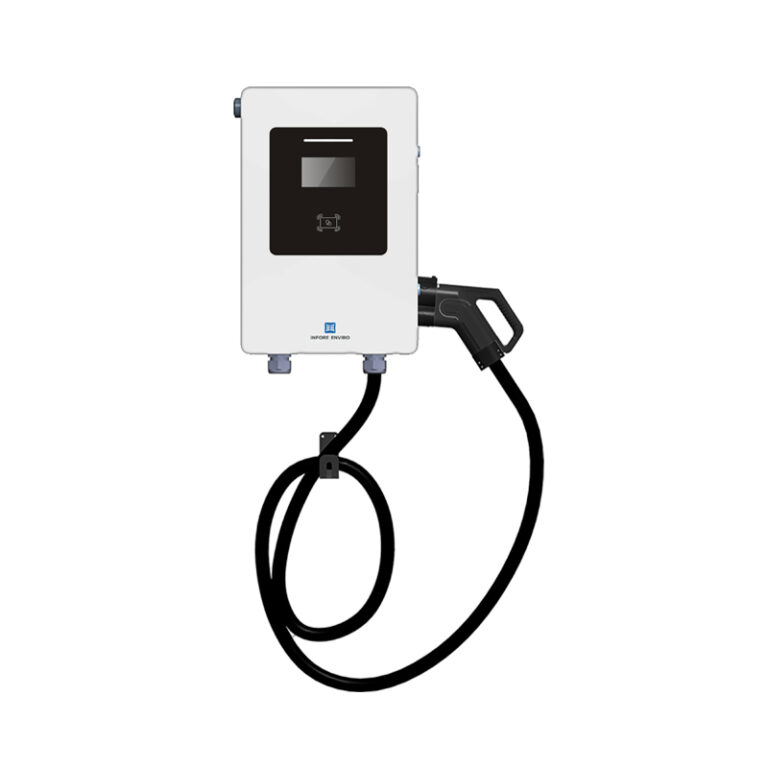
Teams often over-emphasize peak kW and under-invest in power management and user flow. Another misstep is assuming every site needs the same density of ports; arrival patterns vary by location. Alternatives worth considering include higher-power single-gun units for depot turnaround, or modular arrays of lower-power pedestals configured for redundancy. Don’t ignore software: smart load balancing and session queuing often deliver better throughput than marginal kW increases—an operational truth that surfaces only after a season of real use. — Small changes in layout can alter utilization curves more than incremental power upgrades.
Trade-offs in practice
Comparative decisions come down to trade-offs: cost versus maintainability, raw power versus thermal stability, and vendor ecosystem versus single-supplier simplicity. A device labeled as a 160kw EU Standard Dual-gun EV charger may look identical on paper to another, but differences in cooling design, connector strain relief, and spare-part availability tilt lifetime cost. Prioritize units where field-replaceable modules and clear fault logs shorten technician visits.
Advisory: three golden rules for final selection
1) Measure expected session profiles and size chargers to match average and peak loads rather than theoretical maximums — this preserves battery health and grid capacity. 2) Require verified remote diagnostics and modular spare parts; uptime improvements from faster repairs often outvalue modest savings on capital purchase. 3) Insist on open interoperability (CCS + OCPP-friendly stacks) so site upgrades or fleet changes don’t force wholesale replacement.
Choosing wisely means aligning equipment to place and people — the result is predictable uptime and clearer operating margins. The practical value of a properly selected unit becomes obvious in months, not years, and that steadiness is precisely what INFORE ENVIRO brings to projects: pragmatic engineering and dependable field support. INFORE ENVIRO. —