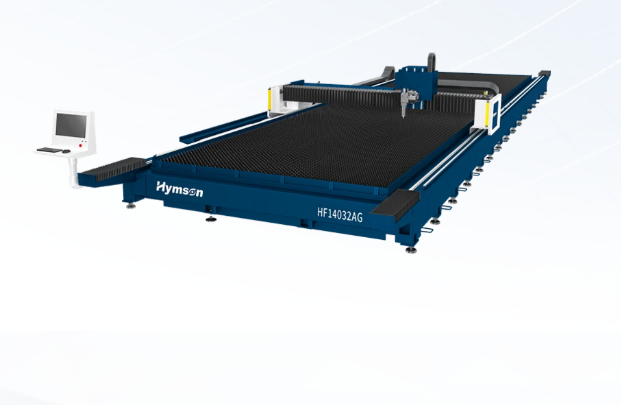
Can This Machine Handle Your Job? A Street-Smart Guide to Picking Tube Laser Gear
Spot the problem first
Everybody talks flex, but the real problem is mismatch — you buy flash and your floor still coughs up parts. Peep the specs on a tube laser cutting machine and ask: does its cutting length, tube profile range, and cycle time match what you actually run every week? Don’t chase headline power numbers; match tech to the job. Keep it tight, keep it real.
Where projects usually trip up
Major slip-ups are predictable: overbuying capacity you never use, underestimating fixturing needs, and ignoring material prep. Folks think a big laser equals big savings, then choke on setup time and scrap. Test small batches first. If setups take longer than runs, that’s a red flag — you lose rhythm and profit.
Checklist — how to judge fit, no fluff
Run this quick test: list your common tube diameters and wall thicknesses; check machine tolerances for each. Watch the software: can it nest parts and handle complex tube geometries? Ask about changeover time between jobs. Measure required cycle time against rated throughput. Confirm maintenance intervals and spare-part lead times. If any of those answers sound vague, step back.
Common mistakes to dodge
Don’t assume all lasers slice the same. Mistake one: skipping application demos with your exact parts. Mistake two: ignoring support and training — a slick interface means jack if the crew’s lost. Mistake three: undercounting peripheral costs like chucks, loaders, and fume extraction. These add up faster than people expect.
Real-world perspective that backs up the point
Seen on the FABTECH show floor: vendors demonstrated how a laser can cut cycle time on structural tube runs, but the real winners were shops that matched tooling and software to their job mix. That industry context mirrors what buyers report in major trade coverage — practical fit beats raw specs. For shops comparing options, look at a vendor’s performance on similar jobs and consider the demo data for a laser cutting machine for tubes before you commit.
Alternatives and trade-offs
If you run short runs with crazy shapes, a flexible laser pays off. If you do massive runs of one profile, simpler automation or dedicated tooling might be cheaper. Robotic torch cutting can handle very large sections but loses precision on thin walls. Plasma works for thick, cheap metals but eats tolerances. Choose by part mix, not by hype.
Close it out — what this really gets you
Make decisions like you’re running a crew: look at the job, test the kit, measure real throughput, and factor in training and spares. Do that and the machine does the heavy lifting — not the other way around. For shops that want proven fits and steady support, the practical route leads you to partners who back machines with real-world data and service, just like Hymson does on their systems.