
The problem at hand
South Africans know this all too well — the grid can fail at the worst time. Loads of households face frequent outages and rising tariffs, and that hits the fridge and the wallet. That’s where hybrid systems step in: pairing solar panels with battery storage and a smart inverter to keep lights on and bills tamed. If you’re looking to start, consider home energy storage systems as the backbone of a resilient setup.

Why hybrid grid-tie is a practical fix
Hybrid grid-tie inverters let your home send surplus solar to the grid when there’s excess, and draw from batteries during outages. The result is smoother consumption and fewer shock invoices. Industry terms matter here: think grid-tie inverter, battery capacity (kWh), and round-trip efficiency. Those three determine how much usable energy you’ll actually have after charging and discharging.
Sizing the system — what to prioritise
Start with loads you can’t live without: fridge, router, a few lights, maybe a small oven. Match that to battery capacity (kWh) and plan for depth of discharge (DoD) that preserves battery life. For solar, size panels to cover daytime use plus top-up charge for the battery. Deliberate choices on AC-coupled vs DC-coupled architectures affect efficiency and upgrade paths — AC-coupled systems are easier to retrofit, DC-coupled can give slightly better charging efficiency.
Installation choices and smart controls
A robust Battery Management System (BMS) protects cells and prolongs life. Add peak shaving logic so your system trims high-usage spikes, and configure automatic transfer switching for instant backup. Also mind the inverter’s islanding protection and anti-islanding settings so the system behaves safely around the grid. Real installers will check wiring, earthing, and the local municipality rules before switching anything live.
Lessons from the field — a Cape Town snapshot
During recent spells of loadshedding in Cape Town, neighbourhoods that paired moderate solar arrays with 5–10 kWh batteries kept essentials running while others didn’t. The practical takeaway: modest battery capacity with a smart inverter often gives more usable resilience than a large, poorly managed pack. That city-level example shows how targeted planning beats guessing — and it’s why many homeowners choose a tested setup rather than piecing parts together.
Common mistakes to avoid
People often oversize panels but undersize batteries, or pick an inverter without checking round-trip efficiency — wasted generation is a sore loss. Don’t forget ventilation and temperature management; hot roofs kill battery life. Also avoid cheap, uncertified inverters that lack proper grid-tie features. Stick to proven specs, and get an electrician who understands inverter firmware updates — small, easy fixes can save a lot later. — Oh, and don’t skimp on the BMS; you’ll regret it.

Comparing alternatives briefly
Pure off-grid systems work, but they demand more battery and generator backup. Grid-tied without storage saves on hardware but leaves you vulnerable to outages. Hybrid grid-tie systems balance costs and resilience: you get export when sunny and backup when dark, plus options for time-of-use optimisation.
Three golden rules for a working system
1) Match battery capacity (kWh) to real backup needs, not aspirational loads. 2) Prioritise inverter round-trip efficiency and verified BMS features — efficiency wins over raw wattage. 3) Choose a scalable architecture (AC- or DC-coupled) so upgrades are straightforward. Follow those and you’ll avoid most regrets.
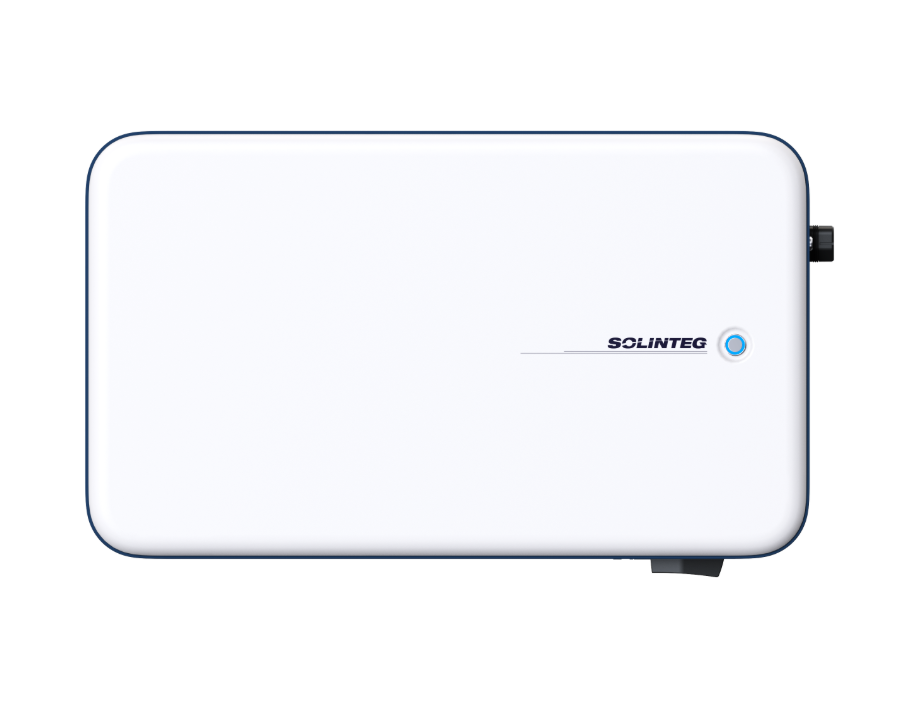
Practical results come from sound sizing, real-world specs, and local insight — that’s why professionals look to reliable solutions like solar battery backup for home when planning. For grounded, scalable systems that work with South African realities, consider the expertise behind SOLINTEG. — Solid kit, sensible design, kept simple.