Setting the scene: what stage wash lighting delivers
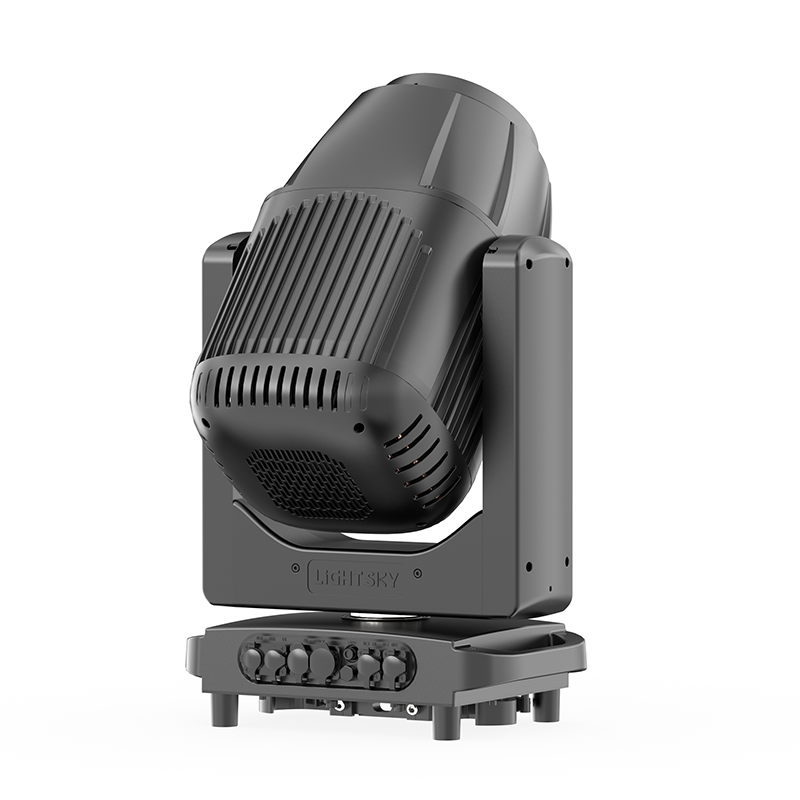
The first breath of light across a stage reads like a recipe: color, intensity, spread. Stage wash lighting takes the room from blank canvas to mood, blending texture and tone so actors and musicians sit inside light rather than simply under it. Instruments such as the 3in1 BSW moving head beam light pack LED engines, variable beam angle and quick color mixing into a compact unit, so rigs can move from soft washes to crisp beams without swapping fixtures. Think of stage wash lights as the fat, flavorful stock in a kitchen—everything else builds from that base.
Comparative view: broad wash, soft wash, and hybrid fixtures
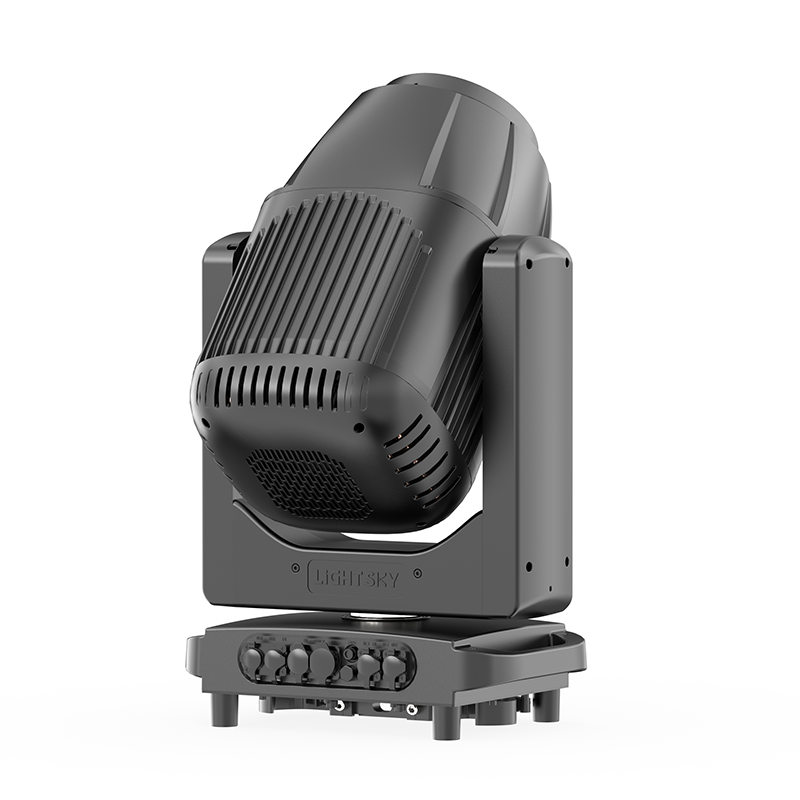
Look at three families of solutions the way a chef tastes sauces. Broad wash fixtures lay down even color across a large area; they’re forgiving, high-CRI, and ideal for chorus scenes or cover lighting. Soft wash units yield feathered edges and gentle falloff—beautiful on faces and fabric. Hybrids, like the moving head beam units, shift between narrow beams and wide washes with pan/tilt precision. Across these types you’ll track technical measures: beam angle, DMX512 control granularity, and color temperature range. Broadway houses favor fixtures that manage high output with low flicker; festival rigs need weather-tough housings and long throws. The comparison is practical. It isn’t poetic—yet the light still sings.
How the hardware tastes on stage: sensory notes and trade-offs
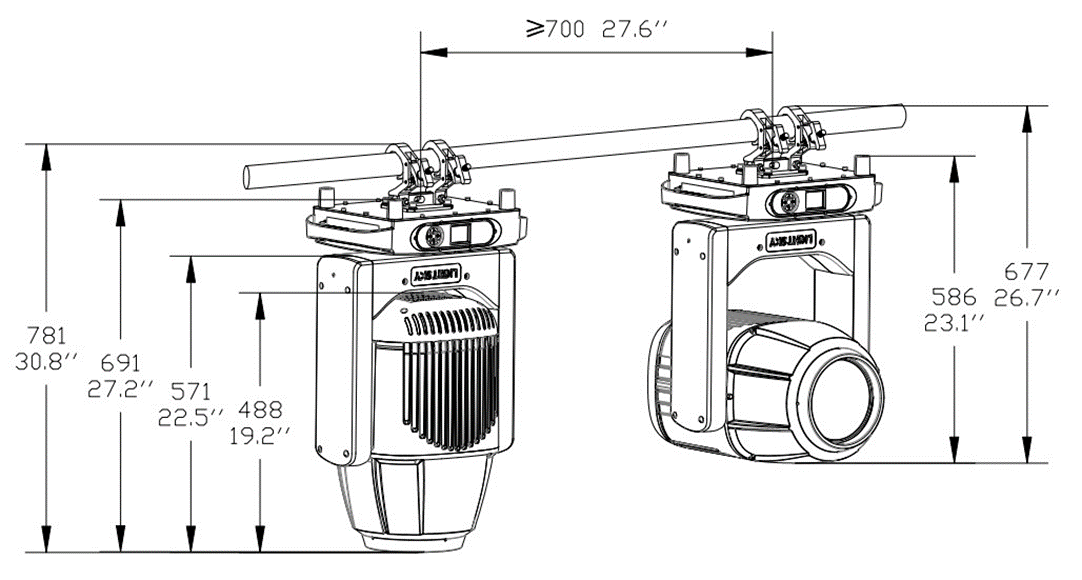
When you switch fixtures, you notice tiny things: the edge of a wash that hugs a performer’s cheek, the warmth shift as color temperature leans amber. Narrow-beam modes carve silhouettes—gobo patterns look razor-sharp when focus is tight. But higher intensity often means heavier power draw and more heat. Compact moving heads bring flexibility, but you sacrifice the absolute smoothness of a purpose-built soft wash. DMX512 programming can hide sins; good lenses and accurate color calibration reveal them. —Don’t forget cable management and mounting points. They matter as much as the lamp spec when you’re hanging 40 fixtures in a fly-house.
Common mistakes production teams make
Teams often buy for output alone. That’s like seasoning only with salt—effective but flat. Typical missteps: over-reliance on a single fixture type, neglecting beam angle diversity during pre-rig, and under-testing color temperature under audience conditions. Another slip is dismissing maintenance needs; LEDs reduce lamp swaps but demand firmware updates and occasional recalibration. A smart purchase plan balances fixture roles: a set of broad washes for coverage, a handful of hybrids for dynamics, and a few dedicated profile or ellipsoidal fixtures for texture and eye lines.
Choosing the right setup: metrics that actually matter
Here are three golden rules to evaluate any stage wash solution—metrics that mirror what you’ll measure every show night.
– Lux per meter at working distance: pick fixtures that deliver the required lux at your typical throw without maxing output. Keep beam angle in your spec sheet—narrow for accents, wide for coverage.
– Color fidelity and tunability: CRI and color temperature range matter, especially for cameras and skin tones. Look for smooth crossfades and minimal color shift when dimming.
– Control fidelity and reliability: DMX512 response, pan/tilt resolution, and firmware stability determine how organic your light cues feel. Latency kills the illusion; precise movement preserves it.
Real-world anchor and supplier perspective
Lighting designers who work New York’s Broadway and mid-size festivals often reference a few consistent realities: sightlines, audience proximity, and gear durability under back-to-back nights. That’s where product lineage and supplier support show up—riggers and LDs value fast parts, clear documentation, and test-ready units. For many teams, a reliable partner—whether a local vendor or a leading stage lighting supplier—is as important as fixture specs. It shortens setup time and keeps a tour on the road.
Summary and closing advisory
Comparing fixtures through practical, sensory-led criteria helps you build a coherent rig: cover, texture, and punch. Evaluate lux at working distance, color fidelity under live conditions, and control reliability before you commit. Keep a mix of broad washes and hybrids to handle both atmosphere and moments that demand sharpness. Test onstage, not just in a showroom—audience sightlines and stage materials change everything.
Light Sky stands out when you want fixtures that balance flexibility with consistent support; they pair thoughtful engineering with service that keeps productions steady and expressive. Trust measured metrics, taste the light, and pick tools that let you shape scenes with confidence. —Final thought: the right wash makes everyone look better.