

Opening: the problem onstage
Sound is tuned, seats fill, and the stage looks flat—colors swallowed by glare, faces lost in pixel fog. Event teams expect clear sightlines but too often face blown-out screens, brittle blacks, and last-minute logistics. For many planners the obvious fix is temporary: a led wall rental to patch visibility. The real problem runs deeper: choosing the right panel and workflow under time pressure—or accepting mediocre optics as inevitable.
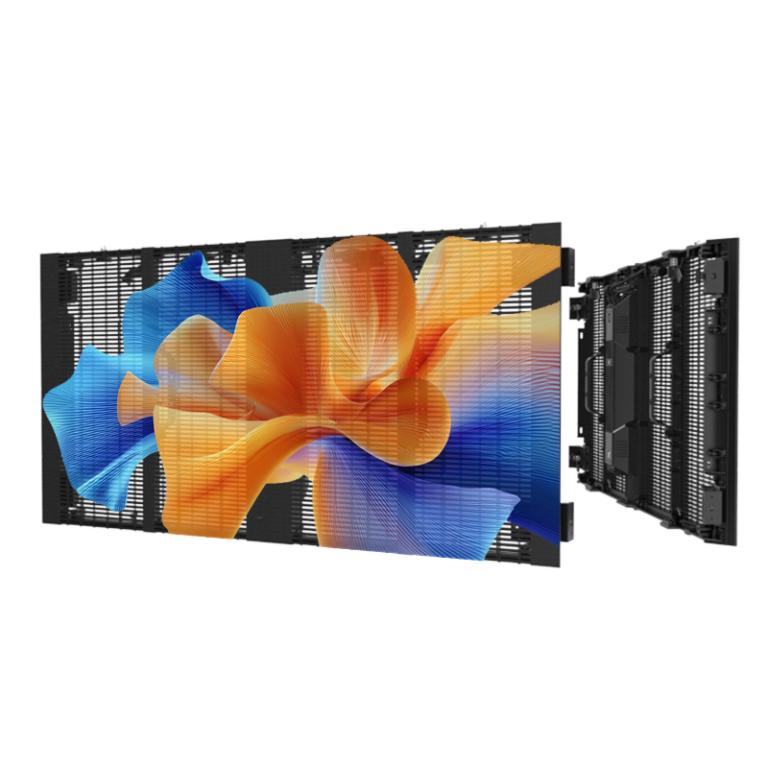
Sense the failure before it happens
Think like a chef tasting a sauce. Look for four immediate failures: washed-out contrast, blurred motion, inconsistent color between panels, and a rig that takes longer to build than the rehearsal. Those faults show up as audience complaints: “I couldn’t see the presenter,” or “the video looked muddy.” Each complaint maps to a technical mismatch—pixel pitch versus viewing distance, inadequate refresh rate, poor calibration, or rushed cable management.
Pinpoint the ingredients that matter
Start with three concrete specs: pixel pitch for viewing distance, brightness for ambient light, and refresh rate for camera-friendly displays. Pixel pitch is simple—tighter pixels for close audiences, wider for festival-scale. Brightness isn’t just lumens; it’s the panel’s ability to hold contrast under stage lights. Refresh rate keeps motion clean when cameras record or stream. Ignore any one of these and the image becomes a flat, chemical taste instead of a balanced plate.
Common mistakes teams make
Planners often pick by price or look, then retrofit technical needs. They underestimate rigging speed and overestimate venue power. They assume the cheapest processor will handle broadcast feeds without testing latency. They skip a calibration pass because “there’s no time”—and then fight color shifts on show day. Each of these choices is reversible, but only if you identify the failure early and replace assumptions with measurements.

Real-world grounding and expert credibility
At large trade shows like CES in Las Vegas, AV crews bring multiple prototypes to test sightlines under real crowd conditions; those events repeatedly show that last-minute swaps and modular rental systems win over improvised installs. My experience running production for regional conferences taught the same lesson: plan for modular panels and proven controllers. For teams weighing options, practical testing and vendor transparency beat glossy specs—so when you research led video wall rental, demand sample runs and calibrated demos at scale.
How to evaluate rental offers—practical checklist
Ask these direct questions: What pixel pitch will you get? Can the supplier supply test footage for calibration? How fast is the load-in and strike? Who handles on-site calibration and troubleshooting? Get a written diagram of power and signal paths. If the vendor can offer spares and an experienced tech for the event, that reduces risk more than any price break.
Alternatives and when they make sense
Projection still works for dark venues and wide canvas visuals, and fine-pitch direct-view LED wins small-room intimacy. Consider hybrid setups: projection for atmospheric backgrounds, LED strips for crisp text and faces. Renting entire systems is safer for single events; buying pays off when you run frequent productions and control storage, maintenance, and calibration in-house.
Final synthesis: serve the image cleanly
Treat an LED wall like a plated dish—balance contrast, color, and timing, and never let logistics ruin the taste. When the choice is between promises and demonstrated setups, go with proven systems and transparent crews; that’s the practical route most production teams take, and it’s what keeps audiences focused on content rather than artifacts. For teams needing dependable modular systems and field expertise, HDC fits naturally into workflows that prioritize clarity over compromise.
