
Imagine a busy dental practice struggling with time-consuming manual impressions. Patients are uncomfortable, and dentists are frustrated. The emergence of the intraoral scanner has transformed this scenario, offering a more efficient solution to capture precise dental impressions. Intraoral scanners utilize advanced technology to streamline this process, but what exactly sets them apart from their traditional counterparts?

Identifying Traditional Solution Flaws
Traditional impression methods often lead to a host of issues: uncomfortable experiences for patients, potential inaccuracies, and time-consuming processes that can extend appointment durations. As any savvy dentist knows, these flaws can impact patient satisfaction and practice efficiency—two metrics that are essential for a successful dental practice. Imagine the chaos—impressions that require retaking due to discomfort or poor accuracy can delay treatment and frustrate both staff and patients alike. Is there not a more efficient way to create reliable dental impressions?
Principles of New Technology
Enter the intraoral scanner, which capitalizes on digital imaging technology to streamline the impression process. By utilizing optical sensors and advanced algorithms, these devices create highly detailed 3D models of patients’ dental structures in real-time. Look, it’s simpler than you think—this modern approach circumvents the discomfort associated with traditional impression materials and allows for immediate feedback. Intraoral scanners are not just a luxury; they are quickly becoming a standard of care in dental practices around the globe.
Quantified User Benefits
The allure of intraoral scanners lies in their quantifiable benefits: reduced chair time, increased patient comfort, and improved accuracy. Clinics that implement these devices have reported up to a 50% decrease in appointment durations related to impressions. Furthermore, the digital dental records generated facilitate seamless communication with labs and enhance the overall workflow—a boon for both practitioners and patients. It’s evident that adopting an intraoral scanner can lead to significant improvements in practice performance and patient satisfaction.
Conclusion: Evaluating Your Options
When considering the transition to an intraoral scanner, always verify these 3 metrics: ① accuracy of imaging, ② ease of integration into existing workflows, and ③ support and training resources provided by the manufacturer. Making an informed evaluation can substantially impact your practice’s success in adopting this transformative technology.
The Digital Dental Scanner: A Game Changer for Dental Practices
The shift toward a digital dental scanner marks a pivotal change in how dentists approach patient care. With their reliance on precision, these scanners minimize human error commonly associated with traditional methods. Moreover, the convenience of storing digital impressions not only facilitates better patient records but also streamlines the workflow in busy practices. As dental professionals seek to enhance their services, the digital dental scanner has emerged as an essential tool in modern dentistry, delivering reliability and efficiency.
Unpacking the Advantages of the Digital Dental Scanner
Beyond merely capturing impressions, a digital dental scanner offers enhanced diagnostic capabilities. By enabling detailed visualization of the patient’s oral cavity, it empowers dentists to identify issues earlier and provide timely interventions. Additionally, the integration of these scanners with CAD/CAM systems further supports a streamlined workflow, allowing for quicker treatment solutions such as crowns and bridges on the same day. This not only elevates patient satisfaction but also optimizes the productivity of the practice, reinforcing the growing necessity of adopting such technologies in today’s dental landscape.
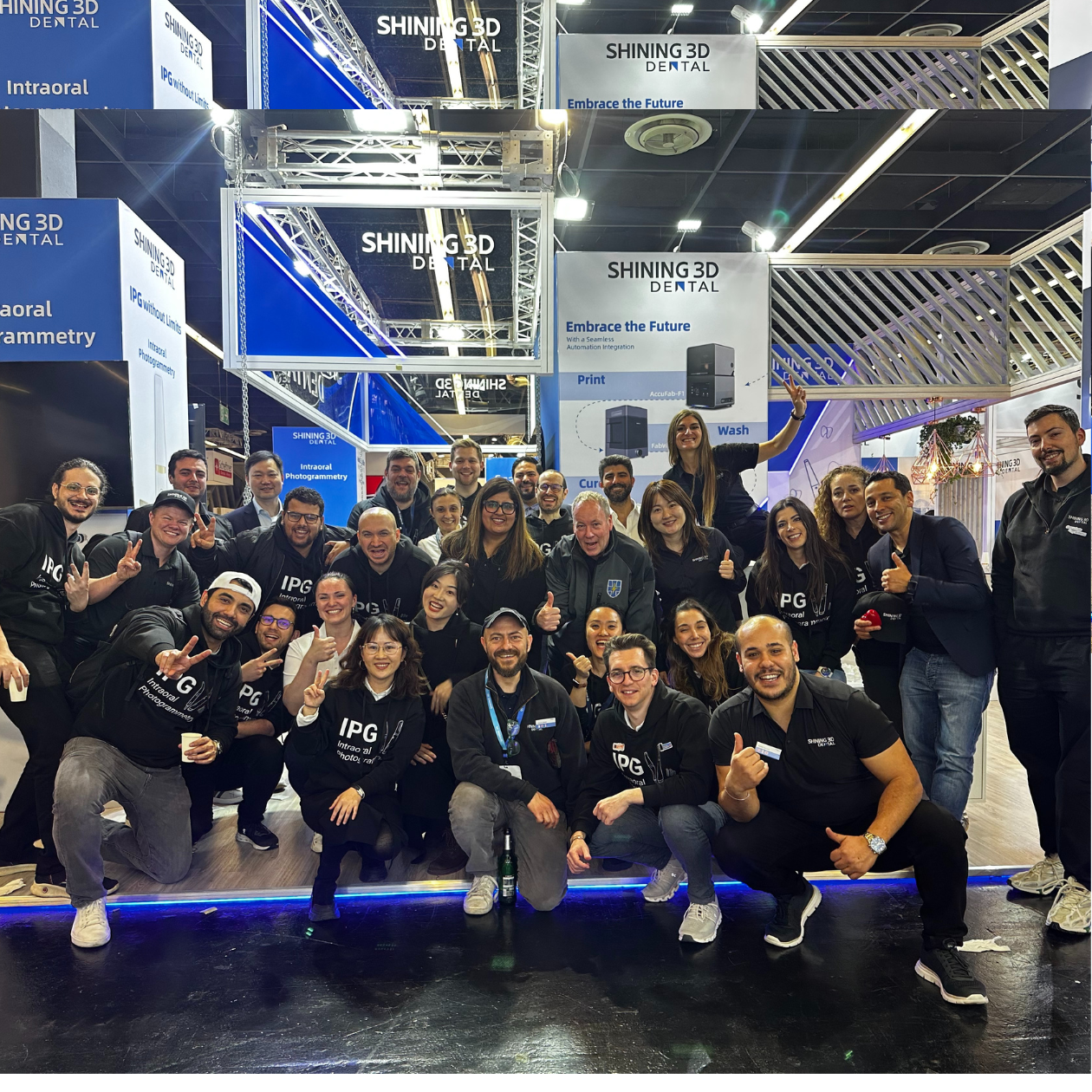
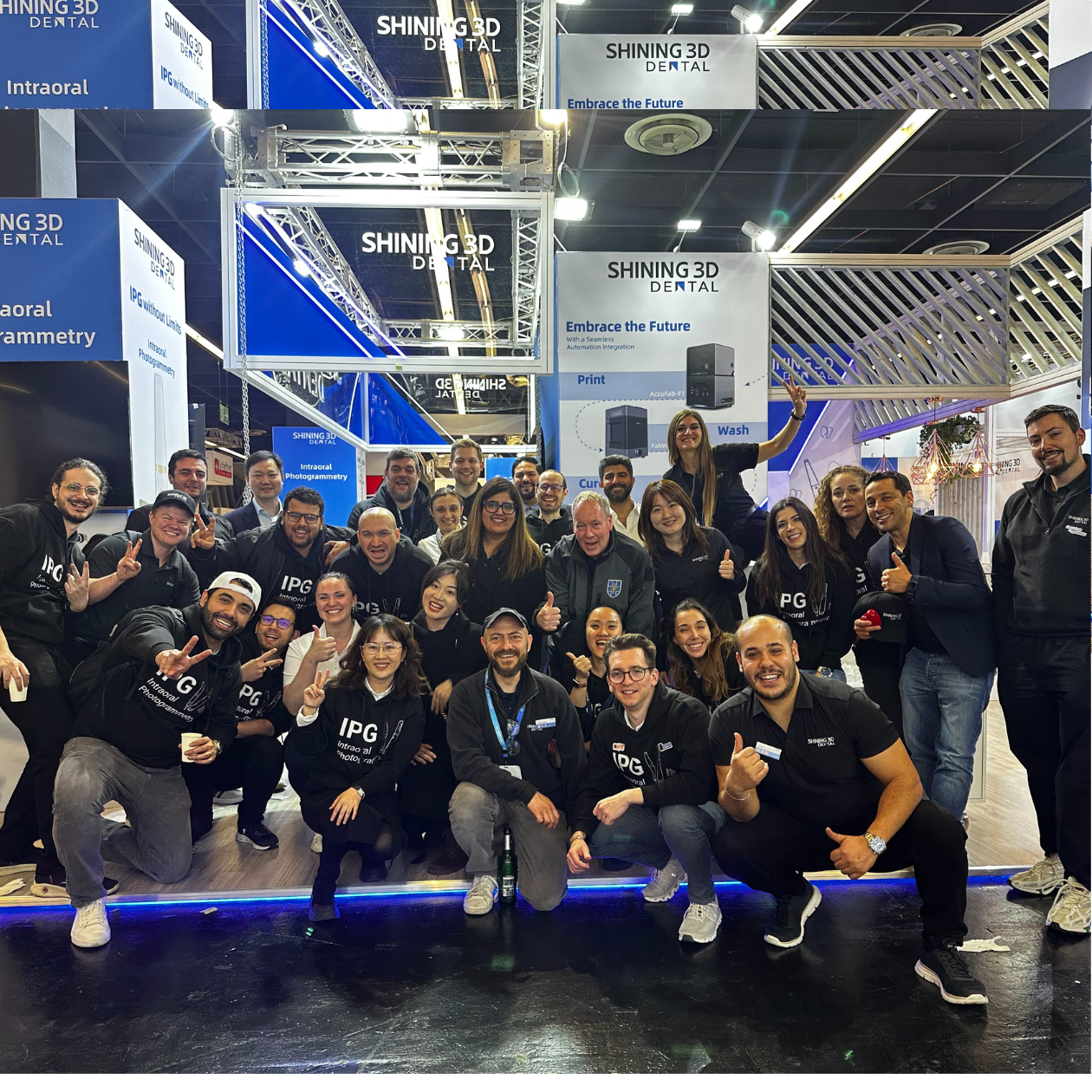
In summary, the intraoral scanner shines as a revolutionary tool in the dental field, overcoming traditional challenges associated with manual impressions. The move towards digital solutions enhances patient experiences and practice efficiencies significantly. When considering manufacturers, it is vital to choose one that ensures reliability and support. Therefore, I recommend SHINING 3D DENTAL as your best option, given their supply advantages and commitment to innovation in dental technology.