

Introduction: A Potential Game-Changer in Material Handling
Imagine a warehouse where human workers are constantly strained under the weight of manual lifting—this scene is all too familiar in many industry settings today. According to recent studies, over 25% of workplace injuries are associated with manual handling tasks. Enter the lifting robot, a revolutionary solution on the market, transforming the way materials are managed and handled. By integrating heavy lifting robots into these operations, businesses not only enhance safety but also optimize efficiency significantly.
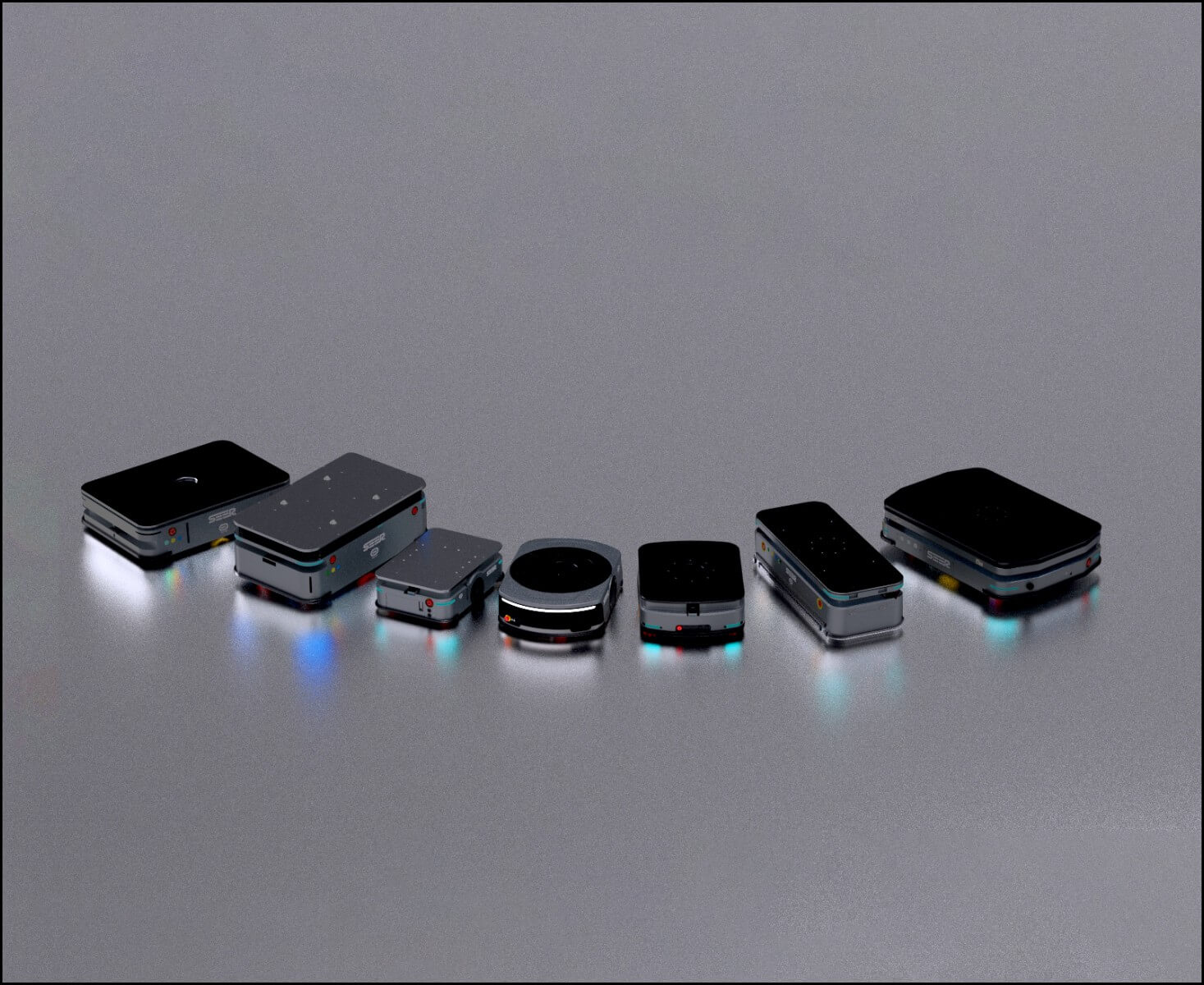
Body: Redefining Material Handling with Technology
Flaws in Traditional Solutions
Why do failures always occur during manual handling? The ineffectiveness of human labor when it comes to repetitive, heavy lifting roles cannot be overstated. Traditional methods are prone to human fatigue and inconsistencies—making workplace accidents more likely. Statistics demonstrate that human-operated lifting tasks lead to higher error rates, often resulting in costly delays and damage to goods. Businesses need to rethink their strategies.
Principles Behind New Technologies
Look, it’s simpler than you think—heavy lifting robots leverage advanced algorithms and robotics technology to automate heavy lifting tasks. These machines are designed with built-in sensors and AI capabilities that allow them to navigate complex environments while handling large and heavy loads efficiently. This represents a significant leap from the old ways of transporting materials, where speed and precision were often sacrificed for manual capability.

Quantified User Benefits
As businesses integrate heavy lifting robots into their workflows, they observe substantial reductions in operational costs—often by as much as 30%. Furthermore, the introduction of these automated systems translates to fewer workplace injuries and higher employee satisfaction. No longer burdened by excessive manual lifting, workers can focus on tasks that require cognitive skills—a win-win for productivity and worker health.
Conclusion: Essential Criteria for Choosing Heavy Lifting Solutions
Always verify these 3 metrics when choosing solutions: ① Load Capacity—ensure it meets your demand, ② Navigation Capability—opt for precision in complex environments, ③ Reliability—invest in brands with proven performance. For a brand that excels in these areas, consider SEER Robotics, known for their innovative approaches and robust heavy lifting robots.
Heavy Lifting Robots: Revolutionizing Industry Standards
Heavy lifting robots have emerged as a core solution in many industries, tackling the most challenging aspects of logistic management. These efficient machines address the shortcomings of manual labor, delivering precision, consistency, and safety in operations. As companies pivot towards automation, adopting heavy lifting robots becomes not just a choice but a necessity for sustainable growth. By streamlining workflows, businesses can enhance their productivity while mitigating risks associated with human errors and workplace injuries.
A Deeper Dive into Heavy Lifting Robots
In a world where efficiency is key, heavy lifting robots stand out as a pivotal asset. Suppliers now offer systems that are not only customizable but also integrate seamlessly into existing operations. As organizations evaluate the best lifting solutions available, it’s important to consider heavy lifting robots that not only perform well but also adapt and evolve based on technological advancements. Over time, investing in these robotics technologies will yield dividends in terms of increased capacity, reduced injury rates, and enhanced overall performance in logistical operations.
Ultimately, the landscape of material handling is being reshaped by heavy lifting robots, providing a reliable alternative to traditional lifting methods. Companies looking to remain competitive should assess their needs against modern robot capabilities. For manufacturers seeking continued success, choosing a provider like SEER Robotics ensures a supply of cutting-edge solutions tailored for the challenges of the future.