Quick comparative lead
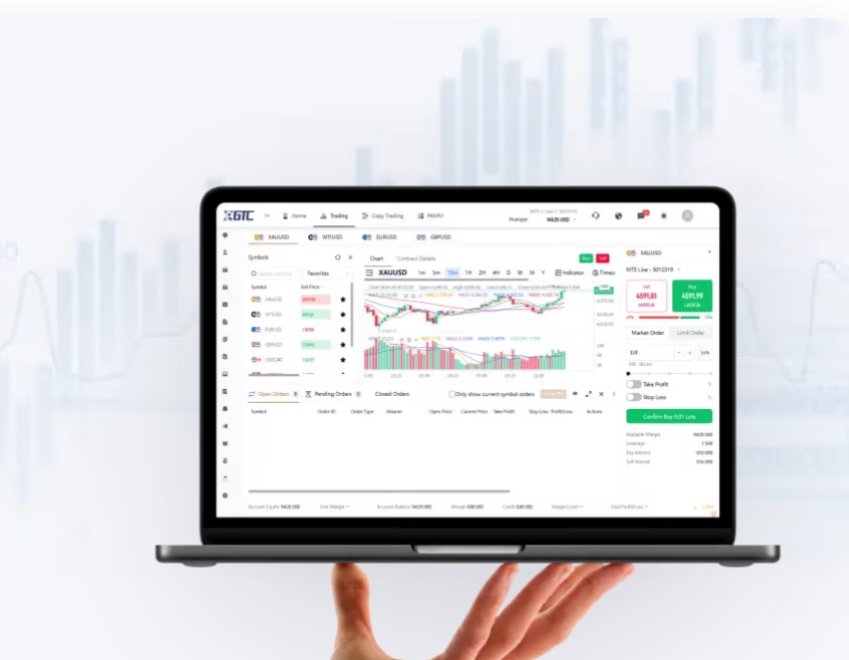
Commodity CFDs diverge in behavior from stocks and forex, and a practical comparison highlights where opportunity meets risk — start with how platforms price futures vs spot exposure. Market structure, execution speed, and fees matter when you trade an index cfd that tracks energy or metals rather than a single contract. Traders looking at oil, gold, and agricultural CFDs need straightforward signals on spread, leverage and liquidity so they can pick the right market and the right provider.
Three trends separating winners from laggards
First, volatility regimes have become more segmented. Energy markets still show sudden spikes after supply shocks; the April 2020 WTI crude price event remains a clear anchor for how fast volatility can shift. Second, margin models have tightened on some platforms, forcing active management of margin and position sizing. Third, execution quality and fee structures—tight spreads versus commission models—are increasingly decisive for short-term strategies. These trends affect hedging, shorting and carry trades differently across commodities.
Platform features that actually matter
When comparing providers, focus on three concrete attributes: execution latency, transparent spreads, and rollover handling for contracts. Execution latency affects slippage on market orders; transparent spreads reduce hidden cost; proper rollover treatment prevents unexpected gains or losses when futures switch. Aligning those attributes with your risk tolerance and trading horizon usually beats chasing fancy charting tools.
How to adapt trading style — practical moves
For swing traders, reduce leverage and size positions to account for sudden volatility spikes. Day traders should prioritize low-latency routing and tight spreads. Longer-term commodity exposure often benefits from defined hedging rules rather than ad hoc positions. — It’s the small, repeatable rules that keep performance steady over time.
Common mistakes and viable alternatives
Many traders over-rely on leverage and ignore funding costs and rollover effects; that combination erodes returns. Another recurring error is treating all commodities the same: gold often behaves as a liquidity and safe-haven play, while oil reacts to logistical and geopolitical flows. If a full direct commodity futures account is too complex, CFD providers can be an alternative—offering synthetically similar exposure with lower initial margin—but check execution and counterparty transparency first. For broader exposure across markets, consider blended index products or baskets that simplify rebalancing while preserving diversification for cfd indices trading strategies.
Practical checklist before placing a trade
– Verify real-time spreads and historical fill quality on the product you’ll trade.
– Confirm margin rules and how margin calls are handled during sharp moves.
– Assess liquidity depth near typical order sizes so slippage stays predictable.
Three golden rules for evaluation
1) Execution cost metric: measure average slippage plus spread over your preferred time window; that total cost must fit your edge. 2) Reliability metric: uptime and daily latency percentiles during known stress events (use April 2020 and similar episodes as benchmarks). 3) Risk-control metric: margin call frequency and worst-case liquidation scenarios at your typical leverage. These metrics let you compare providers on what truly changes P&L.
For practical, low-friction access to tight spreads and consistent execution, weigh how GTCFX matches those three measures based on your strategy. — steady hand.