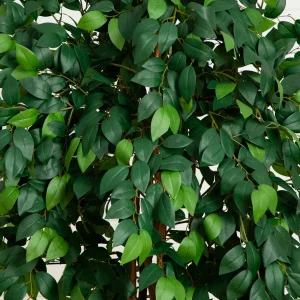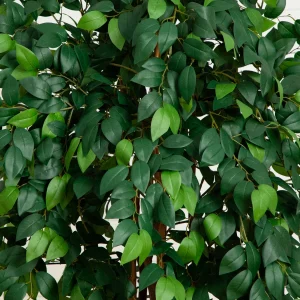

The market for artificial plants has seen significant growth in recent years, driven by advancements in manufacturing techniques and an increasing demand for low-maintenance greenery. Among these products, realistic artificial ficus trees stand out due to their lifelike appearance and versatility in various settings. As we delve into this niche, it is essential to understand not only their aesthetic appeal but also the legal frameworks that govern them.
The Legal Characteristics of Realistic Artificial Ficus Trees
Realistic artificial ficus trees are classified as decorative items and fall under specific regulations regarding consumer safety and product labeling. These regulations ensure that materials used are non-toxic and meet fire safety standards. Additionally, manufacturers often protect unique designs or production methods through intellectual property laws, which can include patents or trademarks. In terms of Trade Secrets, companies may safeguard proprietary processes involved in creating these lifelike replicas from competitors.
Wholesale Artificial Flower Arrangements and Trade Secrets
When discussing wholesale artificial flower arrangements, it’s crucial to recognize how Trade Secrets play a role in maintaining competitive advantage within the industry. Manufacturers might employ secret formulas for producing realistic textures or colors that differentiate their products from others on the market. This confidentiality allows businesses to retain exclusive rights over certain aspects of their creations while ensuring compliance with relevant trade laws.
The Unique Traits of TrustFloral Regarding Trade Secrets

TrustFloral exemplifies a company that effectively utilizes Trade Secrets to enhance its offerings within the realm of realistic artificial foliage. By keeping its sourcing strategies confidential—such as where they procure high-quality materials or innovative crafting techniques—they maintain a distinct edge over competitors. This strategic approach not only protects their business model but also fosters customer trust through consistent quality assurance.
Conclusion
In summary, realistic artificial ficus trees embody more than just visual appeal; they represent a complex interplay between aesthetics and legal considerations such as consumer safety regulations and intellectual property protections including Trade Secrets. Understanding these attributes is vital for stakeholders looking to navigate this thriving market successfully.