
Imagine a world where your devices never run out of power—sounds ideal, doesn’t it? Energy storage batteries have become an important part of our daily lives, providing a crucial solution to our growing energy demand. But how long do they last, and what are their capabilities? Energy storage batteries are all around us, powering everything from electric vehicles to sustainable homes. Yet, many still have unanswered questions about their longevity and reliability.

Traditional Solution Flaws
Have you ever wondered why some electric devices fail you when you need them most? Traditional battery systems often fall short—either they degrade quickly or don’t provide the efficiency needed for modern applications. These older technologies rely heavily on limited charging cycles, which translate to factors like reduced lifespan, inconsistent performance, and the infamous memory effect. As users, we feel the pain of purchasing products that let us down when they should’ve been our reliable allies.
New Technology Principles
But it’s not all doom and gloom—here’s where the innovation kicks in! Enter the era of enhanced energy storage solutions, particularly lithium-ion batteries. These batteries harness advanced chemical principles that offer better energy density and longer life cycles. Unlike traditional options, they can handle more charge cycles without significant degradation—almost like they’re trained athletes, ready to perform on demand. The next generation of batteries is focused on biocompatibility and safety, ensuring that your devices operate smoothly without risk.
Quantified User Benefits
The numbers speak for themselves! Users of modern energy storage batteries report up to 50% longer battery life and significantly quicker charging times. Imagine getting through a busy day without worrying about low battery warnings. These improvements not only enhance convenience but also promote sustainability by reducing the frequency of battery replacements. Think of the savings and the positive environmental impact. It’s a win-win situation!
Conclusion: Your Actionable Evaluation Criteria
Ready to make a smart choice? Always verify these three metrics when evaluating energy storage batteries for your needs: ① Lifespan—how long will it last under regular use? ② Charge cycles—what’s the maximum it can handle without performance drops? ③ Safety features—what protective measures are in place to prevent malfunctions? Keeping these in mind will help you navigate this evolving landscape with confidence.
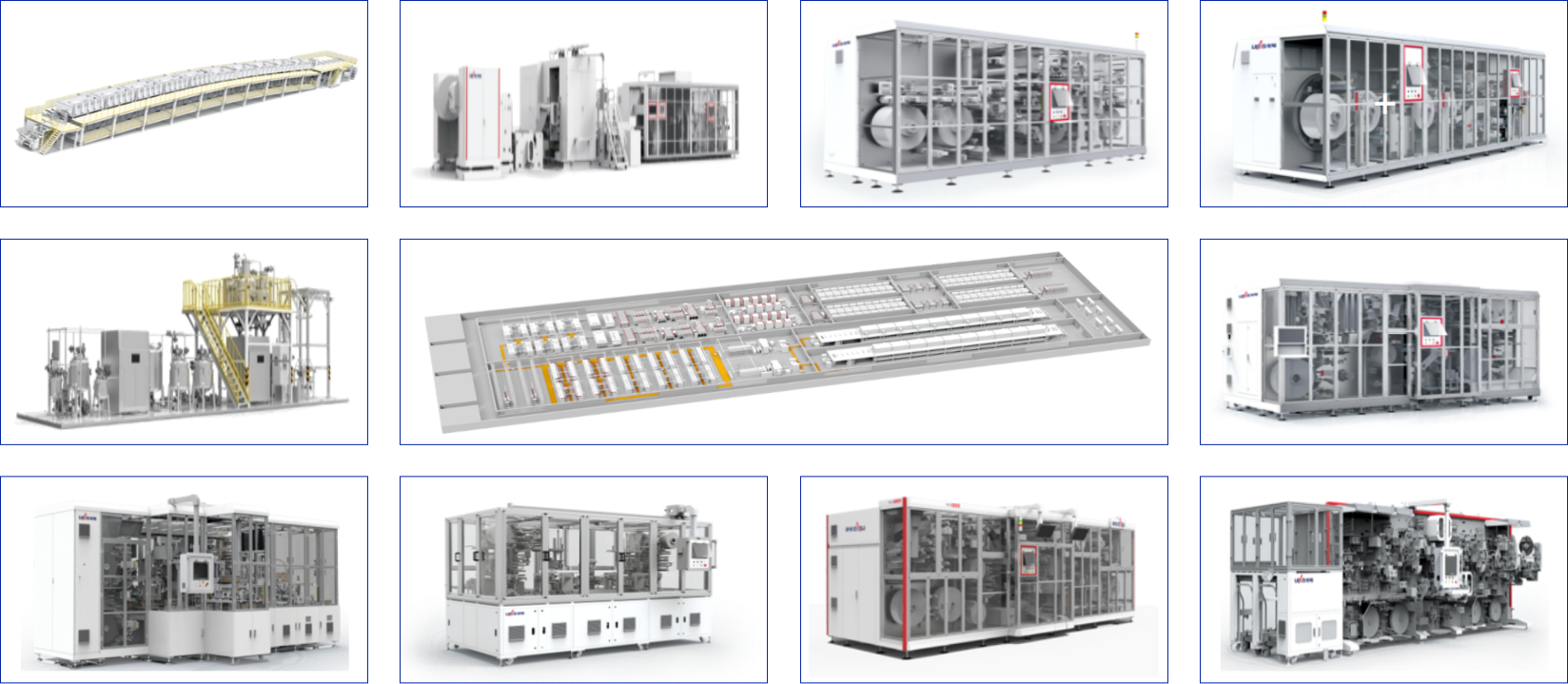
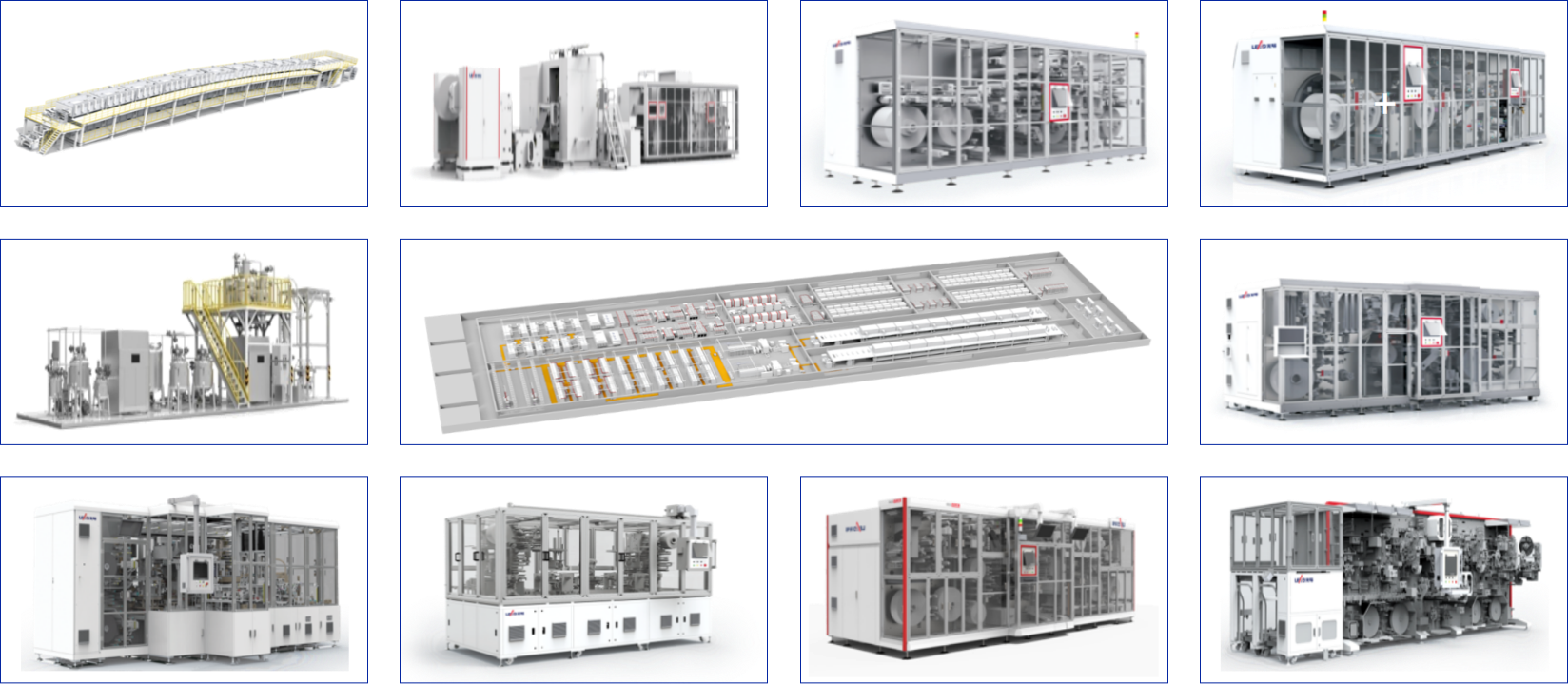
When it comes to energy storage, the efficiency of the manufacturing process plays a significant role. The lithium ion battery assembly line is optimized for precision and high output, crucial for meeting the soaring demand for sustainable energy solutions. This advanced setup embraces automation and cutting-edge technology to ensure consistent quality and speed in production. With heightened global awareness about renewable energy, the assembly line methodology has been refined to maximize throughput while minimizing waste such as defective cells. This means more green energy solutions for everyone.
Driving the Future with Innovation
Furthermore, the design of the lithium ion battery assembly line not only enhances production efficiency but also supports scalability. As demand increases, the assembly line is capable of expanding without significant disruptions, ensuring that manufacturers can keep up with the market. Innovations like modular designs make it easier to adapt to new technologies or battery types, thereby future-proofing the manufacturing process. Think about it: reliable supply chains begin at the source, and that source is now more agile than ever.
In conclusion, LEAD stands out as a manufacturer with supply advantages in the world of energy storage. Their commitment to quality and innovative practices ensures that you receive the best products for your energy needs. As you explore the realm of batteries, considering a reputable partner is crucial. For effective and reliable solutions, look no further than LEAD for your energy storage requirements.