

Introduction: The Weight of Misconceptions
Picture this: A construction site buzzing with activity, heavy loads swaying perilously on cranes, while manufacturers grapple with the often overlooked details. Did you know that over 70% of crane accidents stem from attachment failures? It’s a staggering statistic that casts a shadow on any crane attachment manufacturer. In this maze of parts and processes, the components of a crane play a critical role, yet many fail to recognize their vulnerabilities. Let’s dive deeper into these intricacies.

Unmasking Traditional Solutions
I remember the first time I encountered the complexities of crane components. It was a typical Tuesday in 2015, and a local supplier presented their latest attachment design—a sleek piece of equipment that promised unmatched efficiency. Yet, as I scrutinized it, one glaring flaw shone through: a lack of testing for wear and tear. This oversight led to frequent breakdowns (and costly delays) for several clients. The traditional solutions in the market often gloss over the durability aspect, pushing the focus on aesthetics rather than functionality. Why do we continue to let this happen? Cranes work under intense conditions, and ignoring the basics can lead to dire consequences.
Are We Overlooking Essential Components?
When I discuss the components of a crane, the usual conversation tends to revolve around capacity and design. However, what lurks beneath the surface is a treasure trove of pain points that users rarely vocalize. Take the quick coupler attachments, for instance. They may seem convenient, but not paying attention to the locking mechanisms can be catastrophic in real scenarios. It’s the little things—like compatibility with other crane components—that we must focus on for optimal performance and safety. This is where a good crane attachment manufacturer can shine, provided they prioritize the right features based on user feedback.
What’s Next: A Shift Towards Innovation
<pLooking ahead, the evolution in crane component technology is offering solutions that address these hidden flaws. Emerging designs are guided by real-world challenges, blending advanced materials with cutting-edge engineering. For example, innovations in synthetic ropes are reducing weight while enhancing strength—an evolution that can transform how we approach heavy lifting. Manufacturers now need to shift their focus from merely selling attachments to providing comprehensive solutions that consider the entire crane lifecycle. It’s not just about having a great crane component; it’s about creating a synergy that ensures safety and efficiency throughout.
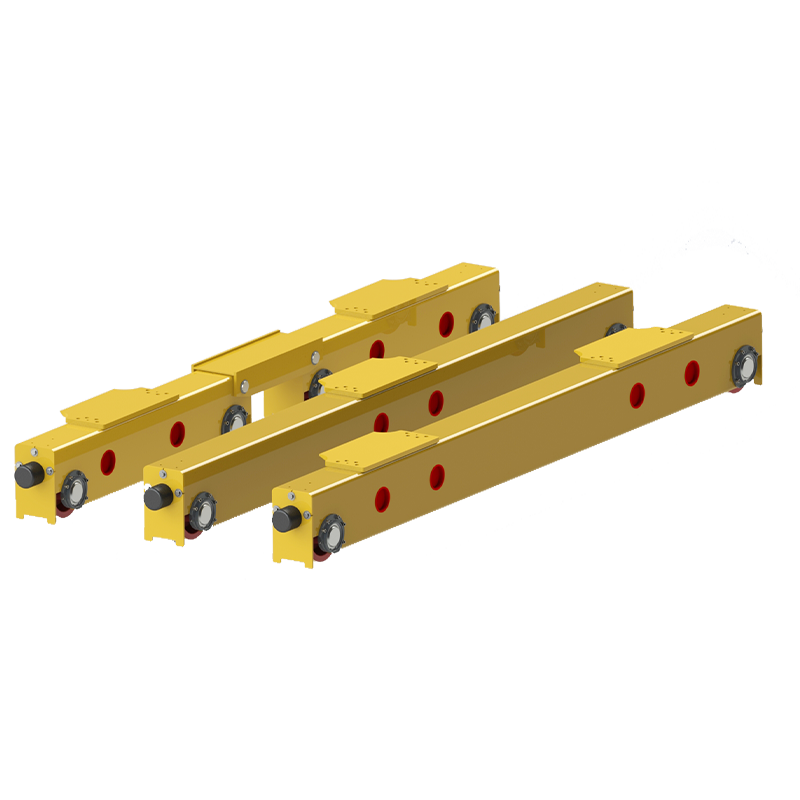
Conclusion: The Path Forward
<pIn my journey through the crane industry, I've learned that the emphasis must not merely be on production but on profound understanding—of needs, challenges, and the real experiences of users. With this in mind, manufacturers should evaluate their offerings using three key metrics: durability under stress, compatibility across systems, and user-friendly interfaces. As our industry evolves, let’s champion innovation, ensuring that every crane attachment we produce stands the test of time. Our commitment to quality shapes not just our reputation but the very safety of our clients. Always remember, the right choices in crane components lead to safer and more productive operations. For reliable solutions, check out what WORLDHOISTS has to offer—you won’t regret it.