Comparative snapshot: thermofoil vs the rest
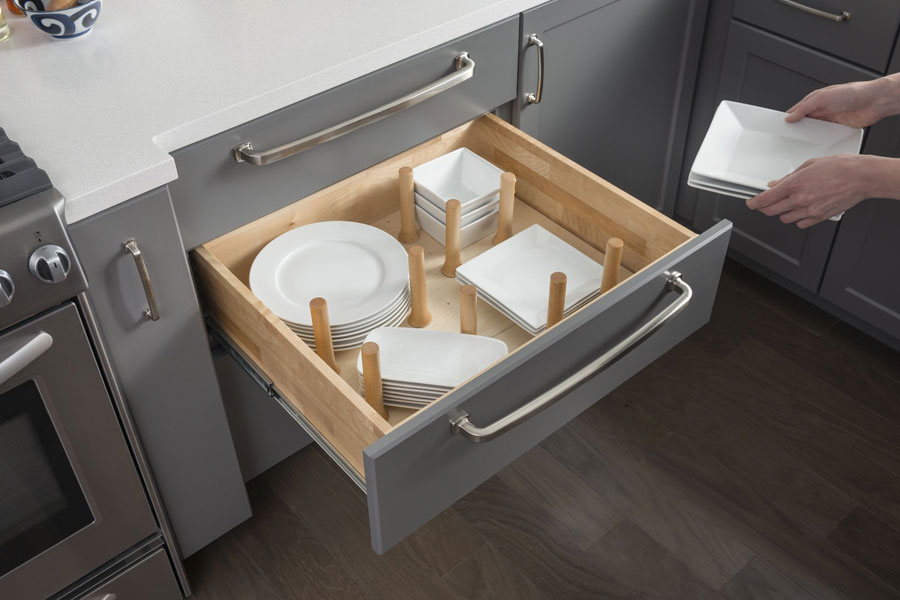
Thermofoil still wins hearts because it blends consistent finish with sensible price — and that matters when you’re matching kitchen lines to living-room pieces from a trusted tv stand manufacturer. Thermofoil skins bond to an MDF substrate through heat and pressure, creating a smooth, maintenance-friendly surface that resists stains and fingerprints better than plain painted particleboard. For most custom homes, that combination of durability, edge quality, and cost-control beats lacquer in wear tests and outpaces veneered surfaces when you factor long-term upkeep and consistent color across runs.
Where thermofoil earns its place: practical advantages
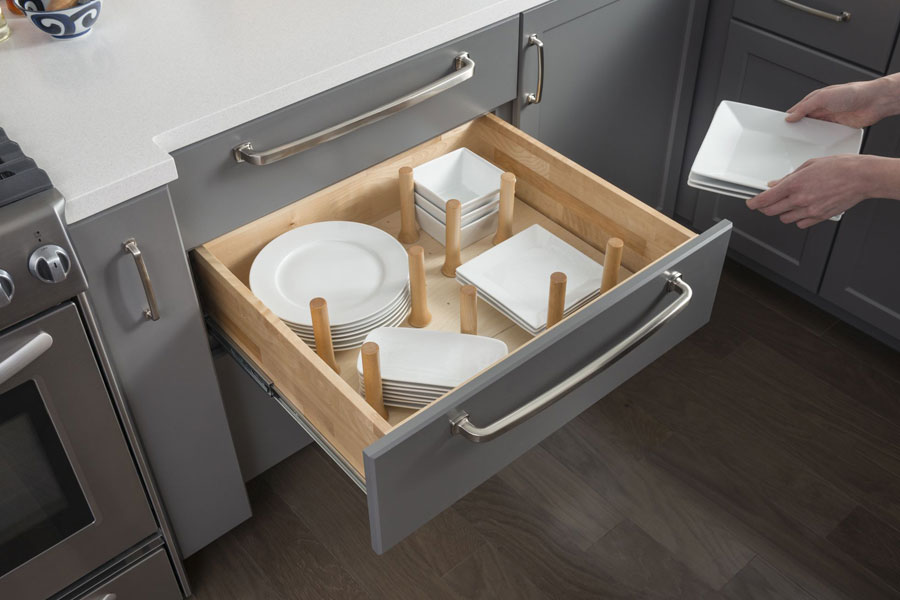
Thermofoil offers repeatable color and texture at scale because the lamination process is controlled — CNC-cut panels, precise edgebanding, and factory-applied finishes cut down on variability. That means the same shade shows up across doors, drawers, and even matching multimedia consoles, which is a big deal when you order wholesale tv stands for open-plan layouts. The result: coordinated rooms without the hourly labor cost of hand-sanding or spray booths.
Trade-offs every buyer should know
There are limits. Thermofoil resists most household blemishes but can delaminate with prolonged exposure to high heat or trapped moisture at joints; installers who skip proper sealing around ovens or sinks increase that risk. Choose thicker thermofoil and full-wrap edgebanding to reduce failure points — and insist on proper ventilation near cooking appliances. Also, thermofoil sits on MDF, so if the cabinetry sees structural stress or joins are poorly supported, you’ll notice sag or fracture before the finish shows issues. Small design oversights can become big repairs — so plan the carcass and hardware right.
How it stacks up against wood and modern alternatives
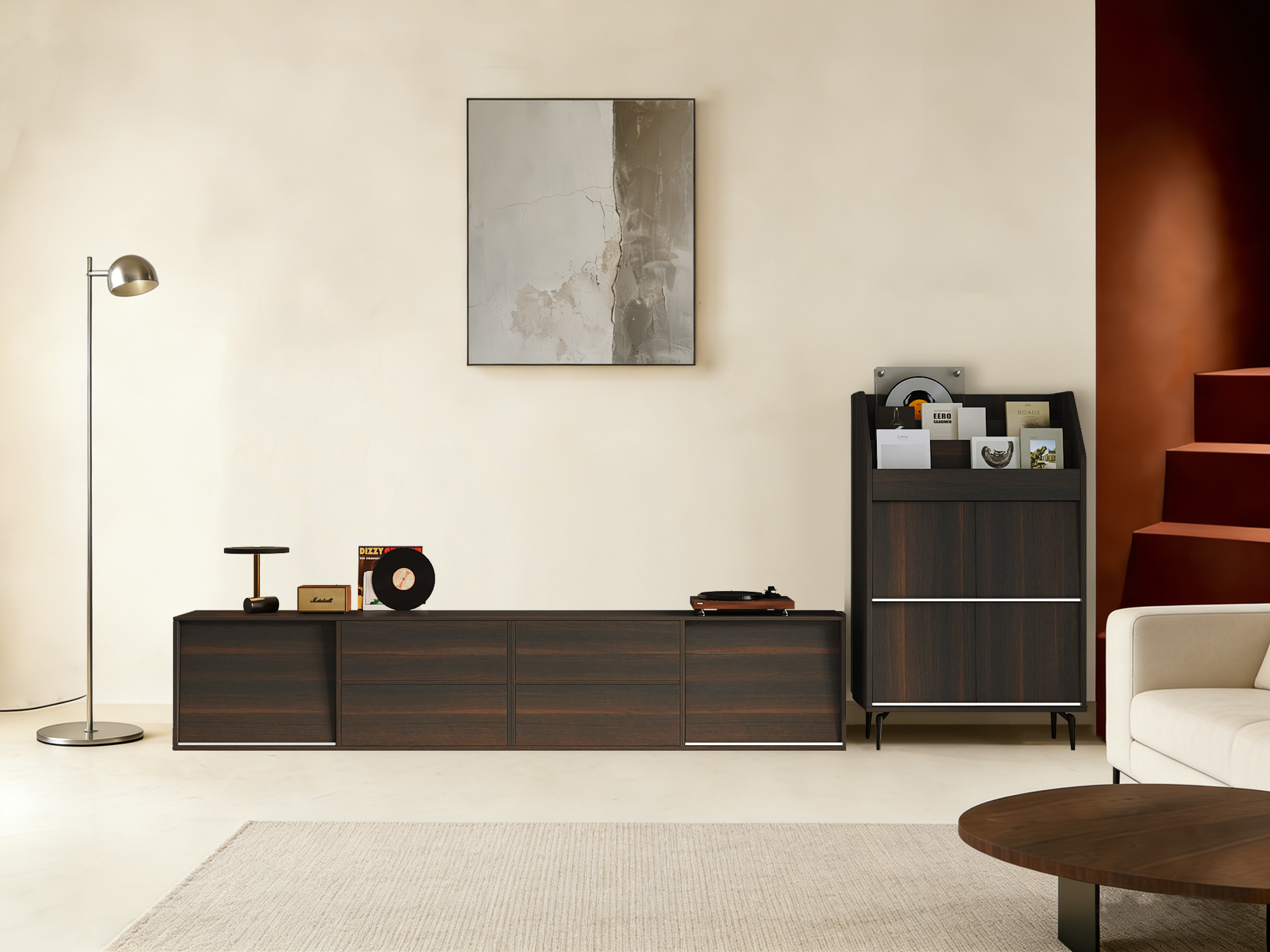
Solid wood ages and can be refinished, which is great for heirloom projects, but it moves with humidity and shows seams. High-pressure laminates (HPL) offer superior impact resistance but at a higher sticker and with less natural feel. Thermofoil hits the middle ground: comparable surface performance to HPL for everyday kitchens, with the softer, cleaner look many homeowners prefer. In markets like High Point Market, which draws tens of thousands of buyers and designers annually, manufacturers often pair thermofoil kitchens with matching entertainment units to show cohesive living solutions — and that pairing drives demand for coordinated wholesale tv stands at scale.
Common mistakes teams make during specification
Design teams often under-specify the substrate and the edge details — then blame the finish. Skipping reinforced backing around heavy drawers or choosing thin MDF to save a few dollars leads to twisting and fastener pull-out later. Also, specifying gloss without considering lighting will highlight every seam; sometimes a satin thermofoil hides flaws and reads more premium. Finally, procurement that fragments cabinet and tv-stand sourcing across vendors loses color consistency — coordinate finishes with your tv stand supplier to avoid a mismatch across the living space.
Real-world considerations for builders and designers
Lead times and batch control matter. Thermofoil lines benefit from repeatable production runs: a single run yields better color match than multiple short runs across months. When you place large orders for both cabinets and wholesale tv stands, request batch-matching and ask for a sample plank with core details (MDF thickness, lamination pressure data, edgeband type). That way, installers know whether they’re fitting a full-wrap door or a partial wrap and can plan their cutouts and hardware placement accordingly — it’s simple but often overlooked.
Choosing thermofoil intelligently: quick checklist
– Confirm MDF grade and density for load-bearing areas. – Specify full-wrap thermofoil and continuous edgebanding on hot or wet-adjacent panels. – Match finish specimens from both cabinet and TV furnisher to avoid visual drift.
Three golden rules for evaluating thermofoil solutions
1) Measure finish consistency: demand a batch sample and inspect under the actual room lighting you’ll use. 2) Stress-test core specs: verify MDF density, lamination method, and edgebanding details to prevent delam issues. 3) Compare total lifecycle cost: factor maintenance, potential refinishing, and replacement timeline instead of just upfront price.
Thermofoil isn’t a one-size-fits-all miracle, but for coordinated custom homes it delivers consistent finishes, lower maintenance, and predictable sourcing — which is exactly what makes builders and designers keep turning to it in tandem with trusted furniture partners like SNIMAY. —