Practical comparative approach
Start by defining what matters for your use case—daily city driving, long-distance family travel, or fleet duty—and rank those factors. Visit the GAC official website to gather published specs, then map those specs against real-world checkpoints. Manufacturers publish data after major industry events like Auto Shanghai; use those releases as baseline references but verify with measured data before you decide.
Key criteria to compare (what to measure and why)
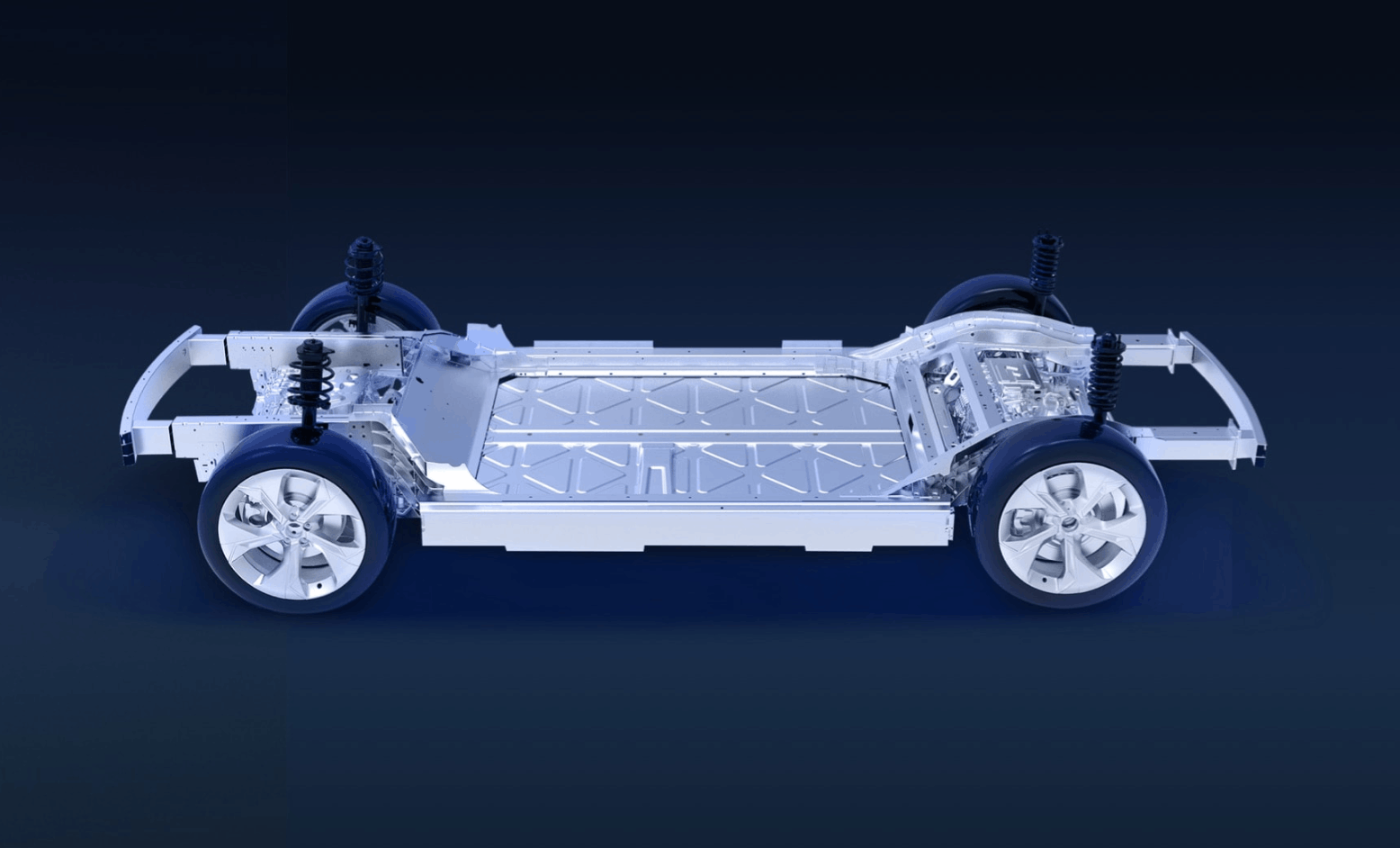
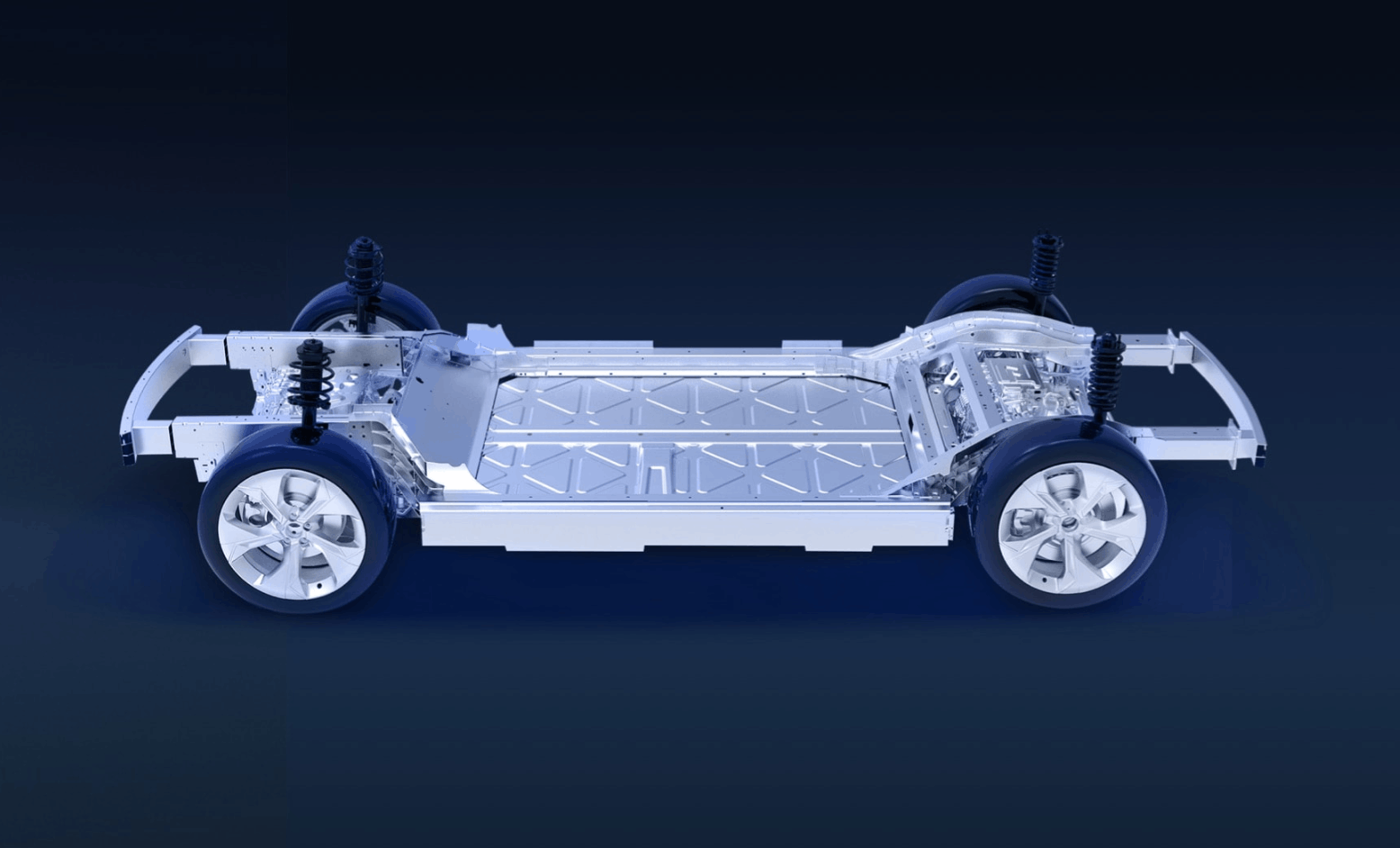
Keep comparisons objective and numeric where possible. Essential criteria:- Powertrain: peak torque, continuous power delivery (real-world mid-range response), and drivetrain type (FWD/AWD/electric). Prefer torque curves over peak horsepower for usable performance.- Packaging: wheelbase, rear legroom, front/rear headroom, seat mounting points. Nominal length/height don’t reveal usable cabin volume.- Cargo: trunk aperture dimensions, floor height, folded seat flatness. Measure doorway width and sill height for bulky items.- Safety & ADAS: number of airbags, lane-keeping behavior, adaptive cruise algorithm (low-speed follow vs. highway), NCAP rating where available.- Ownership metrics: warranty terms (years/km), planned maintenance intervals, tyre/wheel size impact on running costs.

Features: what to prioritize by use case
Match feature sets to tasks rather than luxury. For commuter-focused models prioritize driver-assist calibration and low-rolling-resistance tyres. For family use prioritize ISOFIX locations, rear ventilation outlets, and HVAC zoning. For mixed-use or rural driving prefer models with higher ground clearance, robust suspension travel, and predictable ABS/ESC mapping. Note infotainment specs—processor speed, update policy, and over-the-air capability—because software decay affects perceived value faster than hardware.
Interior space: how to evaluate usable volume
Don’t accept claimed liters alone. Measure these quick checks:- Rear knee clearance at seat track extremes.- Seat cushion length and hip point distance to door sills.- Boot mouth height and the width between wheel arches.A vehicle with a slightly smaller published cargo number but a lower load floor and a square load bay will carry more real cargo. Consider seat-fold mechanics: removable vs. folding-flat influences flexibility and long-term reliability.
Value: total cost, not sticker price
Compare total cost of ownership (TCO) lines:- Purchase price plus mandatory market homologation costs.- Fuel or energy consumption under realistic loads and speeds.- Tyre and brake wear driven by curb weight and brake regen on hybrids/EVs.- Service intervals and parts availability in your target country.- Residual value indicators: look to segment depreciation trends in Europe, then adjust for brand presence and dealer footprint.
Practical comparison workflow
Use this sequence for a repeatable, impartial result:1) Pull factory specs from the manufacturer site and cross-check a secondary data source.2) Translate specs into user metrics: 0–80 km/h time, realistic fuel/energy per 100 km, and cargo fit test with a standard-size item (e.g., 1.2 m flat panel).3) Drive both models on the same route: urban, provincial road, and highway. Note throttle response, suspension compliance, and noise at 120 km/h.4) Inspect build quality: panel gaps, door shut feel, and fastener presence in serviceable areas.5) Score each model across the criteria and weight scores by your initial use-case priorities.
Common mistakes to avoid
Buyers often pick on headline tech or lowest price and ignore systems integration. Avoid these errors:- Relying on advertised range or consumption figures without considering payload and European driving patterns.- Ignoring dealer network density in the intended country—warranty service becomes costlier if travel is required.- Overvaluing one-off convenience features while downgrading core reliability attributes like brake feel and suspension durability.
Quick decision checklist
Before you sign: confirm homologation status for your country, check a direct measurement for at least three space dimensions (rear legroom, trunk width, load height), validate warranty terms and roadside assistance in Europe, and run an independent fuel/energy test cycle if possible. Use a simple scoring matrix: Features (30%), Space (30%), Ownership cost (40%).
Conclusion
Compare measured performance, usable space, and real ownership costs rather than rely on badges or a low sticker price. Follow the measurement workflow, prioritize the criteria that match how you’ll use the vehicle, and verify site-published specs against hands-on checks. The result is a clear, defensible selection that aligns features and space with long-term value—precisely the comparison you can refine by consulting the manufacturer documentation at GAC.