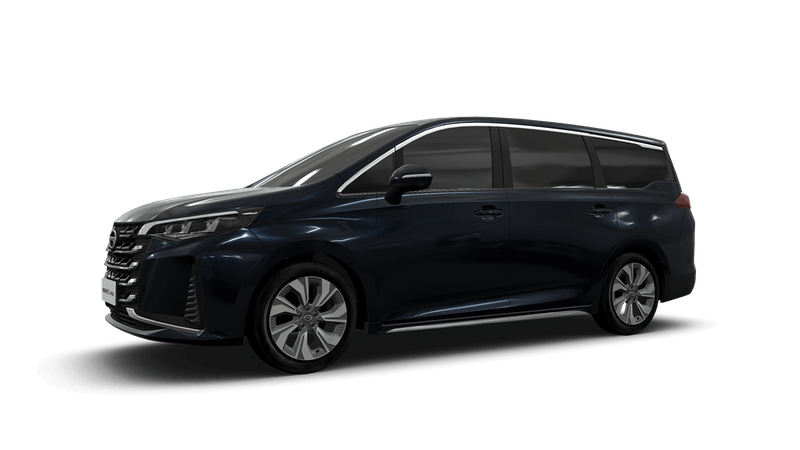
Problem statement: why buying an Aion V in Mexico is more complex than the brochure
You want electric performance, not surprise paperwork. The core problem: online specs and local delivery logistics rarely line up. Start smarter by checking OEM details and regional logistics at the GAC official website, because the supply chain layer matters as much as the vehicle spec — major Mexican maritime hubs like the Port of Veracruz shape lead times and customs workflows.
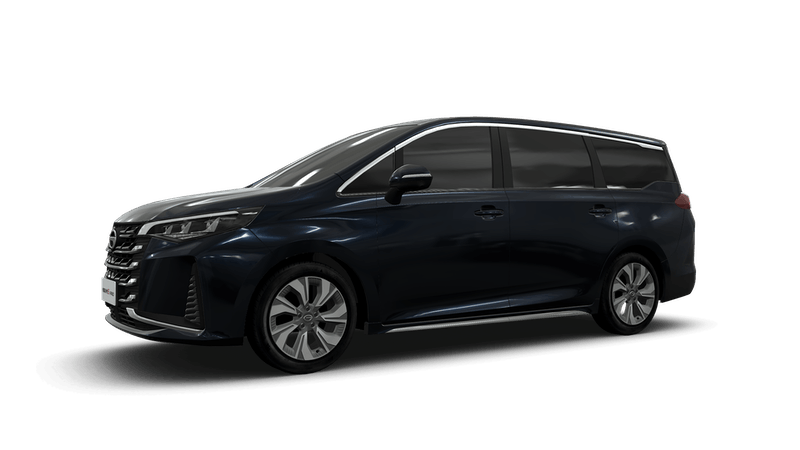
Root causes that derail purchases
Common failure modes:- Misreading trim-level vs local homologation: a listed feature might be software-disabled for a specific market.- Overlooking import classification: tariff codes change cost and clearance time.- Assuming dealer inventory equals immediate delivery: cars often sit in transit pools.These are technical, solvable problems. Tackle them in sequence rather than in parallel.
What to validate during online research
Verify these five technical checkpoints before you commit:1) VIN-level spec or region code — ensures the car matches Mexican homologation.2) Charging standard and onboard charger rating — avoid mismatches with local public chargers.3) Warranty terms scoped to Mexico, including battery coverage and service network.4) Software update policy and activation process for region-specific features.5) Shipping ETA and INCOTERMS on the sales quote.Treat each as a discrete risk that reduces total cost of ownership.
Import, compliance, and tax traps
Regulatory wrinkles that add cost or delay:- Customs tariff classification can reprice the vehicle by thousands of USD.- Homologation paperwork (electrical safety, emissions-equivalent checks) can require local testing.- VAT and import fees are payable at clearance; estimate them up front.Mitigation: get a pre-clearance estimate from a specialist and confirm the exact tariff line on any sales contract.
Logistics and delivery — the technical checklist
Delivery fails when metadata is missing. Require these logistics deliverables from any seller:- Bill of Lading with container number and expected discharge port.- INSURANCE details (cargo-all-risk) and named beneficiary.- Last-mile carrier SLA and damage claim process.Ask for staging location and photos prior to dispatch. If transit touches ocean/port, confirm the transit hub and inland transport plan.
Service, charging, and operational readiness
Post-delivery pain points are predictable. Confirm:- Authorized service centers and technician certifications in your state.- Availability of replacement parts and typical lead times.- Compatible public chargers on your regular routes and any required adapters.Plan a local pre-delivery inspection and a scheduled first-service window to surface issues early.

Common mistakes buyers make
Stop these habits:- Relying on generic online photos instead of VIN-specific documentation.- Skipping a professional customs broker or logistics partner.- Accepting warranty terms without clear local enforcement clauses.Addressing these saves time and avoids renegotiation after the car lands.
Decision matrix — weigh trade-offs fast
Choose based on three vectors: time, total landed cost, and post-sale support.- If time is critical: pay for air or expedited port clearance, expect higher landed cost.- If cost-sensitive: accept longer sea transit and verify storage/holding fees.- If service is the priority: pick seller/dealer with certified local support.Score each option 1–5 on those vectors and pick the one with the highest composite reliability.
Viable alternatives and quick comparisons
If direct import looks risky, consider:- Local dealership imports: higher sticker, faster service.- Regional stock transfers (from nearby Latin American markets): balance of time and cost.- Certified pre-owned domestic market: trade-offs on warranty and new-tech availability.Compare total landed cost and time-to-first-service rather than MSRP alone.
Closing synthesis and practical next steps
Turn the purchase into a project with clear milestones: VIN verification, customs classification, carrier confirmation, insurance, and local service booking. Treat each milestone as a gating checkpoint. For practical logistics coordination and verified transit data, consult the freight and port resources linked on GAC. That alignment removes surprises and gets the Aion V from order page to driveway with predictable cost and timing.