

Understanding your use first
You’re checking coatings, inks, or adhesives and you need results that feel honest — not wishful. Start by naming the real task: routine QC, R&D formulation work, regulatory compliance, or batch release. For many labs, a reliable automatic film applicator becomes the everyday tool that removes guesswork from film thickness and repeatability. Say what you do; the choices become obvious.
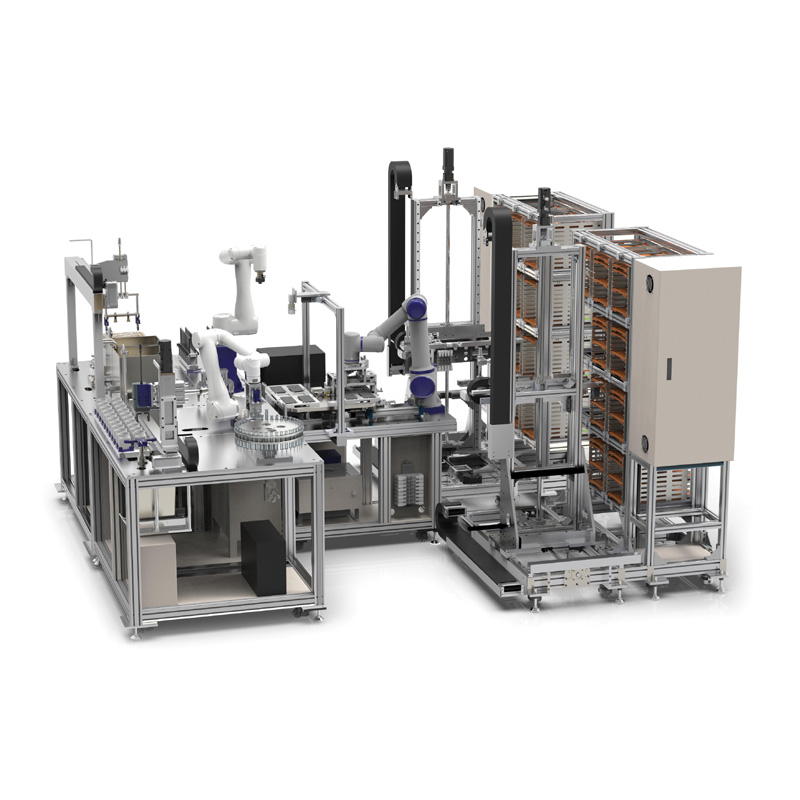
Which features actually help you every day
Prioritize repeatability, ease of cleaning, and clear measurement ranges. A precise blade or bar control matters more than fancy screens when you run hundreds of panels. Look for simple mechanical adjustment, consistent substrate clamping, and accessible spare parts. Digital readouts are nice, but a stable mechanical foundation saves time and headaches. Think about lab ergonomics: a machine that’s easy to load and unload keeps operators engaged and reduces mistakes.
Common mistakes operators make
Buying for one perfect test and ignoring throughput. Choosing the cheapest device that meets a single spec. Assuming every applicator will work the same across substrates. Misreading tolerances — a tool rated “±10 µm” is not precise enough for thin-film pigment work. Train people on setup and maintenance. Calibrate against certified standards and keep a simple maintenance log; small drifts ruin data faster than you expect.
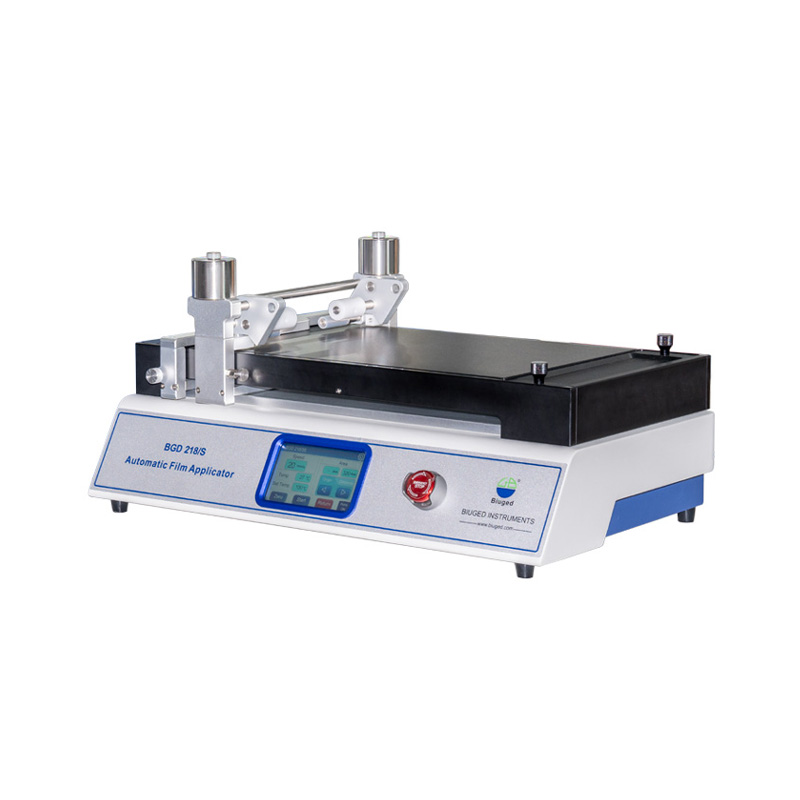
How alternatives compare for typical users
Manual applicators are lightweight and cheap, great for occasional checks. Automated systems bring consistency and throughput but cost more and need a bit of training. Bench-top drawdown units sit between: they offer control without huge footprints. For formulators who switch materials daily, modular rigs that accept different bars or blades give the best balance. If lab space is tight, prioritize compact footprint and removable parts that tolerate quick cleaning.
Experience, standards, and real-world proof
I’ve spent years observing QC benches and R&D labs where standards matter; the lessons repeat. Trusted protocols like ASTM D823 guide how films should be produced and evaluated, and events such as the North American Coatings Show illustrate what major manufacturers choose for scale and repeat testing — practical context that backs equipment decisions. For a straightforward, dependable option used in those settings, consider the classic drawdown machine. Look for vendors with clear calibration references, accessible support, and documented use cases; those elements signal true expertise and reduce onboarding friction.
Final thought: match the tool to your workflow
Choose equipment that serves your daily rhythm: consistent output, simple upkeep, and traceable results. When labs need that practical balance between precision and usability, they often end up with suppliers who document standards, back products with service, and design for real work — the kind of practical reliability I’ve seen repeatedly at labs aligned with BIUGED.
