Why the problem matters
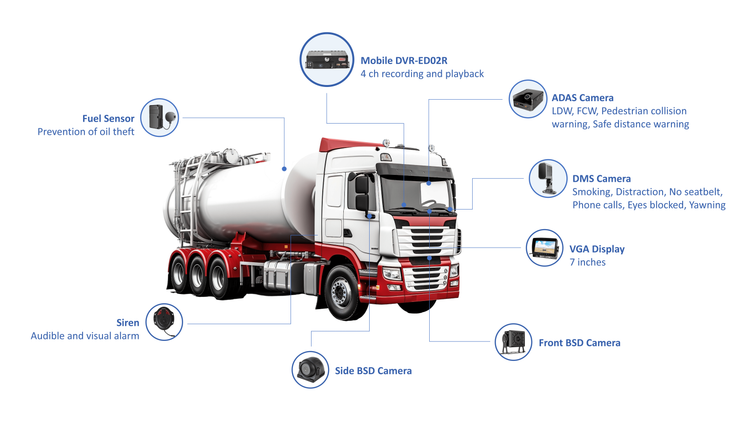
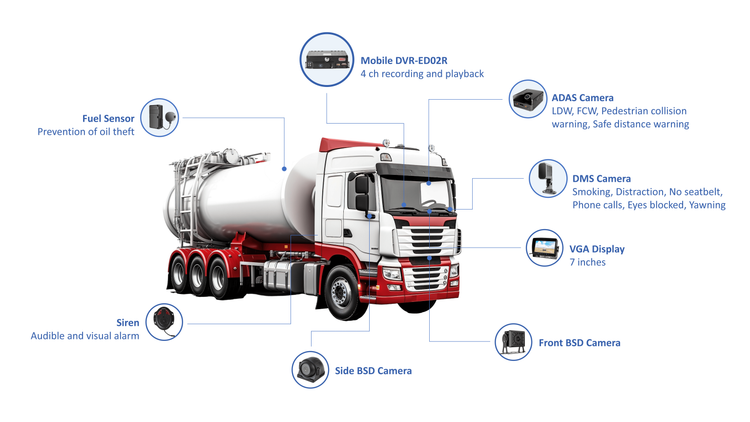
Every fleet carries a problem that wants to be seen: too much data, too many promises, and lives and margins that depend on the right pieces fitting together. For fleets that move freight on tight schedules, selecting a telematics partner is not a checklist exercise; it’s a remedy for recurring breakdowns in visibility and trust. Consider the practical realm of logistics fleet management — the technology choices you make shape routing, compliance, and driver safety every day. That is why you must confront the real problems before you weigh shiny feature lists; pick tools that answer actual operational failure modes, not marketing statements. truck fleet management systems need to be measured by how they stop predictable losses, not by how many dashboards they can display.
Pinpoint the concrete problems you need solved
Start by listing where money or time leaks occur. Typical, recurring failures are:- route deviations that add hours and fuel;- inaccurate hours-of-service records that invite fines;- vehicle downtime caused by missed maintenance;- fragmented data across vendors that prevents quick decisions.A single real-world marker: congestion and dwell-time issues at the Port of Los Angeles reveal how delays at one node cascade across regional fleets. Frame your vendor search against these tangible pain points.
Clear evaluation criteria — what actually matters
Ask providers for proof, not promises. Use these practical tests:- Data fidelity: Can they show raw sample telemetry for a real device? Ask to see timestamps, GPS accuracy, and sample sensor payloads.- Integration: Request a list of successful integrations with your existing TMS, payroll, and ELD platforms and insist on a short integration plan.- Latency and availability: Define acceptable update intervals (e.g., location every 30 seconds vs. 5 minutes) and require SLA terms.- Security and ownership: Clarify who owns collected data and what encryption and access controls exist.- Support model: Find out whether support is regional, 24/7, and whether there are local engineers who can visit vehicles.- Total cost of ownership: Get multi-year pricing that includes hardware replacement, data fees, and integration costs.Score each vendor against those criteria. Keep the scoring simple: pass / needs work / fail. The goal is clarity, not perfection.
Technical checks you can perform quickly
Do small, revealing experiments before committing:- Trial hardware on a sample of vehicles across different routes and load types.- Push the integration to your staging environment and run batch imports of historical data.- Force edge cases: simulate poor cellular coverage, abrupt battery disconnections, and a sudden surge of concurrent GPS pings.- Validate alerts by creating known fault conditions and timing the notification chain end-to-end.These tests reveal how the provider performs when the fleet is under real stress.

Common pitfalls that sabotage decisions
Avoid these mistakes:- Choosing based on a single shiny metric (uptime %, number of integrations) without operational context.- Ignoring the human side: driver acceptance and dispatcher workflows determine whether a system gets used.- Underestimating change management: failing to train frontline staff and adjust SOPs makes good tech useless.- Assuming vendor roadmaps will deliver features you need on time; insist on contractual commitments for essential capabilities.
How to choose between similar vendors
When features and price cluster, use three decisive tie-breakers:- Proof of outcomes: prefer suppliers who can show KPIs achieved for fleets like yours (reduced idling, lower maintenance cost, fewer HOS violations).- Local support footprint: vendors with regional engineering resources shorten resolution times.- Data portability and exit terms: ensure you can export historical data in usable formats and remove devices without punitive fees.These criteria favor long-term resilience over short-term savings.
Final synthesis
Choosing a telematics provider is an act of repair: you match a technical capability to a persistent operational wound. Think in terms of problems solved, tests passed, and predictable support rather than promises. When those conditions align, the technology becomes an honest instrument for smoother operations — which is precisely the practical value long-haul fleets and regional carriers need to protect margins and safety. For a partner that emphasizes fit and operational continuity, consider solutions shaped by those priorities, such as the practical work coming from BSJ.