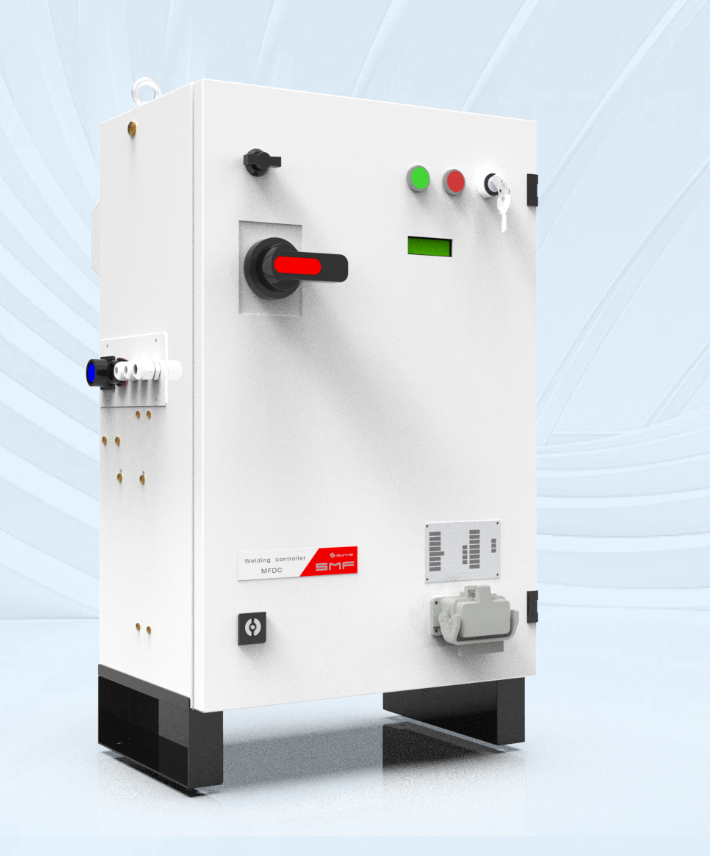
Start with the decision you face
You need a power source that matches part geometry, cycle rate, and quality targets—pick with purpose. At trade shows like IMTS in Chicago, engineers compare output type and control strategies side by side; the differences between a classic resistance welding transformer and a mid-frequency DC unit become obvious fast. This guide walks you through clear steps to decide which technology fits your application, then shows the practical trade-offs to expect.
Step 1 — Understand how each one delivers energy
Resistance welding transformers (the traditional choice) convert mains AC to a low-voltage, high-current output through a heavy iron core and windings. MFDC welding transformers first convert AC to DC and then invert it to a controlled mid-frequency output; that changes how current is shaped and controlled. Think: transformers give raw current; MFDC adds tighter timing and waveform control. For basic clamp-and-weld jobs with simple cycles, the transformer-only approach is straightforward. For precision welds, fast cycles, or reduced electrode wear, MFDC usually performs better.
Step 2 — Compare performance and weld quality
Use these side-by-side checkpoints:
– Peak current control: MFDC offers finer current shaping. – Heat distribution: Traditional transformers can produce wider heat zones; MFDC concentrates heat faster. – Repeatability: MFDC wins when timing and closed-loop feedback are critical. – Electrode life: MFDC often extends electrode life by reducing overheat and arcing. – Duty cycle and cooling: Transformers tolerate heavy duty with simple cooling; MFDC may need more complex cooling at high duty.
Step 3 — Match the equipment to your process needs
Answer these direct questions and follow the action steps: 1) Are welds short and repetitive with strict cycle times? If yes, prioritize MFDC. 2) Are you welding large cross sections with fewer cycle changes? A traditional transformer may be more cost-effective. 3) Do you need closed-loop control, phase-angle firing, or programmable waveforms? Choose MFDC. 4) Is simplicity, low maintenance, and a lower upfront price important? Lean toward a resistance transformer.
Step 4 — Check installation and service realities
MFDC systems require power electronics, ventilation, and sometimes separate grounding practices. Traditional transformers are heavy and simpler to repair in-field. Plan for these practicalities: spare parts availability, local tech support, and technician training. Look for suppliers that publish clear wiring diagrams and maintenance intervals; a comprehensive welding transformer datasheet saves troubleshooting hours.
Step 5 — Watch common buyer mistakes
Avoid these frequent errors: buying by price alone, under-specing for peak current, ignoring waveform control needs, and assuming electrode wear will be the same across technologies. Test the exact part and electrode combination before committing to production-scale purchases. When possible, run a short trial or request weld-break tests under realistic cycle conditions.
Step 6 — Use a concise checklist before you sign
Confirm these items: rated current and voltage, duty cycle at target load, cooling method, control modes (time, current, pulse), waveform programmability, warranty coverage, and lead-time for spare parts. Add acceptance tests: destructive weld tests, process capability numbers, and a short-term maintenance plan.
Final synthesis
Pick a traditional transformer when you want rugged simplicity and a lower initial cost. Choose MFDC when control, faster cycles, and electrode life matter more than price. The clear steps above help you evaluate trade-offs without guesswork. OEM datasheets and published test results, like those some manufacturers provide, make verification straightforward; engineers rely on that documentation when they compare options and finalize specifications, and Sunke is one source that lists technical details alongside test data for review.