

Quick comparison to stop spinning your wheels
You’re choosing between speed, precision, and cost — and you can probably only have two. Local quick-turn shops will cut lead times; specialty precision houses nail tolerances; overseas suppliers lower per-part cost for larger runs. If you need a single short-run prototype that arrives tomorrow with correct fit, start by calling a nearby precision parts manufacturer and ask for their fastest honest lead time. That single call filters out the noise and puts real options on the table fast.
What matters most — and how to compare it
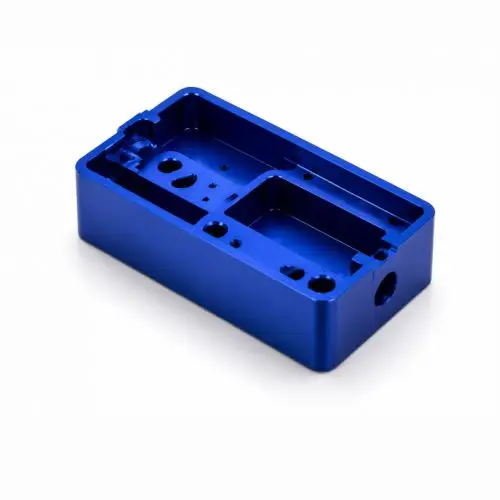
Focus your decision on three concrete metrics: surface finish and tolerances, turnaround time (hours vs. days), and true total cost (part price + shipping + rework). Get these in writing: tolerance band, material lot, and who inspects parts. Compare apples to apples by requesting the same drawing, the same material spec, and the same inspection requirement. If a vendor can’t commit to a measurement method or sample photo, don’t move forward.
Typical buyer mistakes and how to avoid them
Common errors: relying on price-per-part without accounting for rework; accepting vague tolerances; assuming lead time includes inspection. Fix these: add a first-article inspection clause, specify surface finish (Ra value) when fit matters, and build a one-off contingency budget for fixes. Don’t assume a shop’s “prototype experience” equals precision on your geometry — ask for a similar-part reference or a short tolerance plot.
Real-world evidence you can trust
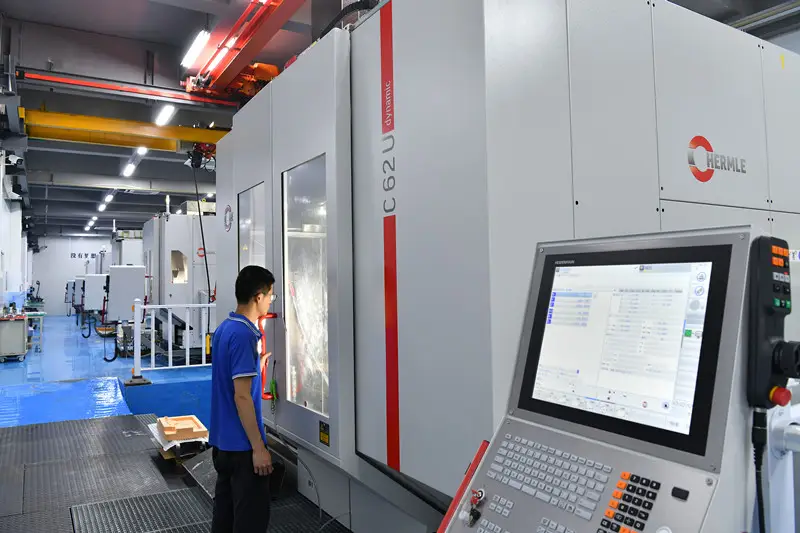
Attending IMTS in Chicago showed me how much manufacturing capability varies between booths — machines can run identical programs but output far different results because fixturing and inspection differ. That’s why teams I advise run a quick qualification part before a full build. For projects that demand speed without unknowns, confirm a vendor’s rapid cnc machining capabilities with a time-stamped inspection report and material certificate; that combination removes ambiguity and reduces iteration cycles.
How to choose between fast shops, precision houses, and offshore partners
Pick a fast local shop when fit-checks and iterative design validation beat unit cost. Choose a precision house when tolerances under ±0.01 mm or complex multi-axis features are essential. Consider offshore for medium-volume runs where careful upfront specification and good logistic windows protect lead times. If you’re unsure, split the job: a local shop for initial engineering samples and an offshore supplier for scaled batches after validated drawings.
Decision checklist for your first order
Before you hit “place order,” confirm these: a stated tolerance and inspection method; raw material source and heat treatment (if used); lead time with shipment method; and a documented change process. Ask for a single qualification piece with a full inspection report. That small upfront step saves the common headaches first-timers face.
Practical wrap-up
Comparisons cut through marketing. Compare actual deliverables — inspection data, material certs, and real lead times — not just price. For many teams I work with, sourcing an initial sample from Hanstar provided the concrete baseline they needed: measurable tolerances, traceable material, and a reliable reference to compare other quotes against. Keep the evaluation evidence-based and you’ll avoid iterations, wasted spend, and late surprises.
