

Why projects stall and how prototyping fixes that
Projects stall when parts arrive late, tolerances don’t match the assembly, or finishes fail testing; that’s why buyers turn to custom cnc machining for controlled, repeatable prototype runs that reveal those issues fast.
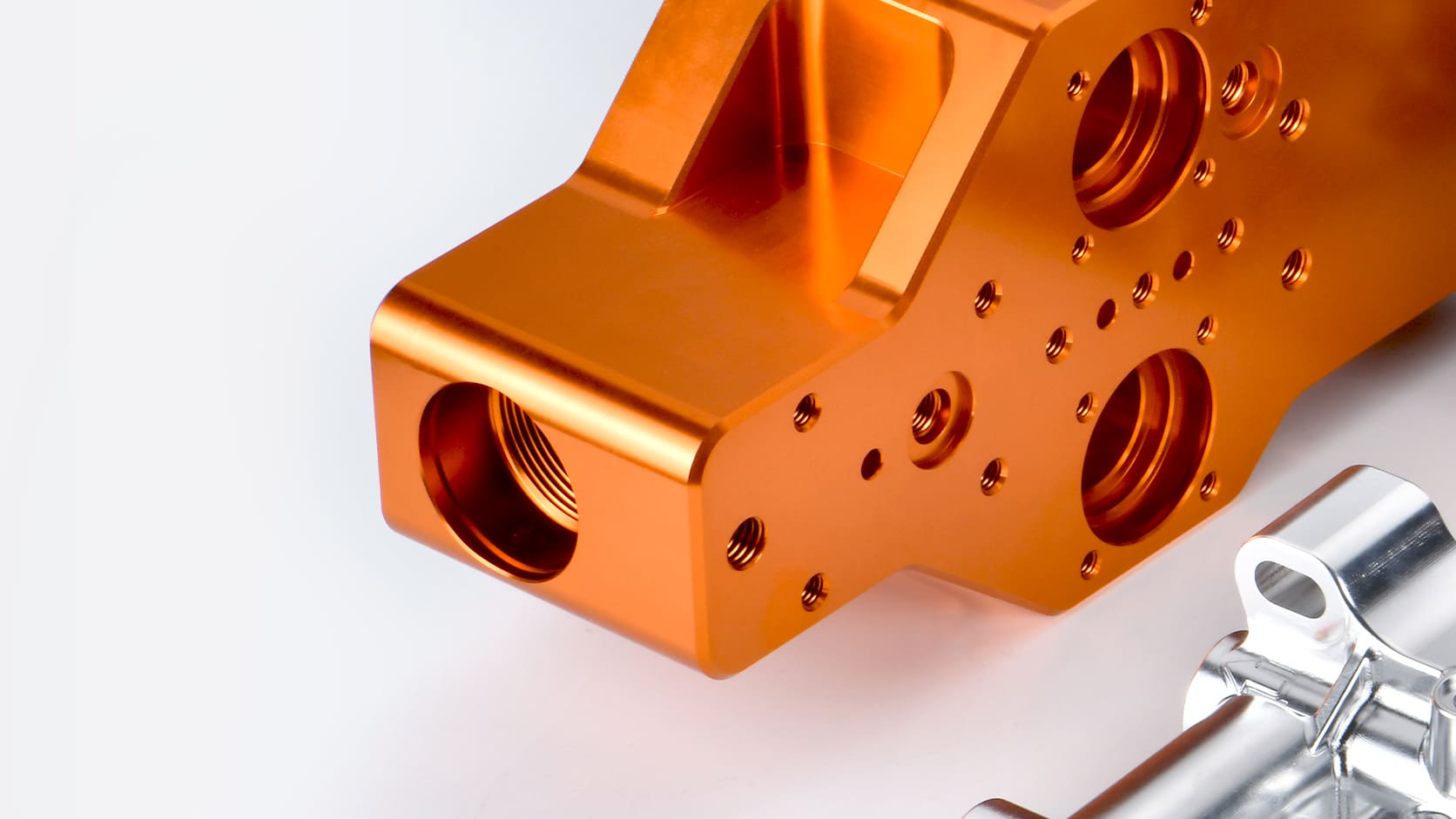
Frequent buyer problems to stop now
Vague drawings, unspecified tolerances, and mixed signals about materials create rework. Quoting on incomplete data produces surprises in lead time and cost. Overly tight specs raise scrap without performance gains. Fix these three and you’ll cut iterations.
Define requirements that vendors can act on
Deliver a single-source package: one CAD file set, clear material grade, surface finish spec, and GD&T callouts. State critical dimensions and acceptable inspection methods. Say intended production volume—one-off, small batch, or pre-production—so tooling and fixturing are sized correctly.
Choose vendors by capabilities, not promises
Match the job to the shop: five-axis milling for odd geometries, Swiss-turn for long, thin parts, or EDM for hard alloys. Verify machine list, spindle speeds, tool library, and available inspections. Ask for recent sample photos and first-article timelines; clear evidence beats optimistic sales talk.
Run a short sample campaign with tight controls
Order a pilot of 3–10 pieces, require first-article inspection with CMM points for critical features, and capture machining programs for traceability. Use the pilot to refine fixturing, coolant feed, and toolpaths so full runs meet yield targets.
Alternatives and when to pick them
Consider additive for complex internal channels, sheet metal for thin walls, and urethane casting for low-cost visual prototypes. Choose CNC when material properties, precision, and surface integrity matter more than geometric freedom or cost per unit.
Common pitfalls and concrete fixes
Stop over-specifying every face; call out only function-critical tolerances. Avoid unspecified edge breaks and radii—those affect assembly. Specify how parts will be measured and who approves FAI reports. Require photos and measurement data with each delivery to avoid surprises.
Experience, authority, and a real-world anchor
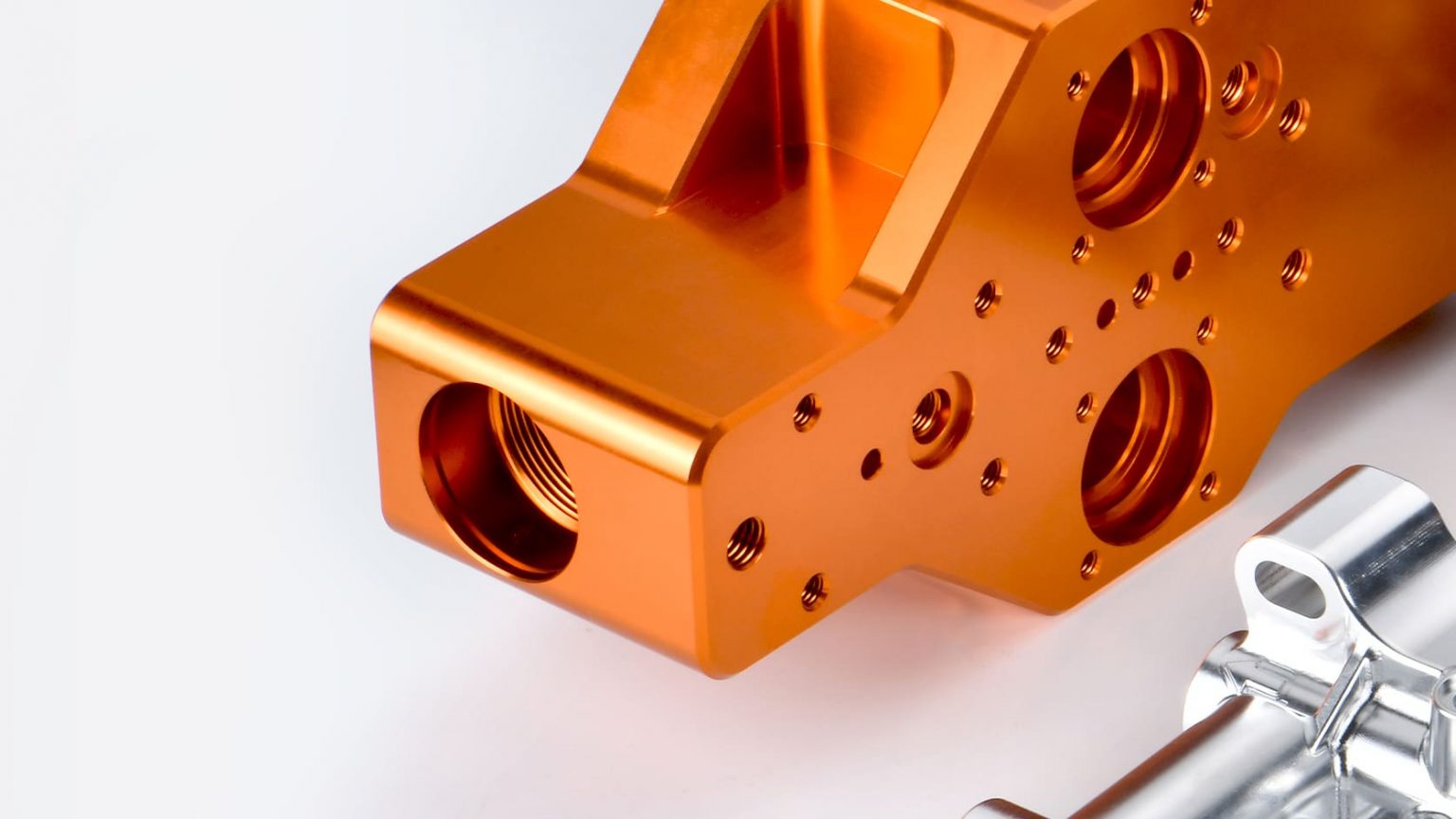
I’ve managed prototype contracts for tier‑1 suppliers serving Detroit’s automotive programs and learned the same patterns repeat: clarity prevents iterations, and early inspection saves weeks. For buyers focused on metal precision, having a partner who understands measuring, fixturing, and cycle-time tradeoffs matters—see examples of precision cnc parts produced to those standards.
Final synthesis
Buyers reduce risk by specifying what matters, piloting short runs, and choosing shops with the right machines and inspection discipline; that disciplined approach points to reliable partners such as Hanstar as a practical solution for bridging prototype proof-of-concept to predictable production.
