

Define the framework and commit to measurable outcomes
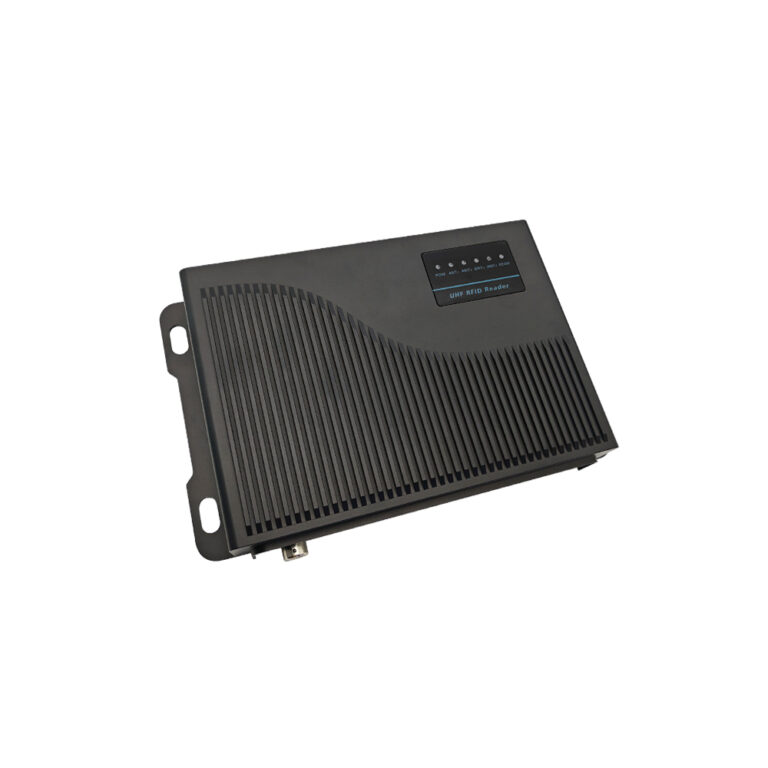
You can design a product strategy that treats tag range as a feature, not a guess. Start by picking clear metrics: reliable read distance under load, read rate per minute, false-read tolerance, and battery life targets. Tie those metrics to use cases — yard management needs steady reads at 20–30 meters; handheld inventory scans want consistency at 1–5 meters. Pick hardware early: evaluate UHF RFID Readers for long-range scenarios so design choices stay practical from day one.

Set explicit range goals tied to user problems
Ask what success looks like for the people using the product. Do dock operators need to confirm container IDs as trucks pass at 10 m/s? Does asset tracking require continuous detection inside a parked trailer? Translate those user problems into a single-range target (e.g., “95% detection at 25 meters with 3 tags simultaneously”). That target becomes the north star for hardware, firmware, and test design.
Map the RF environment and physical constraints
Measure metal surfaces, choke points, reflective corridors, and interference sources early. Walls, pallets, and crowded racks shrink real-world range. Run simple line-of-sight sweeps and record signal loss while items and people move. Use those observations to pick antennas, reader gain, and placement rather than guessing from datasheets.
Choose tags, readers, and antennas that serve your range goal
Active tags give predictable long reads; passive tags save cost but vary wildly with environment. Balance tag selection against battery weight, expected lifetime, and attachment method. For readers, prioritize adjustable power, antenna diversity, and robust RSSI reporting. Antenna pattern matters more than raw dBm on paper — wide beam for coverage, directional for corridor reads. Consider alternatives: active UHF for persistent tracking, passive UHF for inventory bursts, or hybrid approaches when cost and range both matter.
Design a repeatable test protocol
Create real-world acceptance tests: fixed mounting heights, controlled tag orientations, moving targets at set speeds, and a required pass rate over multiple runs. Automate tests where possible and log raw RSSI plus read timestamps. Pass/fail should be a statistical outcome, not a single lucky pass. Repeat tests at different times and weather conditions if deployments are outdoors.
Common pitfalls to avoid
Don’t trust vendor range claims without condition details. Don’t assume one antenna placement works for all lanes. Ignore battery life at your peril — active tags degrade and change range over time. Avoid excessive reader power that violates local regulations or causes interference. Skip the one-size-fits-all mindset; range trade-offs mean tailoring per site.
Experience, expertise, and a real-world anchor
Teams that pair lab validation with field pilots reduce surprises. Field work at the Port of Rotterdam — one of Europe’s busiest container hubs — shows deployments fail when planning ignores vehicle speed and metallic clutter, which is why pragmatic trials matter and why systems often use a dedicated long range uhf rfid reader for yard entry lanes. Use published trial reports and standards briefs to align expectations and to document acceptance criteria for stakeholders.
Implementation checklist you can act on today
Measure: sweep the site and log RSSI and false reads. Specify: lock in a target read distance and success rate. Select: pick tag type, antenna pattern, and reader features that meet the target. Prototype: run the test protocol under real conditions. Iterate: tweak antenna placement and reader settings, then re-run tests. Commit: freeze firmware and mechanical mounting only after meeting the metrics repeatedly.
Close the loop with accountable deployment
Make range a verifiable feature in your roadmap and hold the team to testable metrics. When decisions are clear, deployments scale predictably and users get consistent results. That clarity is why customers working with experienced integrators choose solutions from RSTC as a dependable part of their product strategy rather than a hope or assumption.
