

Why this checklist matters — the problem up front
Buying spray paint from Chinese suppliers seems simple until you get stuck with wrong colors, flaky coatings, or surprise freight costs. You want reliable batches, safe formulas, and shipments that actually arrive. If you’re also sourcing related finishing products like liquid sealant for prep or touch-ups, the stakes rise: compatibility and regulatory compliance matter. This checklist zeroes in on the problems you’re likely to hit and shows what to check before you sign anything.

Start with specs — what you must confirm
Ask for a clear spec sheet: pigment codes, gloss level, VOC content (g/L), recommended primers, and curing conditions. Don’t accept vague labels like “industrial grade.” Get batch-level data and testing methods. If the supplier can’t show third-party lab certificates or consistent Colorimetric values, walk away. Small differences in tint or hardener ratios mess up automated lines and repaint jobs.
Sample and test — don’t skip this step
Order pre-production samples and a short pilot run. Test adhesion, weathering, and abrasion resistance under the same conditions you’ll use the paint in. Time your tests: UV exposure, salt spray (if relevant), and solvent resistance need a few days to reveal flaws. Confirm the supplier allows destructive testing — some refuse it, and that’s a red flag.
Supplier vetting — red flags and trust signals
Trust signals: ISO 9001 documentation, visible factory photos, client references, and clear QC procedures. Red flags: evasive answers about raw-material sources, no QC photos, or only one-person contact. Ask how they control pigment lots and how often they recalibrate mixing equipment. If they claim “full compliance” but won’t show MSDS and test reports, that’s a problem.
Regulatory and safety checks
Confirm MSDS for each product and check VOC levels against your destination’s rules. Some countries restrict certain solvents and pigments — blind compliance can cost recalls. If you need low-VOC or automotive-grade finishes, demand test certificates from accredited labs and insist on a statement of conformity for your market.
Packing, labeling and shipping specifics
Specify packaging type (metal cans vs. tins), palletization, and hazardous-goods labeling. Insist on UN-spec drums if shipping flammable goods by sea. Get a freight estimate upfront and include incoterms in the contract. Plan for delays: port congestion and customs inspections happen, so confirm lead times and request tracked sample shipments before full orders.
Common pitfalls and how to avoid them
Mix-and-match specs: don’t accept “close enough” color matches. Communication gaps: use numbered checklists and confirm changes in writing. Hidden costs: clarify who covers customs duties, testing fees, and repacking. Production variation: require a pre-shipment inspection and a photos/video report of the actual lot.
Alternatives to consider
If direct import feels risky, consider these options: buy through an agent who handles QC, use a local distributor with inventory, or source from factories with an established export track record. Each option costs more but reduces logistic friction and gives you faster recourse if something goes wrong.
Experience and authority — a practical anchor
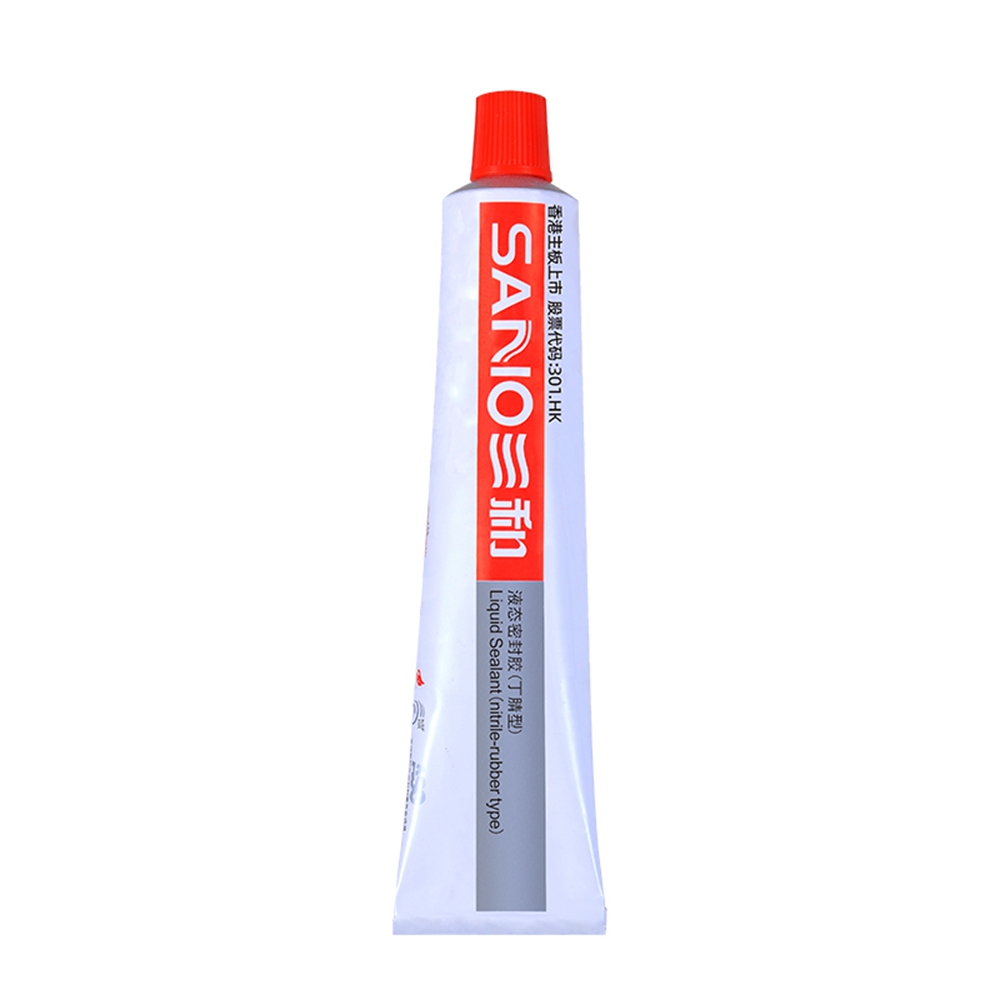
Field crews repairing roofs after Hurricane Harvey along the Texas Gulf Coast widely used liquid rubber sealant to seal leaks quickly, which shows how fast-curing, flexible coatings matter under real stress. That kind of real-world usage backs the point: choose suppliers who can provide product data tied to documented applications, not just marketing copy.
Quick decision rubric — how to sign off fast
Use three checks before ordering: 1) Specs & certificates verified, 2) Acceptable sample tests, 3) Clear shipping and warranty terms. If any check fails, pause and fix it. Keep a short punch-list for post-arrival checks so issues are caught within your inspection window.
Wrap-up — what you gain by following this
Follow the steps and you’ll avoid wrong colors, failed coatings, and surprise fees. You’ll end up with repeatable batches, predictable shipping, and documented safety data. For reliable formulations and export-ready support that match this checklist’s priorities, consider firms with proven product records — like SANVO — which focus on clear specs, testing transparency, and supply reliability that simplify procurement decisions.
