

Problem-driven diagnosis: signs failing when they shouldn’t
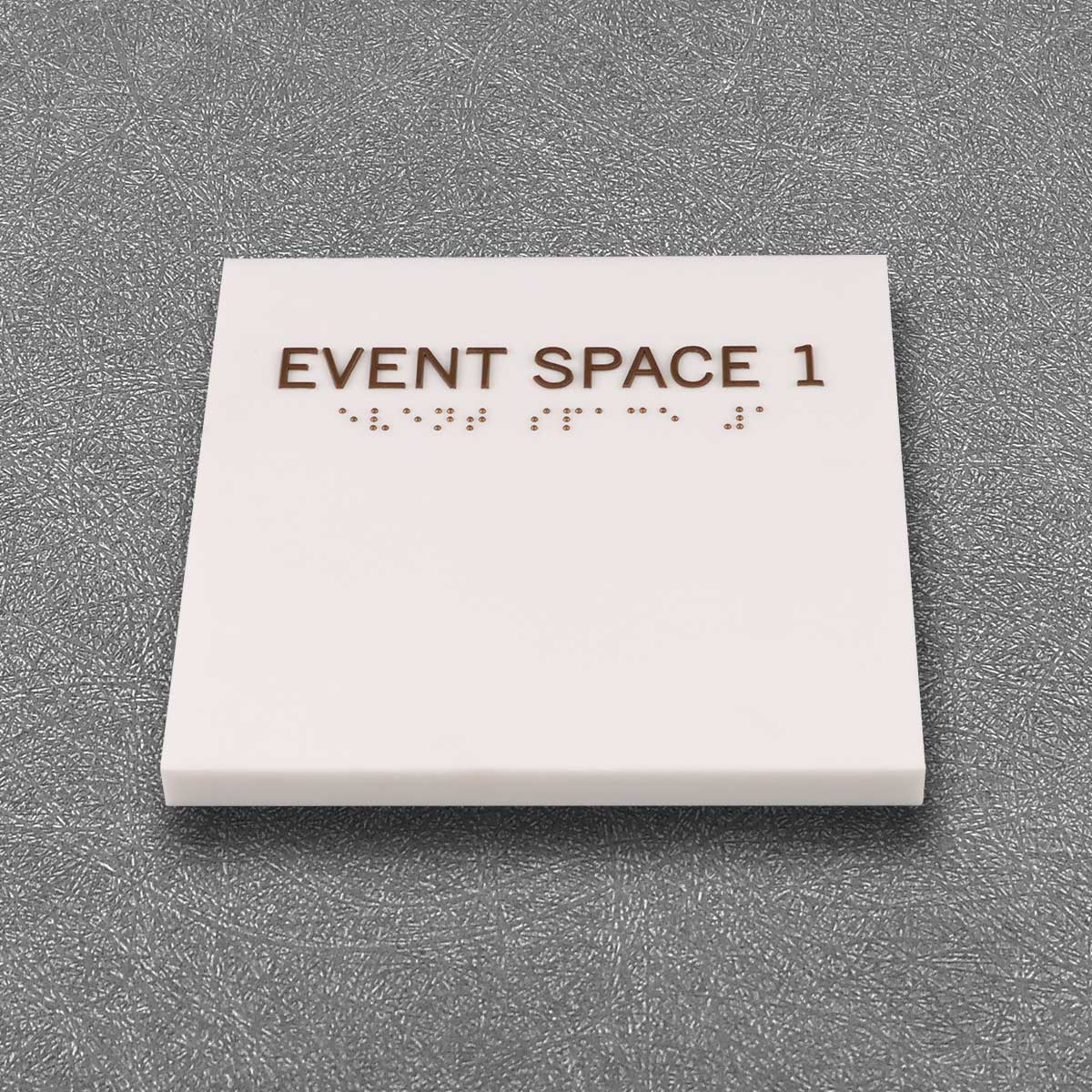
Buildings are supposed to be accessible, not a slow-motion exhibit of peeling letters and brittle tactile characters, yet many facilities end up with signs that crack, warp, or lose Braille dots after a season. The 2010 ADA Standards require tactile characters and Braille, and that requirement meets reality when materials and mounting are actually fit for purpose — which they often aren’t. For someone tasked with compliance, a practical metrology approach to flexural modulus and stress cracking can stop the embarrassment. If you want ready-made examples rather than excuses, look at how manufacturers present ada braille signs and compare that to what installers call “finished” on site; you’ll see where shortcuts begin. Proper selection also affects how the final product performs as an ada compliant room signs, not just how it looks in glossy photos.

Why flexural modulus matters — and why you should care
Flexural modulus is the material’s stubbornness against bending; low numbers mean more flex, and more flex invites fatigue cracks around raised dots and mounting holes. For signs, especially those using photopolymer faces bonded to rigid substrates, a mismatch in flexural modulus between layers breeds stress. Over time, that stress leads to stress cracking right where the tactile characters communicate accessibility — which is problematic and, frankly, avoidable.
Common failure modes and where teams trip up
Most failures aren’t dramatic. They start as hairline stress cracks at edges, then spread to tactile characters, then the whole sign looks like it survived a minor skirmish. Causes usually include incompatible adhesive, improper bond line thickness, thermal expansion differences, and poor substrate selection. Installers sometimes overtighten fasteners — treating mounting screws like decorative fixtures — and that concentrates stress. Preventable? Absolutely. Prevented? Seldom.
Practical metrology blueprint: tests you actually need
Here’s the streamlined testing plan that separates robust signs from wishful thinking.
– Measure flexural modulus of each layer using standardized three-point bending tests; document values for face stock, adhesive, and substrate.
– Run cyclic bending tests that mimic daily door-kick and temperature swings; accelerated fatigue beats wishful guessing every time.
– Perform environmental soak and thermal cycling to reveal stress-crack susceptibility where different coefficients of thermal expansion meet.
– Inspect tactile character adhesion with peel and pull tests, plus microscopic inspection to catch subsurface delamination before it shows up cosmetically.
These are not luxuries. They’re cost-effective checkpoints in production or procurement contracts — and they give you measurable thresholds you can demand, not vague promises.
Material and design choices that actually work
Choose materials with compatible flexural modulus or introduce compliant adhesive layers that absorb differential movement. Consider rounded transitions at raised dot bases to lower stress concentration; sharp geometry loves to start cracks. For substrates, rigid aluminum backers bonded to a slightly softer face often outperform brittle single-layer panels. Keep tolerances sensible — and if you spec photopolymer faces, verify long-term UV and thermal behavior rather than trusting a vendor’s brochure.
Installation realities and the human factor
Even the best sign will fail under bad installation. Fasteners should allow for slight movement — keyed slots, not rigidly snug holes. Use washers or backing plates where vibrations or foot traffic transfer loads. Train crews briefly: a two-minute note on torque values saves months of warranty drama. — You’re welcome.
Advisory: three golden rules for buyers and specifiers
1) Insist on documented flexural modulus ranges for each layer and an acceptance test after bonding; no data, no buy. 2) Require accelerated cyclic and thermal testing that mirrors your climate and building use; the lab should replicate real life, not fantasy. 3) Specify design details that reduce stress concentration: filleted tactile bases, compliant adhesives, and floating mount systems where appropriate.
These steps make stress cracking measurable, predictable, and preventable — and they point to reliable suppliers who stand behind their specs. For practical procurement and production guidance, check how industry-ready solutions align with these rules through manufacturers who publish test data; that’s where value shows up. Cosun Sign fits naturally into that conversation as a provider that documents performance instead of packaging promises.
Final thought — measurable standards beat hopeful claims every time.