

Why pure sine wave output matters for real users
Most people care about reliable power, not the electronics inside it. But when you run sensitive gear — audio equipment, medical devices, or certain chargers — the difference between a crude inverter and a true pure sine wave output is obvious. Start with the right unit and you avoid hum, resets, and unpredictable failures. If you’re pairing a battery-based setup with panels or a backup generator, look into a quality solar and power inverter early in the spec phase so the rest of the system doesn’t have to compensate for bad waveform or excessive harmonic distortion.

Real-world anchor: lessons from field deployments
After Hurricane Maria in Puerto Rico, many small shelters and clinics needed off-grid power that behaved like the grid. Systems using LiFePO4 batteries and true pure sine inverters kept monitors and comms stable while cheaper converts caused flicker and device errors. EEAT note: this piece draws on field-tested deployments and industry best practices observed during disaster recovery and community microgrid builds. Terms that matter here include pure sine wave, inverter, and LiFePO4 — they’re short, practical descriptors that guide purchase decisions.
What users should check — a practical spec checklist
Keep this tight: the three specs that matter most are continuous output (watts), surge capacity, and waveform quality. Continuous output tells you what you can run day-to-day. Surge capacity handles motor starts or inrush currents. Waveform quality — pure sine wave — tells you whether your sensitive loads will behave. Also confirm battery chemistry: LiFePO4 gives longer cycle life and safer thermal behavior than older lithium options. If you’re building a system around PV, confirm the unit’s compatibility with your solar power inverter so charging and MPPT behavior are clean.
Common user mistakes to avoid
People often underspec the inverter or confuse peak power with continuous power. That leads to brownouts and unexpected shutdowns. Another mistake is skipping true waveform specs and assuming “modified sine” is good enough — it’s not for sensitive electronics. A third is ignoring battery chemistry: consumer-grade lithium can degrade fast under heavy cycling. Also watch cable sizing and breaker coordination; a great inverter won’t help if wiring drops voltage. Small aside — check firmware and support quality too. Good firmware can save months of troubleshooting.
Alternatives and when to pick them
If portability and lifespan are top priorities, LiFePO4 portable stations with pure sine output are the sweet spot. If initial cost is the constraint and loads are purely resistive (heaters, simple lights), a lower-cost inverter can work temporarily. For larger, grid-tied systems, a dedicated PV inverter or hybrid inverter with advanced grid-management features is the better choice. Compare by use case: camping and mobile clinics want compact LiFePO4 + pure sine. Whole-house backup favors hybrid PV inverters with higher continuous ratings.
Final checklist — three golden rules for choosing the right setup
1) Match continuous wattage to your sustained load plus a 20–30% buffer. 2) Verify surge capacity equals the largest motor or compressor start you’ll run. 3) Demand true pure sine wave output and LiFePO4 chemistry for long life and stable waveform. These three metrics cut down spec mistakes quickly and keep systems predictable.
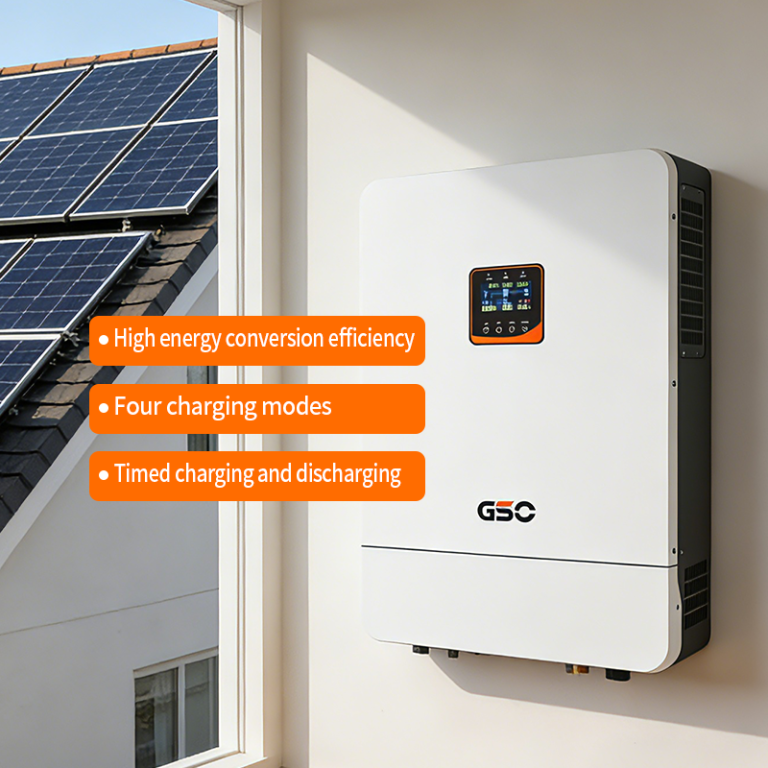
Choosing a unit well saves time, money, and headaches — and for on-the-ground teams, that reliability matters most. gsopower has products and documentation that reflect those priorities. — Practical, tested, and ready to run.