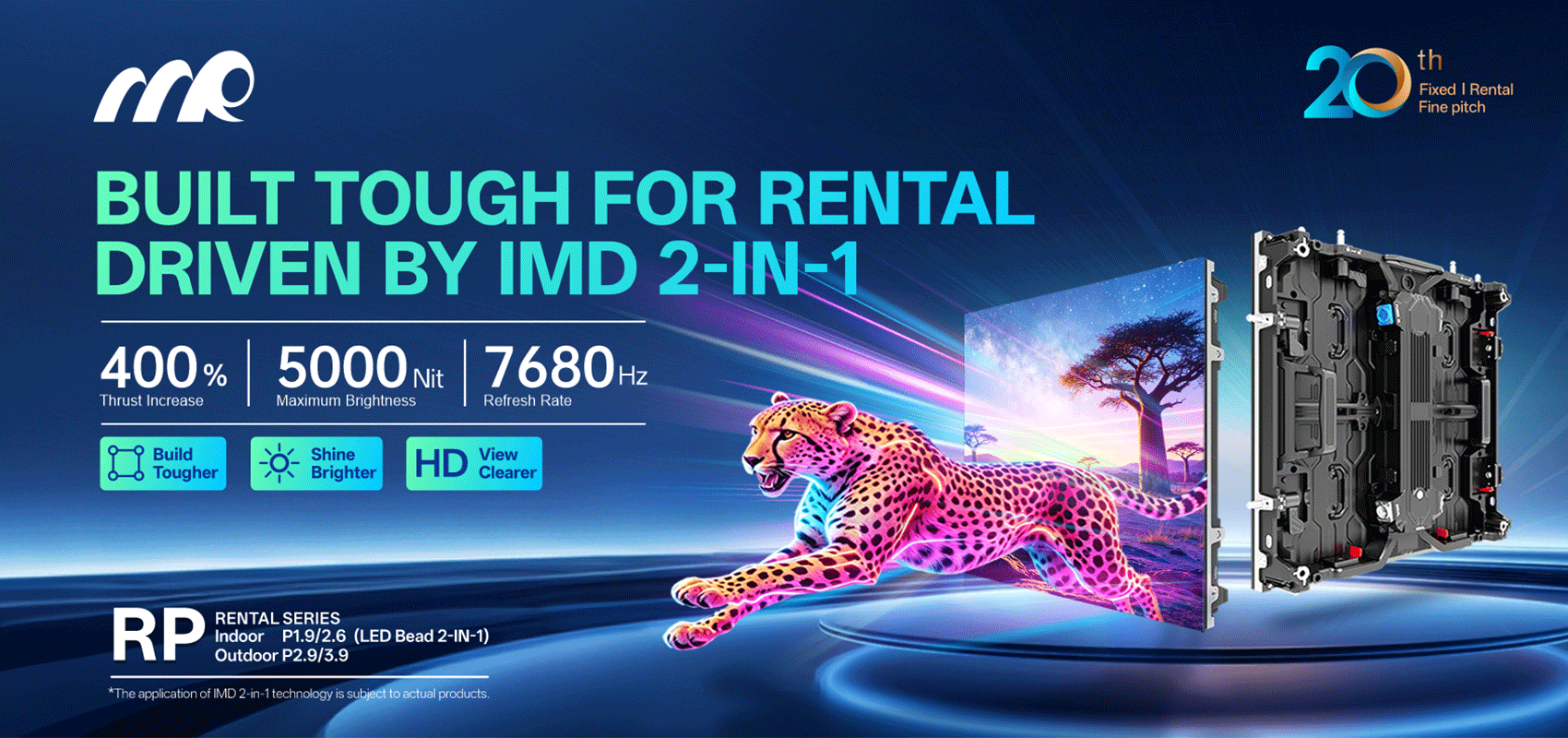

User-first framing — why the edge matters
When you specify a thin LED screen for a stadium façade or a retail façade, the perimeter is where reliability and usability meet — and that matters to you more than aesthetics. This piece explains how soft-rubber top cushioning and tuned impact mechanics change installation, safety, and longevity for end users and operators. If you’re comparing vendors or drafting specs, start with practical led display solutions that treat the cabinet edge as a functional element, not just a trim detail.
What soft-rubber cushioning does for thin panels
Soft-rubber top cushioning acts as a sacrificial interface: it absorbs shocks during transport and protects fragile diodes when panels are bumped during rigging. For ultra-thin cabinets the cushion reduces point loads that otherwise transfer into the PCB and LED modules, lowering micro-fracture risk. The materials and durometer are simple engineering choices that yield big operational benefits — reduced downtime, fewer warranty claims, and easier handling for install crews.
Impact mechanics: design choices that change real performance
Impact mechanics in a perimeter-led approach mean designing the cabinet geometry so forces are distributed across ribs and mounts instead of concentrated at corners. A well-designed frame uses geometry, not just padding, to spread energy; think of a thin screen as a shell. Industry terms to keep in your spec sheet: pixel pitch for visual fidelity, cabinet design for structural integrity, and IP rating for weather resistance. These choices affect not only image quality but also service cycles and repair time.
Field realities — what happens on-site
Out in the field, whether you are mounting a city billboard or a festival screen at a concert, practical stresses show up fast: drops during load-in, pedestrian bumps, and sudden gusts of wind. Real-world anchor: consider the resilience required for Times Square New Year’s Eve displays — they need predictable behaviour under crowd and weather pressure. Using perimeter cushioning plus robust impact geometry buys you predictable service life. And when planners ask for festival-grade installs, point them to tested festival screen systems that combine soft-rubber protection with secure latching. Installation crews appreciate the reduced fingertip fatigue — and they return that value in cleaner, faster installs.
Common mistakes and practical alternatives
Teams often assume a thicker cabinet equals toughness; that mistake leads to heavier rigs and more structural cost at the venue. Another frequent error is over-relying on surface padding without addressing frame stiffness — padding alone can fail after repeated impacts. Alternatives: reinforce the internal ribs, specify replaceable rubber caps for corner protection, or choose modular cabinets that isolate damaged modules for quick swaps. Thermal management mustn’t be ignored; thin screens still need ventilation paths or passive cooling fins to protect the electronics and maintain a steady refresh rate.
Advisory — three golden metrics for selection
1) Impact absorption rating: request lab data showing energy dissipation at the perimeter (expressed in joules or a comparative drop test). 2) Modularity score: how many minutes to replace a single cabinet or module in the field; aim for under 15 minutes for festival-grade systems. 3) Mean time between failures (MTBF) and verified field uptime — prefer suppliers with event references and documented uptime for high-traffic installations. These metrics let you compare vendors on concrete terms, not marketing lines. Choose the one that keeps your installation predictable and your operations lean — and if you need a practical partner, consider MR LED. –