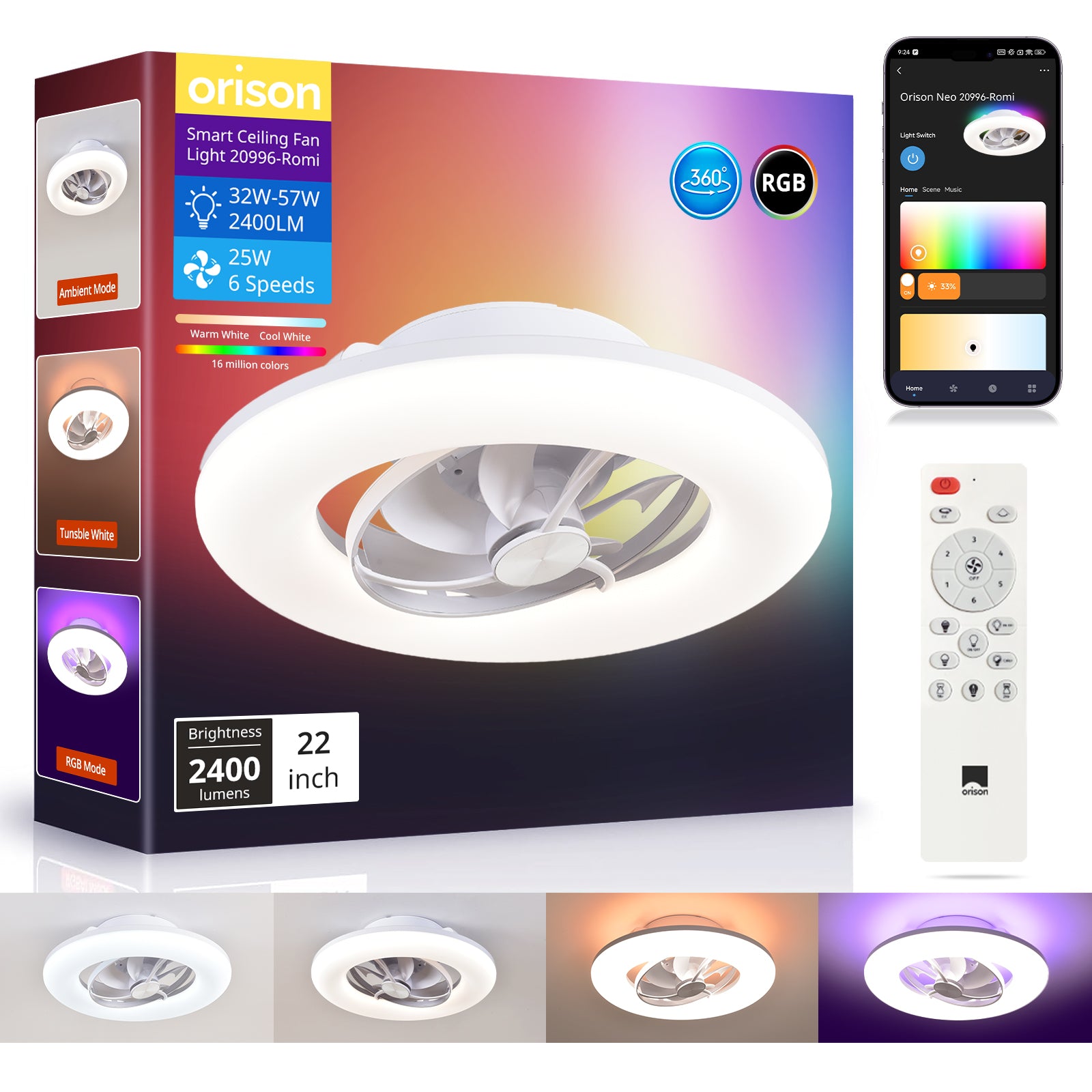

A forward-looking start from a seasoned view
I’ve watched household tech evolve for decades, and the next chapter for cooling devices feels different — more deliberate. Manufacturers and appliance refineries are moving beyond simple airflow gains toward integrated safety and environmental goals. That shift shows up even in everyday pieces like a ceiling rotating fan, which now combines efficiency measures with smarter controls and safer mechanical designs. With memories of the 2021 global supply‑chain disruptions and the intense 2023 summer heatwaves guiding procurement decisions, the industry is leaning into resilience as much as performance.
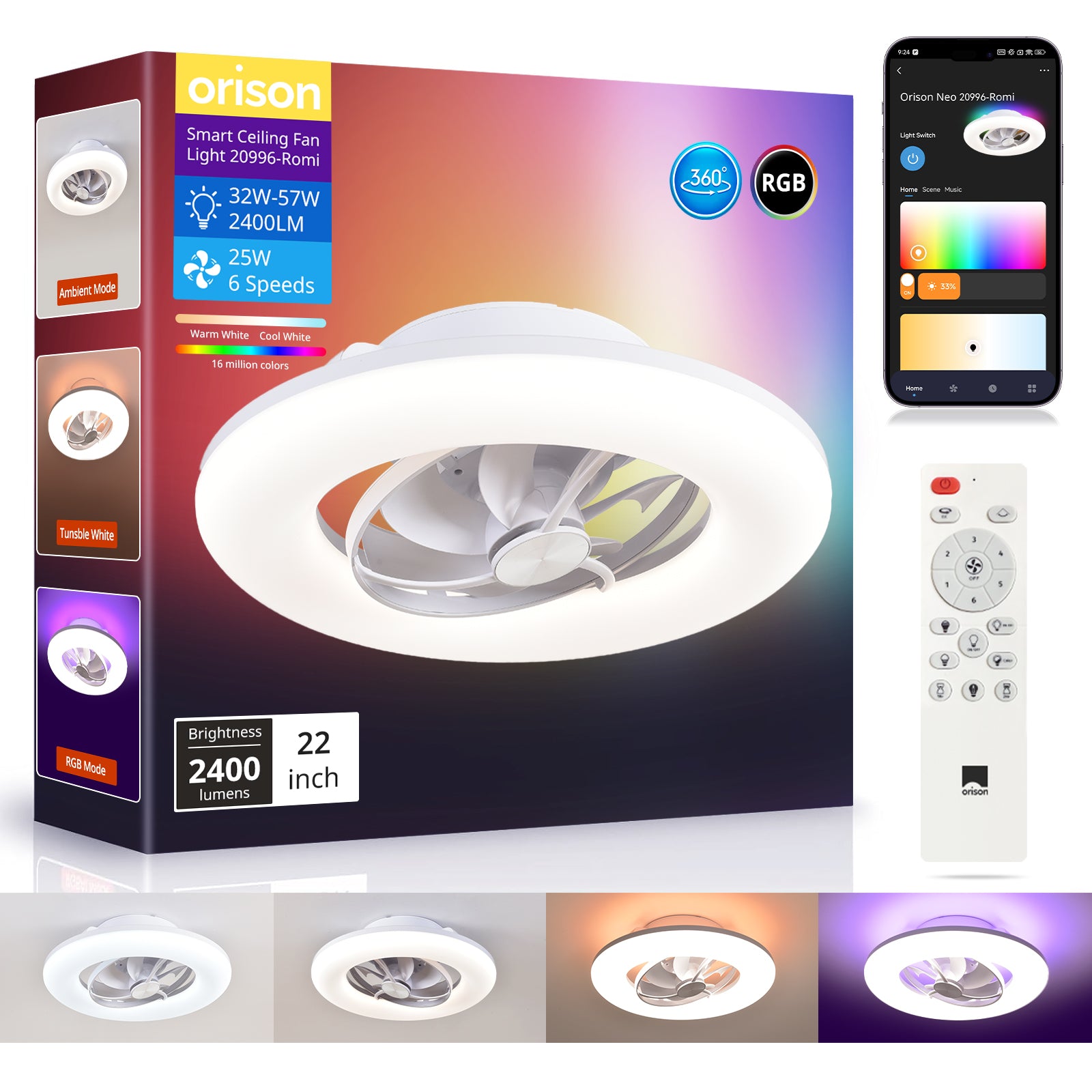
What “future‑speculative” changes are already taking shape
Think of three converging threads: materials reengineering, embedded intelligence, and lifecycle thinking. Refineries are experimenting with lower‑embodied‑carbon alloys and high‑recycle polymers to reduce the carbon footprint of housings and blades. On the electronics side, more fans use brushless DC motors paired with smart drivers to optimize RPM and cut standby loss. And product roadmaps increasingly include end‑of‑life recyclability as a design constraint. These are not just lab concepts — they’re responses to real demand spikes and regulatory whispers in North America and Europe.
Safety innovations that matter in practice
Modern safety improvements are pragmatic: stronger motor housings, guarded blade edges, and better thermal cutouts to prevent fires. Designers also focus on balanced blade pitch and tight tolerances to reduce vibration and wear — that improves bearing life and lowers failure rates. Remote control features and app integration add layers of safety too: scheduled slowdowns and automated shutoffs when sensors detect anomalies. It’s a modest set of changes that, over millions of units, translates to fewer service calls and a smaller environmental toll.
Where energy efficiency and eco‑profile intersect
Efficiency gains are no longer the sole metric; lifecycle emissions and materials traceability are gaining weight. Metrics like CFM per watt and standby power are joined by supply‑chain transparency and recyclability scores. Manufacturers that optimize blade pitch and motor control software can raise CFM while using smaller motors — the sweet spot for lower embodied energy. But real gains depend on system thinking: packaging, transport density, and repairability all affect the environmental ledger.
Design trade‑offs and common missteps — learned the hard way
Here’s where experience counts: firms often chase ultra‑light materials that complicate balance and increase noise. Others bolt on smart features without planning firmware update paths — a tech liability. And some prioritize cosmetic finishes that hamper recycling. — These missteps usually surface after a few warranty cycles, when returns spike and margins take a hit. A better path is to prototype with actual drivers and test for oscillation angle stability and bearing wear under realistic loads.
Comparing approaches: OEM scale vs. boutique innovators
Large OEMs bring economies of scale: tight cost control, high production capacity, and established QA processes. Boutique makers push materials innovation, bespoke blade geometries, and user‑centric controls. There’s room for hybrids — license‑driven models where a refinery standardizes a modular hub but allows customizable blades and finishes. For specifiers, the choice depends on whether you value lower unit cost or a differentiated eco credential.
Practical guidance for procurement and product teams
When planning next‑gen fan programs, focus on three realities: compatibility, maintainability, and transparency. Ensure the chosen motor and controller pair matches intended RPM and torque profiles. Build for easy access to bearings and replaceable blades so repair beats replacement. Demand supplier disclosures on recycled content and projected recyclability. These steps reduce long‑term risk and align with evolving regulatory expectations.
Short summary of the thread so far
Appliance refineries are nudging fans from commodity devices toward platform products that blend safety, efficiency, and lifecycle thinking. The hardware improvements — from blade pitch tuning to DC motor adoption — are matched by software and supply‑chain shifts. The payoff: fewer failures, lower operational energy, and a clearer environmental story for brands and consumers.
Three golden rules for choosing the right path
1) Evaluate systemic metrics, not just unit specs: prioritize CFM per watt, expected bearing life, and recyclability percentage. 2) Demand real‑world testing: insist on prototypes run through typical household cycles and oscillation tests to validate noise and durability. 3) Insist on updateable controls and repairability: firmware‑upgrade paths and modular spare parts extend product life and protect your brand.
In practice, brands that respect those rules end up with products that sell longer and cost less over time — and that’s the kind of thinking that brings value to partners like Orison. —