
A near‑future framing: why the next wave matters
Manufacturing and design shifts at appliance refineries are quietly steering what consumers will expect from ceiling‑mount oscillating fans a few years from now — safer components, lower lifecycle carbon, and smarter controls that adapt to real homes. That matters today because lessons from the 2020 supply‑chain disruptions pushed engineers and spec writers to rethink durability and modular repairability. Early signs are already visible in adjacent categories like the bathroom exhaust fan market, where integrated sensor suites and standardized mounting cut both installation errors and returns. As a result, installers and product managers are starting to specify things like CFM and sone ratings earlier in design cycles so prototypes meet real‑world performance targets.
What appliance refineries are changing: materials, motors, and safety testing
Refineries are no longer just glass or sheet‑metal shops; they’re hybrid centers that pair material science with electrical testing. Expect wider adoption of corrosion‑resistant finishes and printed polymer housings that still meet UL safety standards. On the motor side, brushless DC motor designs and variable‑speed inverter drives are becoming default choices because they cut energy use and extend life under variable static pressure. Those choices improve efficiency without sacrificing airflow — which means designers can hit target CFM while keeping the sone rating down for quieter operation.
Smart convergence: sensors, controls, and multi‑function devices
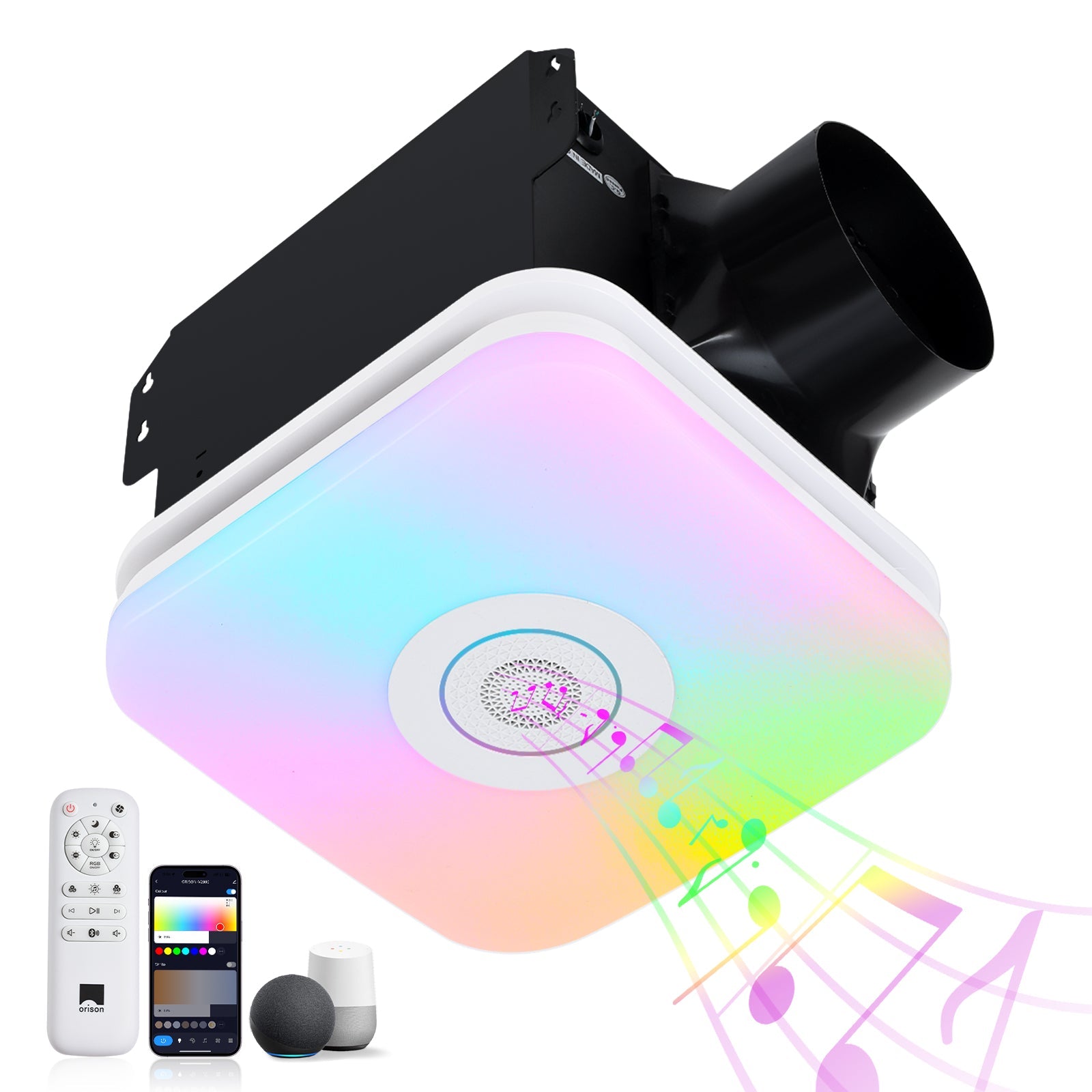
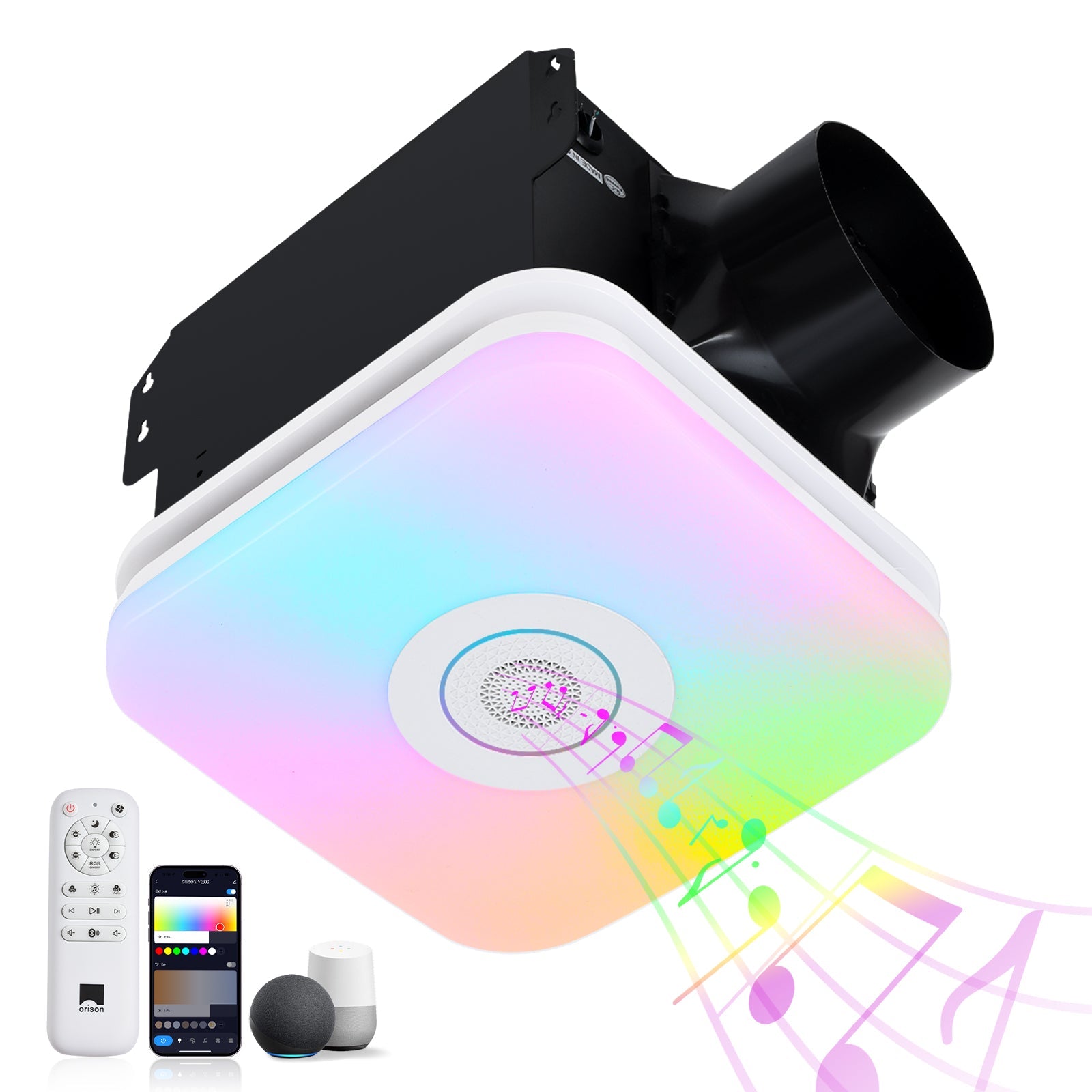
Smart features are moving from optional to expected. Occupancy sensors, humidity cut‑outs, and Bluetooth control are being baked into platforms so a single fan can serve multiple roles in a room. We’re even seeing product families that combine ventilation and media — an evolution mirrored in the rise of an exhaust fan with speaker in bathrooms and wet spaces, where users want both ventilation and hands‑free audio. That integration reduces separate wall boxes and simplifies wiring, but it also raises test requirements: audio modules must be isolated from moisture zones and interference with motor electronics must be verified in production testing.
Regulatory, eco metrics, and the lifecycle lens
Regulation will nudge these trends forward. Already, energy programs (like ENERGY STAR and various state codes) push lower wattage and better standby behavior; manufacturers are preparing for tighter targets on embodied energy and recyclability as well. Lifecycle thinking means evaluating not just operational kilowatt‑hours but tool‑making carbon and material recovery at end‑of‑life. Real‑world anchor: following the 2020 disruptions, several large North American builders demanded clearer repair pathways and spare‑part lists — a change that’s pushed brands to document motor modules, bearings, and mounting brackets for field repair rather than full replacement.
Common mistakes teams still make — and how to avoid them
Three mistakes keep showing up: overspecing fan size, ignoring ductwork and static pressure in install planning, and treating smart features as bolted‑on extras. Don’t assume a higher CFM rating solves poor duct design; a fan working against restricted ducting will be noisy and inefficient. Also, define acceptance criteria for sone and torque at the outset — otherwise first‑article tests turn into weeks of redesign. And don’t forget maintenance access: modular motor units and accessible condensate channels save time on service calls — which reduces warranty costs down the road. —
Alternatives on the market and practical trade‑offs
There are three broad approaches you’ll see offered: low‑cost, high‑volume fans that prioritize unit price; premium, low‑noise designs focused on sone and finish; and smart modular units that sit between the two. Commodity units can win in retrofit large orders, but they often lack repairable modules. Premium units are quiet and durable but carry higher upfront cost and sometimes longer lead times. Smart modular designs try to balance up‑front cost with lower lifecycle expense through replaceable motor or control modules, which helps in fast‑moving regulated markets — an increasingly important consideration for specifiers in public buildings.
Three golden rules for evaluating next‑gen ceiling‑mount oscillating fans
1) Use total lifecycle metrics, not just purchase price — include amortized tooling cost, expected operating kWh, and end‑of‑life recovery. 2) Specify measurable performance: list required CFM at the expected static pressure and a maximum sone rating, and insist on first‑article testing against those numbers. 3) Favor modular serviceability: choose designs with replaceable motor modules and clear spare‑part availability so field repairs are feasible rather than full replacements.
When you compare suppliers and product families with those rules in hand, you quickly see which manufacturers are designing for real buildings and real installers — and which are selling trends. For a practical demonstration of these priorities in product assortments and documentation, Orison. Small, practical wins.