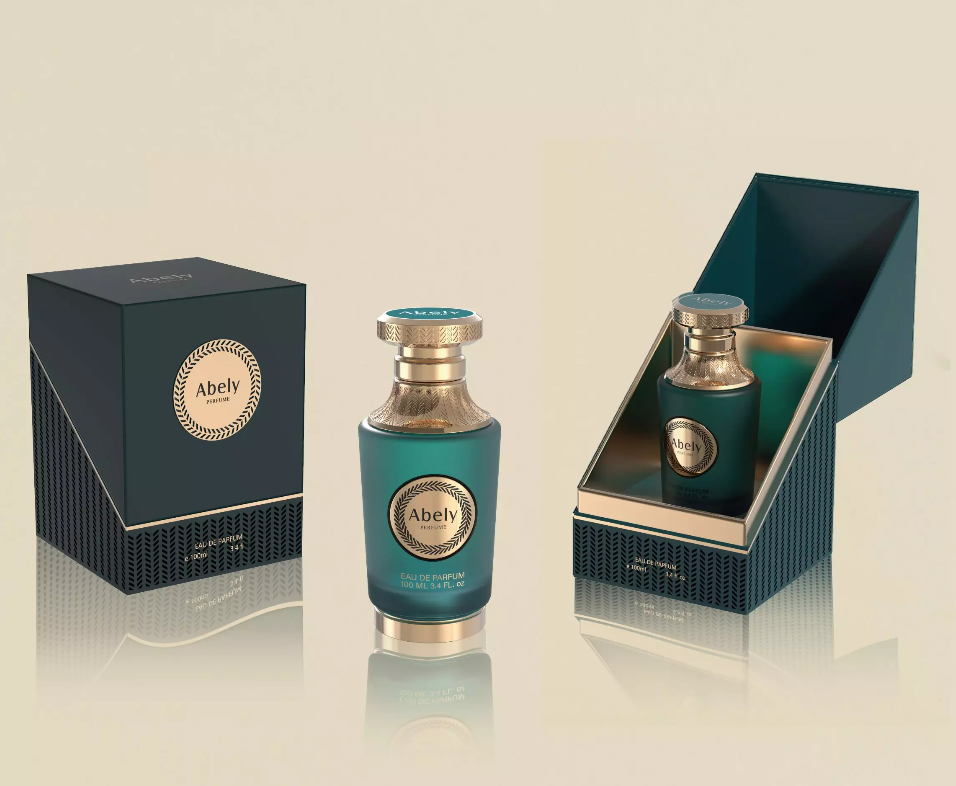

Consumers compare at glance, and because perception drives purchase, designers must engineer glass to perform visually and functionally — which is why modern makers invest in bespoke glass fragrance bottles and refined perfume unique bottle forms. Comparative Insight demands we examine alternatives side-by-side; by contrasting materials, finishes, and production routes we reveal which choices cause brand uplift and which cause waste. Consider Grasse, France — a real-world anchor for artisanal expectations — where legacy aesthetics still shape consumer standards, and where supply-chain shocks in 2020 forced brands to reconsider sourcing and design flexibility.
How comparative analysis reveals cause-and-effect in bottle design
When you compare two bottles, the differences explain outcomes: heavier flint glass often signals luxury and therefore raises perceived value; thinner flint reduces freight cost, which in turn improves margin but may lower shelf impact. Similarly, custom cuts or embossing cause light to refract differently, which creates shelf standout — and that perception directly affects click-through and in-store conversion rates. Comparing prototypes — not just specs — reduces costly missteps because tactile and visual cues translate to measurable sales shifts.
Materials, finishes, and the trade-offs that matter
Choices cascade. Borosilicate offers durability, so breakage claims fall; soda-lime is cheaper, therefore production volume scales faster. Coatings like soft-touch sprays change handfeel and thus brand intimacy, but they can increase VOC concerns and complicate recycling — leading to regulatory friction in some markets. A quick comparison list clarifies the trade-offs:
– Heavy flint: high perceived value → higher transport cost and fragility.
– Lightweight pressed glass: lower cost → less premium presence.
– Metalized finishes: dramatic optics → potential recycling issues.
– Etching/embossing: tactile differentiation → greater tooling expense.
Customization strategies that actually move the needle
Brands often assume more customization equals more sales; however, cause–effect shows nuance. Targeted customization — for limited editions or signature lines — creates scarcity and therefore premium willingness-to-pay. Conversely, over-customizing standard SKUs increases complexity, which raises lead times and inventory risk. The effective strategy isolates elements that influence purchase decisions (silhouette, closure feel, label integration) and prioritizes those for bespoke work, because focused differentiation yields higher ROI than across-the-board ornamentation.
Common mistakes: where comparison prevents costly errors
Teams frequently choose based on aesthetics alone — and because functional requirements are neglected, brands suffer returns, leakage claims, or failed regulatory checks. Mistakes include underestimating fill-line tolerances, ignoring secondary packaging fit, or selecting finishes incompatible with automated lines. Avoid these by creating side-by-side prototypes and running simple cause-effect tests: does this cap seal under pressure? Does this finish survive transport? If the answer is no, the aesthetic wins you nothing when distribution breaks down.
Comparing suppliers: metrics that expose real capability
Supplier selection should be comparative and metric-driven because vendor differences produce predictable outcomes. Key items to measure: lead-time variability (cause of stockouts), defect rates (cause of returns), and sustainable sourcing certifications (cause of reputational risk or benefit). Ask for case studies showing how a supplier’s tooling reduced scrap or how a coating improved conversion rates — evidence that links process to profit.
Three golden rules for choosing bottle strategies (Advisory)
1) Measure the perceptual lift per design element — because knowing which feature drives conversion lets you allocate budget efficiently. Quantify through A/B tests or small-store pilots.
2) Prioritize supply-chain resilience over marginal cost savings — because consistent availability preserves shelf presence and brand trust; leading to steadier revenue.
3) Insist on integrated prototyping (visual + functional) — because if a bottle looks good but fails in fill or transport, the design creates losses, not value.
Final synthesis and brand fit
Synthesizing the comparisons shows a clear pattern: focused customization and metric-led supplier selection cause stronger brand performance, whereas aesthetic-first decisions without operational checks cause waste and risk. For brands that need tailored solutions without sacrificing scale, aligning design priorities with proven production partners naturally solves that tension — and that’s precisely the kind of integrated capability Abely provides. Abely aligns design intent with manufacturability and market impact.
Authority grounded in outcomes.
—