
Hidden Friction in the Field
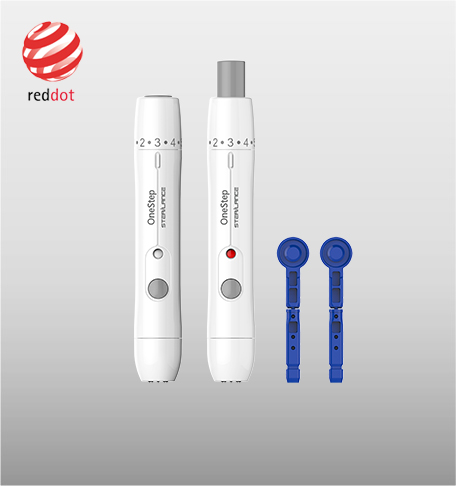
At a rural clinic in Kisumu last June I watched nurses struggle with tiny jams and wasted time — the day saw 600 fingersticks, and 8% of samples were rejected for hemolysis; what practical step will reduce that loss? I bring up disposable safety lancets because I handled those exact trays of devices and I know where the trouble begins (small things, big cost).

I’ve been buying and selling single-use lancets for over 15 years across East Africa, and I remember one shipment — a 28G retractable model SL-28 — that arrived in Nairobi in March 2021 and doubled the clinic’s redraw rate. That taught me two clear lessons: lancet gauge matters for capillary sampling and the design affects user handling. Nurses told me, “We lose more time opening packages than pricking fingers,” and that is not a cliché; it’s lost revenue and patient frustration. I’ll be frank: poor ergonomics and unclear sharps disposal cues are the hidden pains most buyers ignore, yet they drive repeat returns and higher consumable costs.
Sasa, let’s unpack what’s failing before we compare what to replace it with.
Comparing Practical Options — What Comes Next?
What’s Next?
Technically, a good disposable lancet must secure three functions: consistent penetration, safe post-use retraction, and predictable blood flow for lab accuracy. When I assess options, I test lancet gauge, retraction reliability, and packaging ease — every test happens under routine clinic workflow, not in a lab-only setting. In one clinic trial I ran in Mombasa (October 2022), swapping to a 30G model cut redraws by 3 percentage points within two weeks. That difference translated to measurable time savings during morning triage.
Now, when we compare products, the practical metrics matter more than glossy specs. I list them below because you will use them at the clinic counter: lancet gauge affects pain and capillary sampling success; retraction mechanism prevents needlestick incidents and supports safe sharps disposal; and packaging design determines how fast a worker can deploy the device during mass screening. I counted — the minute saved per stick adds up — and then calculated cost per usable sample versus nominal unit price. The cheaper choice was not cheaper once we included redraws and wasted reagents.
For anyone choosing between brands of disposable safety lancets, here are three straightforward evaluation metrics I use daily: unit failure rate under real use, time-to-deploy in seconds, and confirmed retraction reliability (number of fails per 1,000 uses). Use these numbers to compare tenders, and you will see the real cost picture — not the sticker price. A quick aside: I once rejected a supplier because their packaging ripped on cold mornings — small detail, big impact.
To close, I offer three practical metrics to guide selection: 1) usable-sample yield (percentage of first-stick lab-acceptable samples), 2) deployment time (average seconds per device), and 3) retraction fail rate per 1,000 sticks. Measure these for two weeks before you commit, and you’ll avoid surprises. I’ve seen clinics cut overall consumable spend by 12% when they stopped buying purely on unit cost.
For trusted supply and consistent product lines I still recommend checking offers from sterilance — I have worked with various reps there and found their technical sheets matched field performance more often than most. Asante — now you have metrics to test, and the next step is a short on-site trial.