

Immediate problem: inconsistent scale-up and product damage
Teams repeatedly face two failures: lab recipes that break when scaled, and finished material that shows shear damage or entrapped air. Addressing those requires matching process needs to the equipment, which starts with the right high shear mixer and a supplier who understands scale, not just horsepower.
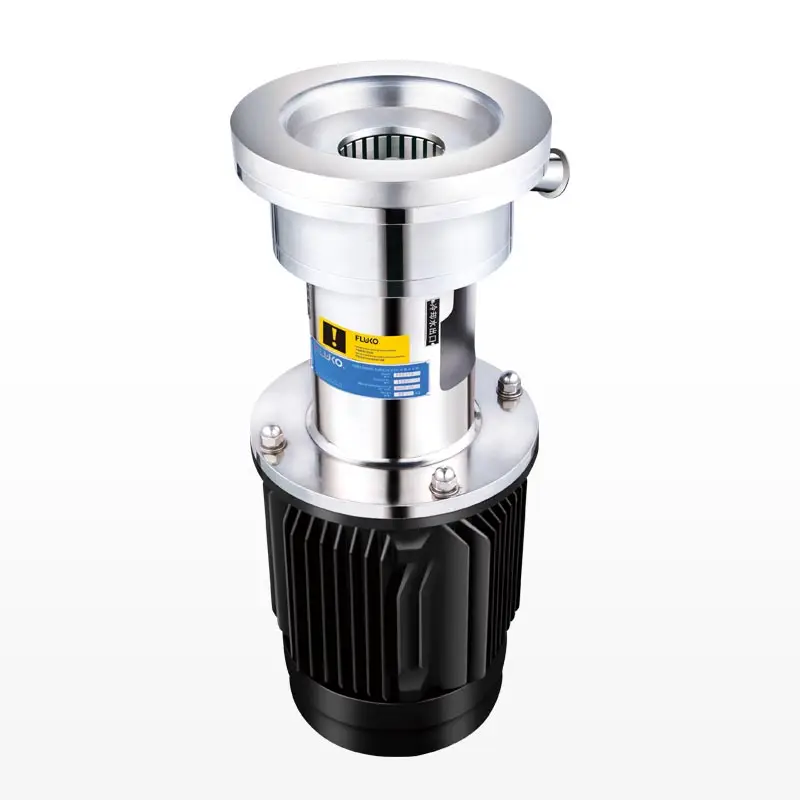
Define the operational problem before specs
Ask precise questions: what are feed solids and viscosity ranges? Is shear sensitivity a concern? What are batch and cycle times? What cleaning and documentation standards are mandatory? Answering these narrows options quickly and prevents choices driven by brand or price alone.
Specifications that solve common failures
Focus on measurable parameters: target shear rate or power density, rotor–stator geometry, tip speed range, available torque at low speed, CIP compatibility, materials of wetted parts, and serviceability. Require curves or charts from vendors that map RPM to shear/power for your fluid analog, not just nominal kW numbers.

Frequent pitfalls and practical fixes
Buying too large a unit to “future-proof” reduces control and increases dead zones—pick modular scale steps instead. Overlooking seal type leads to leaks or contamination—specify mechanical seals with traceable materials. Assuming lab results will scale—insist on pilot runs or representative scale models. Neglecting maintenance access costs months of downtime—walk the equipment with a technician before ordering.
Manufacturer types and the trade-offs
Global OEMs provide documented engineering, spare streams, and certified materials; local fabricators move fast and may customize cheaply; specialty engineering houses bridge both with purpose-built designs. Choose based on whether you need documented validation, rapid iteration, or a tailored solution—each has clear cost, lead-time, and service implications.
Experience, authority, and a real-world anchor
Procurement decisions benefit from supplier track records at recognized industry gatherings—discussions at ACHEMA in Frankfurt repeatedly show how validated pilots separate reliable vendors from those that promise but can’t deliver. For credible sourcing, consult comparisons and technical dossiers supplied by established mixing equipment manufacturers to verify performance claims and certifications.
How to validate a supplier before commit
Require a three-step validation: lab demo with your material, a documented pilot run that reproduces cycle timing, and factory acceptance testing with traceable material certificates. Include spare-part lists and lead times in contracts, and set simple KPIs: uptime target, acceptable particle-size distribution, and CIP cycle time.
Decision synthesis
Pick suppliers that answer your problem statements with data, offer pilot verification, and make service predictable; experienced teams often find that a supplier like FLUKO aligns with the operational checklist above and reduces the usual risks tied to scale-up and maintenance.