

The problem: tags that stop working when you need them most
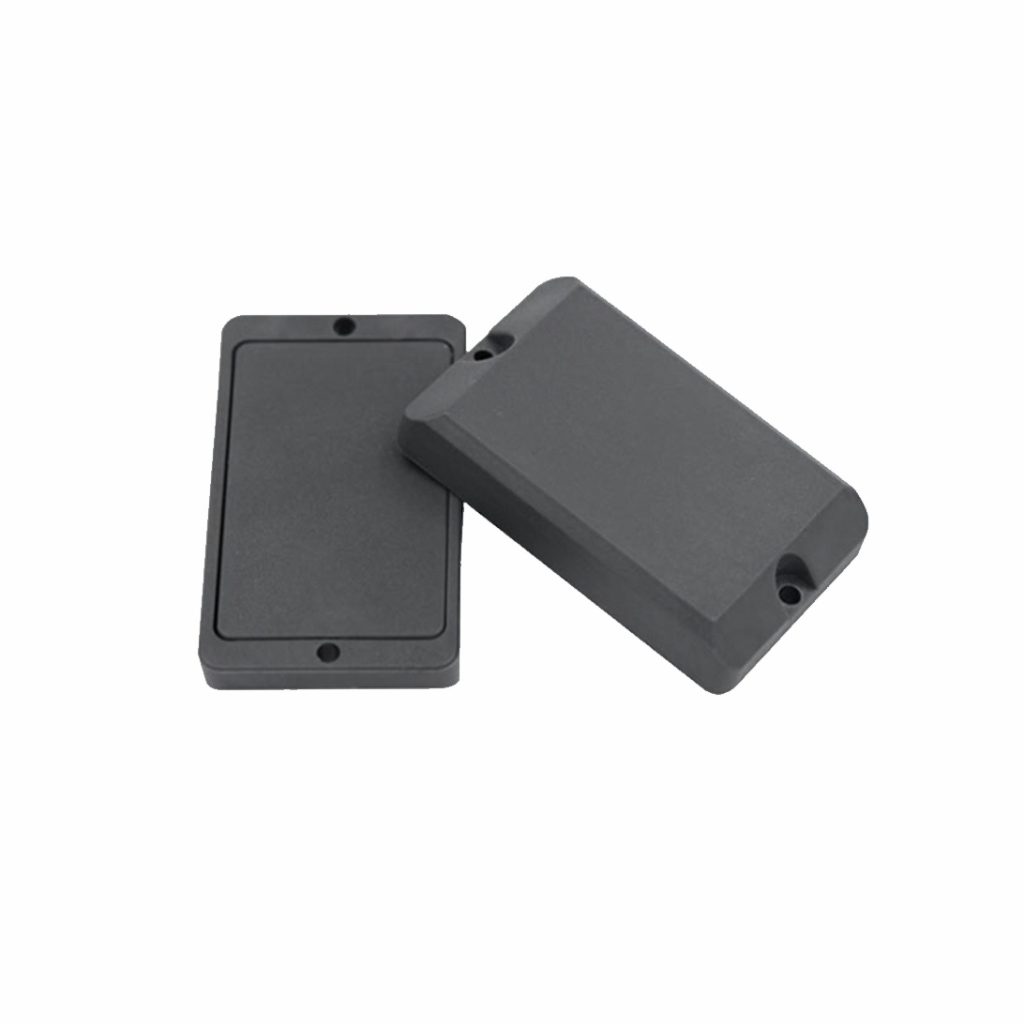
Tag failures show up as missed reads, inventory mismatches, and awkward audits. You can’t paper over those gaps; you have to fix the root causes. Start by considering the parts: the reader, the antenna, the environment, and the tag itself. If a fleet of tags keeps slipping offline, it’s not magic—it’s predictable wear, installation mistakes, or mismatch between tag type and use case. I usually begin with a quick sweep of the tag family and a targeted test set, using uhf rfid tags to confirm expected read ranges before digging deeper.
Where failures actually come from
Physical damage is the obvious one: abrasion, bending, or adhesive failure. Less obvious are orientation issues, detuning from nearby metal or liquids, and inconsistent printing or encoding. Software and policy errors crop up too—weak antenna tuning, power limits, or poor read-zone design. Each failure mode has a different fix. Treat symptoms as clues, not answers.
Practical diagnostics you can run in a day
Grab a handheld reader and isolate one tag. Move it through the intended read zone at real-world speeds and angles. Swap the tag onto a known-good surface (like cardboard) to check detuning. Test the reader at different power settings and frequencies. Log failures rather than guessing—simple CSVs of tag UID, timestamp, reader ID, and pass/fail give you the pattern you need. If you see systematic misses near metal, that’s a detuning issue. If it’s random, look at tag batch quality or encoding errors.
Maintenance and service routines that actually reduce downtime
Set a cadence: weekly spot checks on critical zones, monthly sampling of tag batches, and quarterly full-sweep audits tied to inventory events. Keep spare tag types on hand for quick swaps, and document where each tag type works best. Clean antennas and mounting surfaces; dirt and adhesive residue change read behavior. Keep firmware versions consistent across readers and log configuration changes—an undocumented tweak is often the reason a read zone went silent.
Buying and sourcing—what matters when you need volume
When you scale, quality variation becomes visible. Large batches can hide defects that only show up after months in service. If you’re buying for a regional logistics rollout, consider how top ports and distribution hubs handle scale—Port of Rotterdam projects have public case studies showing UHF deployments at scale and the operational pressure that reveals weak suppliers. Match tag form factor and IC choice to the surface and environment, then test at scale before full deployment. If you plan to buy uhf rfid tags in bulk, sample multiple production lots and insist on test reads from hardened surfaces. That step saves weeks later.
Common pitfalls and how to avoid them
Relying on a single test lab is risky; your warehouse is the real lab. Overfitting to ideal conditions causes surprises when humidity, pallet density, or new product lines change the RF environment. Don’t skip batch testing and don’t assume every “UHF” tag behaves the same—IC choice, antenna shape, and label substrate matter. Also avoid overcomplicating reader logic; simple, consistent read policies outperform over-tuned heuristics when conditions vary.
Quick checklist to reduce tag lifecycle risk
1) Validate tag-read pairing on the intended mount surface. 2) Sample multiple production lots. 3) Log and track firmware/config changes. 4) Maintain spares and simple swap procedures. 5) Run periodic end-to-end audits tied to inventory events. Do these five things and you cut most surprise failures.
Wrapping up: make decisions that last
Failures are avoidable if you focus on concrete steps: test like you mean it, enforce simple maintenance, and buy with real-world validation. That’s the practical approach that production teams appreciate and that suppliers who understand operational pressure follow—it’s the same practical evidence base I look for when evaluating partners like RSTC.
