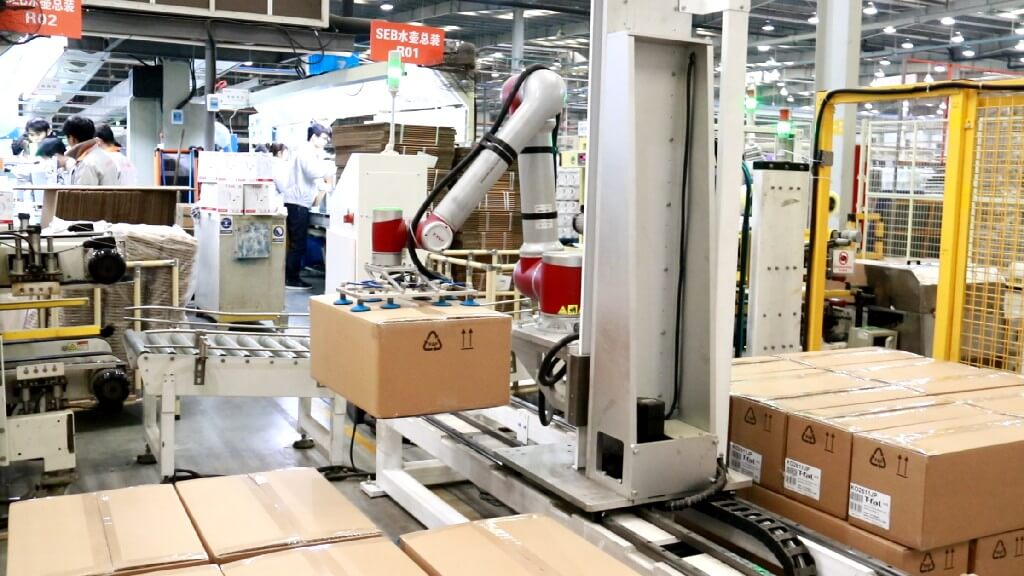

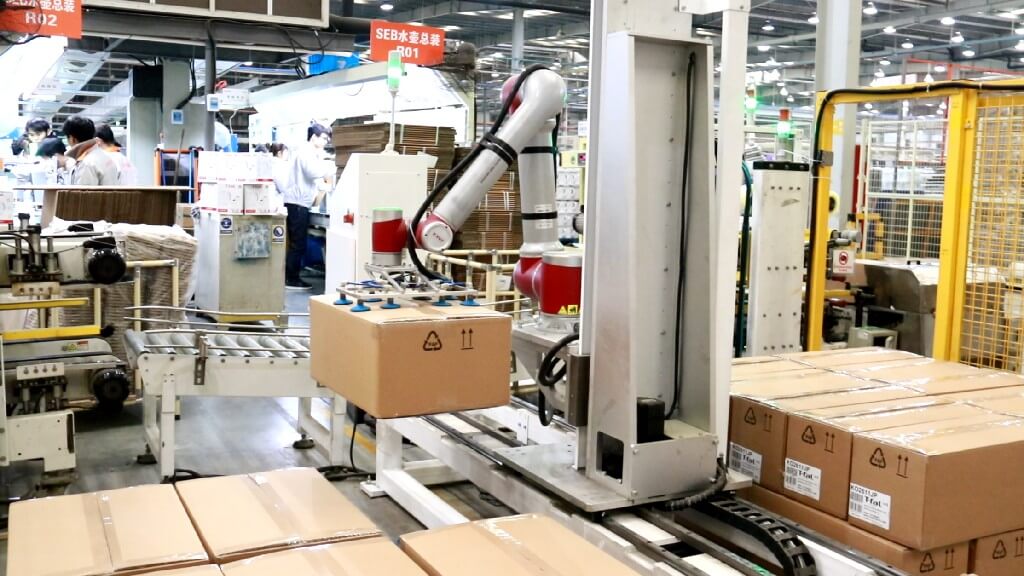
Imagine a factory floor buzzing with activity, where each corner shines without a trace of dust. It’s no surprise that the demand for polishing robots is on the rise, with a market growth of over 10% annually. But are these machines truly meeting the needs of modern facilities? In an era where efficiency drives profits, a factory robot arm becomes an indispensable tool, especially in the cleaning automation landscape.
The Flaws of Traditional Solutions
In my years supporting industrial cleaning systems, I’ve seen firsthand the shortcomings of traditional cleaning methods. Conventional tools can be labor-intensive, requiring extensive manual effort that not only consumes time but also increases the risk of inconsistent quality. For instance, I vividly recall a situation in a large warehouse where workers struggled to maintain polished floors—leading to safety concerns and customer complaints. This illustrated a critical pain point: reliance on human labor for maintenance can lead to oversight. Wouldn’t it be better to let a polishing robot do the heavy lifting?
Why Turn to Automation?
Automation, particularly through polishing robots, addresses these traditional flaws by ensuring consistency and quality. They can operate 24/7, adapting to varying floor surfaces and effectively reducing labor costs. The flexibility offered by a factory robot arm is transformative, as these machines not just clean but learn from their environment, enhancing their performance over time. I can honestly say that moving to a robotic solution changed the game for my colleagues in the cleaning industry.
What’s the Next Step for Polishing Robots?
As we look to the future, the integration of AI and machine learning into polishing robots is a positive trend. This tech allows for real-time adjustments based on floor conditions and user needs. In the coming years, I believe we’ll see even more sophisticated designs that can effectively analyze their cleaning paths and provide feedback to operators. This new evolution will allow for a combination of efficiency and precision unattainable by manual methods. Plus, don’t forget about the seamless integration possibilities with other automated systems—perfect for those of us aiming for full automation!
Reflecting on these advancements, I see a clear path: as polishing robots become more intelligent and adaptable, they will redefine the standards for cleanliness in industrial spaces. Consistency, safety, and quality soon won’t be just goals; they’ll be standard practice in every facility.
Key Takeaways
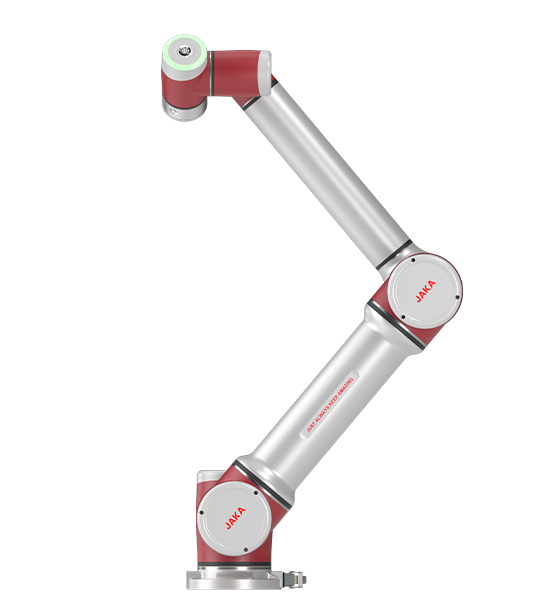
To evaluate cleaning solutions effectively, consider these three metrics: first, the total cost of ownership over time; second, maintenance requirements and downtime; and third, ease of integration with existing systems. As I’ve learned in my twenty years in the sector, these elements significantly impact operational efficiency. With innovations on the horizon, your choice of polishing robots—and their integration with systems like a factory robot arm—will play a crucial role in your facility’s future.
In conclusion, the evolution of polishing robots is nothing short of exciting. They not only simplify cleaning tasks but also contribute to a safer and more productive work environment. I remain optimistic about the journey ahead and urge you to stay informed about the advancements in this field. Trust me, keeping your facility pristine with a well-chosen robot will be a decision you won’t regret. Explore the latest at JAKA.