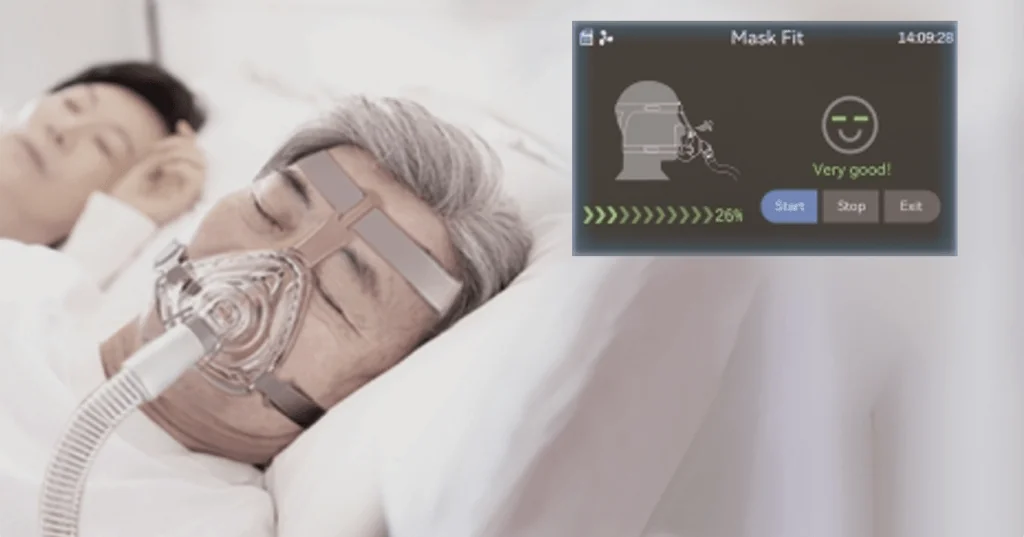
Comparative snapshot: why this matters now
Comparing today’s devices highlights where patient outcomes actually improve — not just where specs look good on paper. With an estimated 22 million Americans affected by sleep apnea, according to the CDC, choices in therapy matter clinically and practically. Clinicians and home-care coordinators increasingly evaluate features such as auto-CPAP algorithms, mask interface comfort, and pressure titration accuracy. If you want a concise device example early, consider a modern cpap device that blends quiet blowers with adaptive therapy logic.
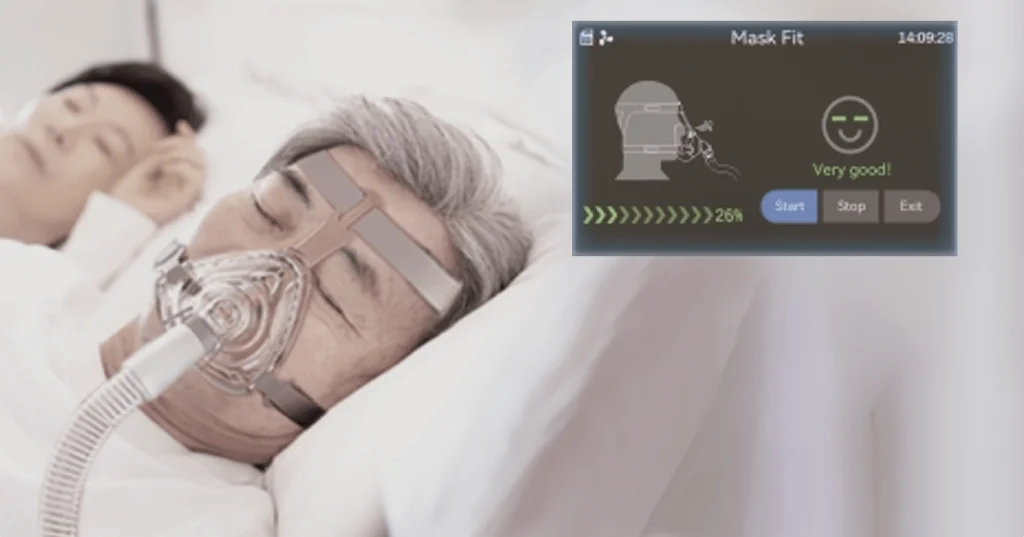
Key technical differences that change outcomes
Not all CPAPs are equal. Three engineering layers make the biggest difference: the blower and pressure control, the algorithm that adapts to respiratory events, and the mask interface that preserves seal without discomfort. Pressure titration and exhalation relief directly affect adherence because patients tolerate therapy better when inhalation and exhalation feel natural. Auto-CPAP modes reduce hours of manual retitration, lowering the apnea-hypopnea index (AHI) for many users. Device firmware and remote-monitoring telemetry determine how swiftly clinicians can intervene when adherence drops or leaks spike.
Clinical context and a real-world anchor
Data and on-the-ground experience align: devices with reliable leak management and adaptive pressure control routinely show improved AHI and nightly usage. The CDC prevalence number underscores the scale — home-treatment tools need to be scalable and robust. Hospitals and sleep centers in Boston and other tertiary-care hubs report fewer return visits when devices include remote-monitoring and clear adherence dashboards. In operational production teardowns, engineering teams often track {main_keyword} and {variation_keyword} as baseline metrics alongside leak rates and event indices.
Alternatives, common mistakes, and when BiPAP enters the conversation
Comparative thinking means weighing alternatives. BiPAP is the clear move when hypoventilation, COPD overlap, or high pressure needs make single-level therapy inadequate — which is where a bipap device becomes a practical choice. Common mistakes include oversizing pressure targets, ignoring mask comfort, and deferring firmware updates that fix leak-detection errors. — Clinicians should resist swapping devices purely on brand familiarity; review objective telemetry first.
Practical checklist for selection and deployment
Make selection concrete with three operational checkpoints: confirm the device supports clinically validated auto-titration profiles; verify remote monitoring and data export meet your clinic workflow; and trial mask interfaces with patients during the setup visit. Training remains a silent differentiator: patients who receive a focused 15–20 minute mask-fitting and troubleshooting session show higher nightly usage than those handed a device with a quick demo.
Comparative outcomes and implementation trade-offs
Cost still matters, but total cost of care is where differences show. A slightly higher upfront device cost paired with reliable remote follow-up usually yields fewer clinic callbacks, lower AHI long-term, and improved adherence — measurable outcomes you can track. Implementation risks include poor patient onboarding and neglecting firmware patches; both are easily preventable with a simple operational cadence for device updates and follow-up calls.
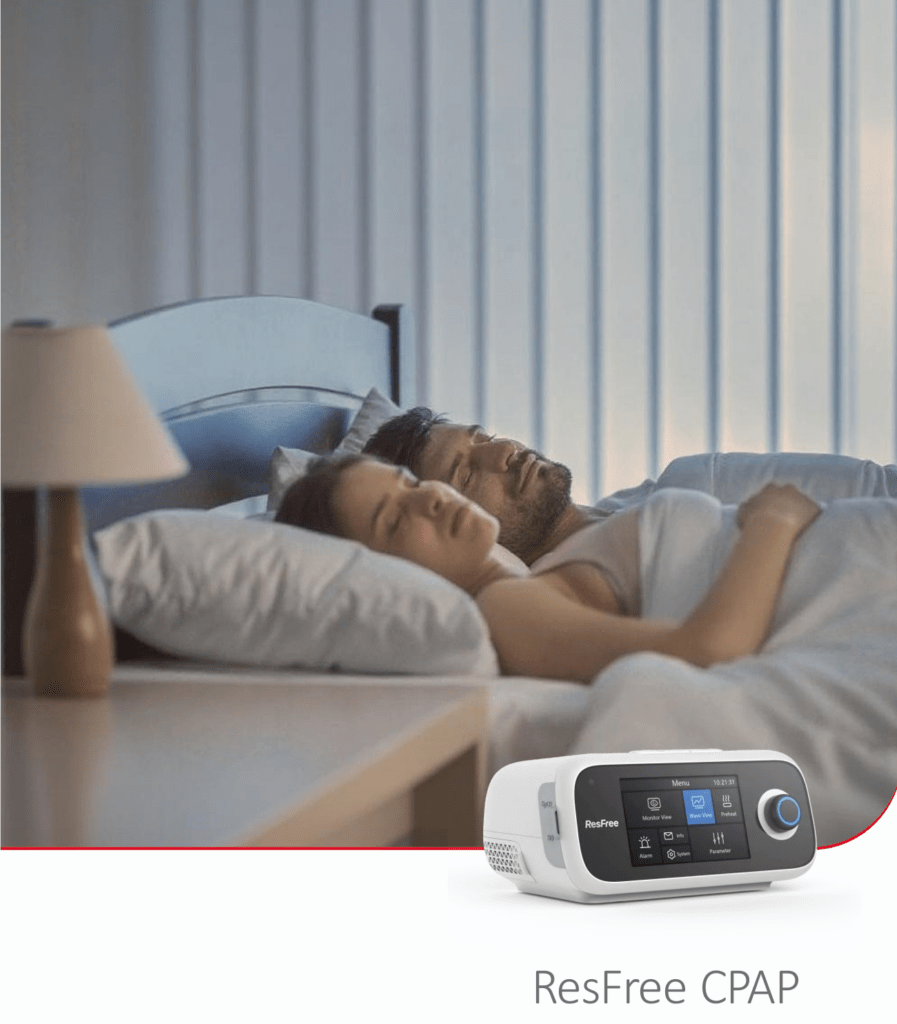
Three golden rules for choosing the right path
1) Prioritize objective therapy metrics: aim for devices that report nightly AHI, usage hours, and leak rates in clear dashboards. 2) Validate the clinical workflow: the device must integrate into remote-monitoring platforms and EMRs without heavy customization. 3) Insist on mask trials and firmware maintenance as non-negotiable parts of deployment. These rules simplify purchasing conversations and focus teams on outcomes rather than features alone.
Trust real data, insist on clinical fit, and plan for simple follow-up — that’s where technology turns into better nights for patients. Byond. —