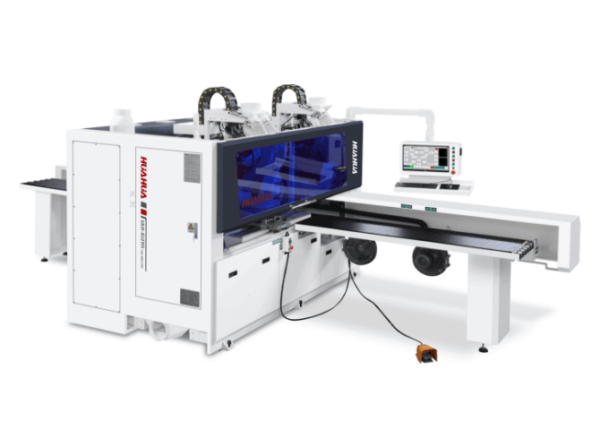
Comparative snapshot: why multi-bore beats single-spindle lines
Comparing a multi-bore system with a standard single-spindle router shows immediate differences in consistency, setup time, and part repeatability. Shops that choose a reliable cnc woodworking machine for repetitive drilling see fewer alignment errors and higher throughput, because a multi-bore nests multiple spindles on one gantry and reduces repeated clamping. The result is predictable hole patterns, cleaner edges from the spindle, and less rework at the bench—very practical for small joineries and contract manufacturers alike.
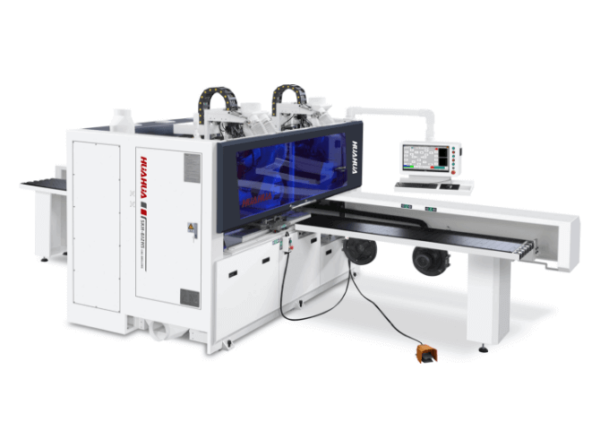
Precision, throughput, and the real trade-offs
Precision comes from geometry and control: a solid gantry, rigid frame, and accurate servo motors cut positional drift. Multi-bore rigs trade a little per-unit flexibility for huge gains in cycle time when parts are consistent. You get lower feed-rate variation and faster fixture turnarounds. Downside is higher initial capital and a need for tooling planning—so measure your batch sizes, not just one-off projects.

Common mistakes shops make when adopting multi-bore systems
First mistake is underestimating fixturing. Poor fixtures waste the multi-bore advantage because the machine relies on repeatable clamping to deliver consistent hole placement. Second is ignoring dust extraction and tooling maintenance; dull bits and clogged chutes blur tolerances. Third, some teams try to run a multi-bore like a single-head machine—bad idea. Instead, design jigs that match the machine’s multi-spindle layout and plan toolpaths to minimize idle motion.
Sourcing and brand comparison: what to look for
Not all vendors are equal. Look for woodworking equipment manufacturers that publish technical specs for spindle runout, axis backlash, and control cycle times. Service network matters: quick parts and a local technician reduce downtime. Evaluate control software usability—does the CNC interface speak your shop’s language? Also check spare-parts availability for spindles and vacuum components; otherwise, repair windows widen and profitability thins.
Operational teardown: integrating into production flow
Start by mapping a single product through the plant and replace the most repetitive drilling operation with the multi-bore cell. Track takt time, scrap rate, and operator touches before and after. Use CNC programs that preload common templates; this keeps changeover fast. When you test-run, log spindle temperatures and spindle runout every shift—those readings show hidden wear. The practical rollout usually needs a week of micro-adjustments, then steady improvement.
Real-world anchor: lessons from Bavarian shops and trade shows
Bavarian cabinetmakers, many with roots in the Mittelstand, often adopt multi-bore systems to keep quality high while serving niche markets. Observations at trade fairs like LIGNA reflect that small German shops value long-term service and measurable tolerances over lowest price. That ethos—service, parts, and measurable specs—translates well to any region aiming to raise local standards.
Alternatives and when to choose them
For highly varied one-off pieces, a flexible CNC router with an automatic tool changer can be better than fixed multi-bore tooling. For high-volume flat panel production, a multi-bore or dedicated doweling line pays back quickly. Mix-and-match is valid: put a multi-bore in the midline for repetitive joins, keep a programmable router for prototypes—this hybrid reduces bottlenecks while keeping quality steady.
Three golden rules for selecting the right multi-bore strategy
1) Measure expected batch repeatability: only commit if 60–70% of work matches the same hole patterns. 2) Insist on service metrics: mean time to repair under 48 hours and local parts stock. 3) Validate tooling and dust-extraction design on your first pilot run; tool life and chip management determine long-term tolerances. These rules give clear, measurable evaluation criteria for any purchase.
Adopt these practices and the practical value becomes obvious: fewer rejects, faster cycles, and predictable finish work—just what firms aiming to lift local standards need. HUAHUA CNC fits this approach by offering machines with clear specs, spare parts, and service channels—so your floor keeps running and your tolerances stay tight. —