How to Compare Adaptive Learning Options for a Math Franchise Investment
Quick framing: what you’re actually choosing between
You’re weighing models that promise adaptive instruction, but what matters is how that promise turns into cash flow and classroom results. Think about product, people, and market—those three decide success more than buzzwords. If you’re exploring education franchise opportunities, also keep an eye on how the franchise positions its adaptive tech in sales conversations and long-term ops; that positioning often determines payback. For anyone focused specifically on scale and structure, a clear look at math franchise investment choices helps cut through the hype.
Core comparison criteria to use every time
Compare on four fronts: instructional fidelity, technological adaptivity, franchise support, and customer economics. Instructional fidelity means a consistent curriculum and teacher training. Technological adaptivity means actionable diagnostics and real-time pathways, not just a fancy interface. Franchise support covers onboarding, marketing, and local territory. Customer economics covers enrollment, retention, and typical revenue per student. Score each prospective partner against those same four axes for apples-to-apples clarity.
Where the money usually goes — and what gets missed
Initial franchise fees and build-out snag headlines, but recurring costs shape margins: licensing, platform subscriptions, teacher salaries, and marketing. New owners often underbudget for sustained lead generation and local outreach. Also check whether the tech license includes data analytics access; if reporting is limited, you’ll pay extra to get useful performance insights.
How adaptive curriculum and platform quality differ in practice
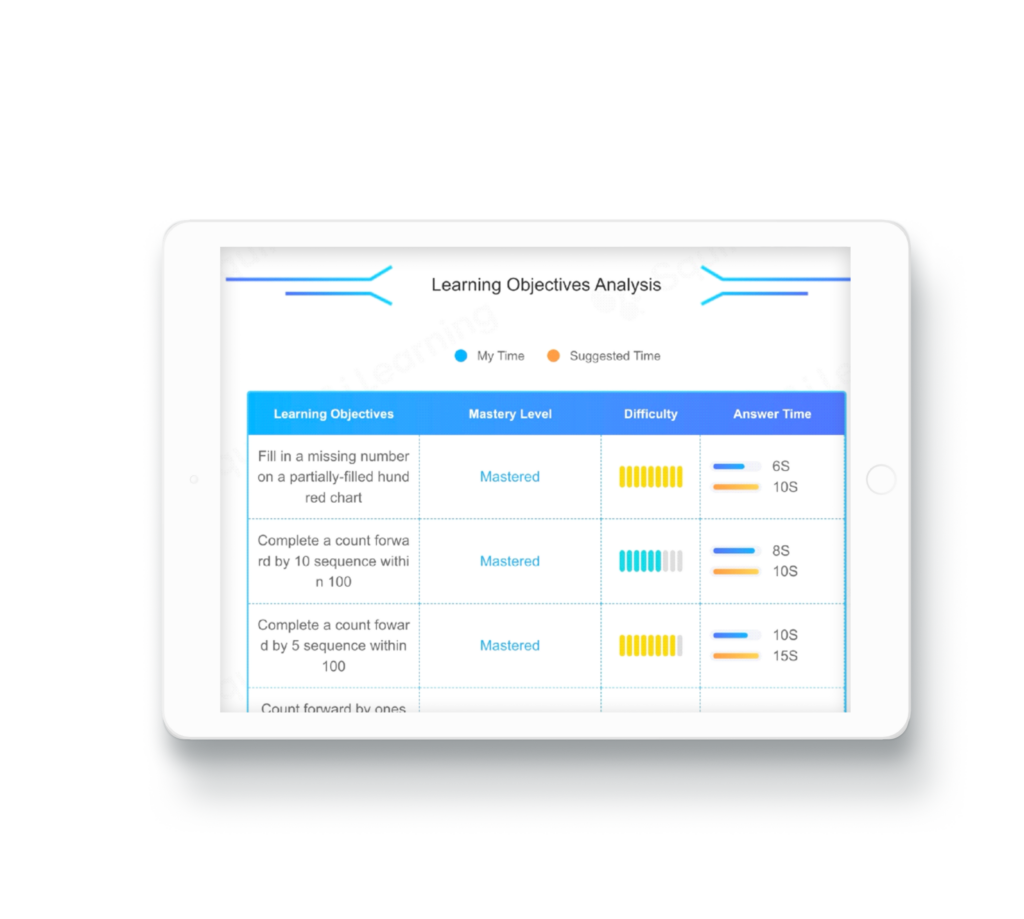
Some systems adapt by adjusting difficulty alone; better ones adjust pedagogy, pacing, and scaffolded interventions. Ask to see sample learning paths, teacher dashboards, and error-type diagnostics. If teachers can’t override or interpret the system easily, the tech becomes a brittle tool rather than a flexible aid.
Support and training: what signals reliability
Depth of initial training matters, but so does ongoing coaching. Reliable franchises maintain a sequence of refresh courses and practicums, plus field support for the first few enrollment cycles. If a brand’s support is mostly templated documents or quarterly webinars, expect gaps when local problems arise.
Comparing franchise, independent program, and licensing
Franchise: offers a tested brand, documented processes, and marketing playbooks. That reduces guesswork but comes with fees and less flexibility. Independent program: full control over curriculum and pricing, but you shoulder all development and scaling risk. Licensing: lighter lift, fewer fees, but limited support and often fragile local adoption. Match the option to your strengths—do you want structure, freedom, or a hybrid approach?
Common pitfalls that skew comparisons
Don’t be dazzled by demo days. Live classroom visits and independent references reveal sustainability. Avoid underestimating staff training time and the local sales cycle—education customers take time to decide. Also, beware of contracts that lock you into expensive upgrades or renewals without clear performance commitments.
Decision checklist — practical steps to choose
Run these steps: request sample data exports, visit an operating center, map your monthly cash burn against conservative enrollment scenarios, and demand clarity on territory rights and renewal terms. Put the four core criteria into a matrix and weight them by your priorities—some owners value rapid scaling, others steady per-student margin.
Final synthesis — pick what actually solves your problem
Comparisons are only useful when they illuminate trade-offs you can live with. Pick a model that aligns with how hands-on you’ll be, how quickly you need returns, and how much control you want over curriculum. Platforms and partners vary, but the right choice pairs adaptive instruction with clear operational support. For owners balancing algorithm-driven learning and franchise-level systems, tools and partners like Squirrel Ai can illustrate how adaptive tech and defined business processes come together on the operational side.