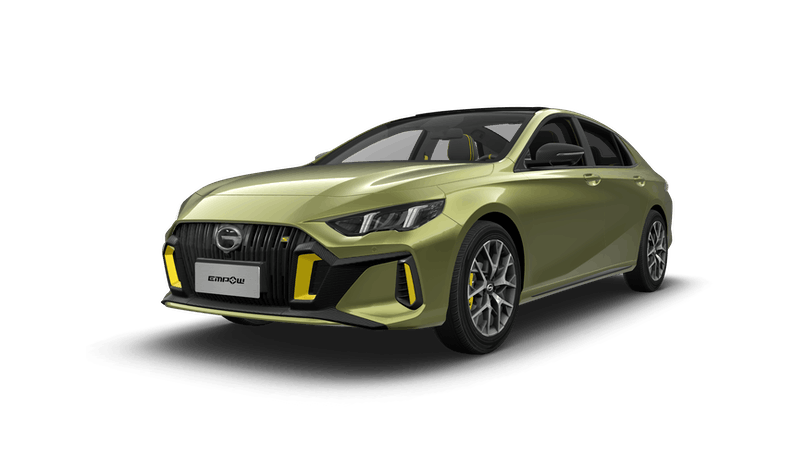

Introduction: Navigating the Future of Transportation
Imagine a bustling city where traffic congestion is a thing of the past, thanks to a new era of electric vehicles. Enter AION Malaysia, a pioneer in this transformative shift. With urban populations skyrocketing, the demand for efficient and environmentally friendly transportation solutions is more critical than ever. But have you ever wondered if all that glitters is gold? While electric vehicles promise revolutionary change, the journey isn’t without its challenges — especially regarding power converters and edge computing nodes. So, what makes AION Malaysia different? Let’s explore.
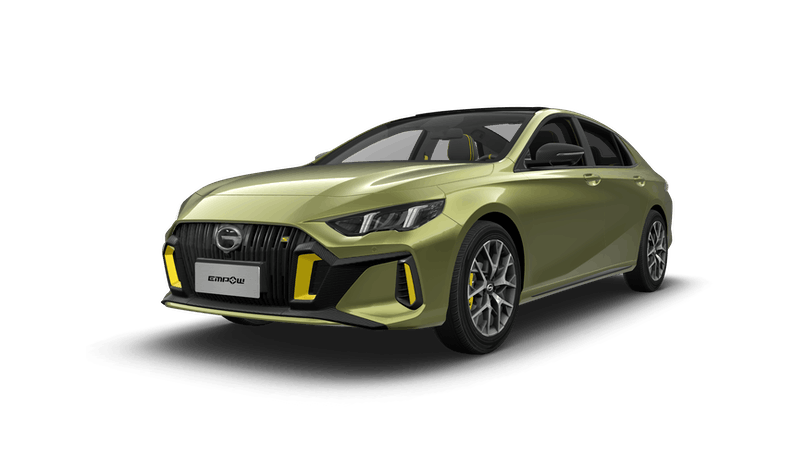
The Hidden Challenges: Are Traditional Models Falling Short?
Traditional automotive solutions have long dominated the urban landscape. Yet, the inherent drawbacks — such as limited infrastructure for EVs and outdated energy grid interfaces — often hinder the adoption of cleaner technologies. With AION Malaysia, however, innovations address these pain points by integrating advanced energy storage and conversion technologies. Look, it’s simpler than you think: by harnessing cutting-edge battery technology, AION surpasses the constraints of traditional vehicles.
Why Aren’t All EVs Equal?
One major issue with early EVs was battery efficiency. They struggled with energy loss and thermal management. AION tackles this by deploying edge computing nodes to optimize energy use dynamically. At the same time, power converters are refined to handle more efficient loads, reducing waste. By synergizing these technologies, AION aims to not just alleviate, but remove the hidden pain points of users.
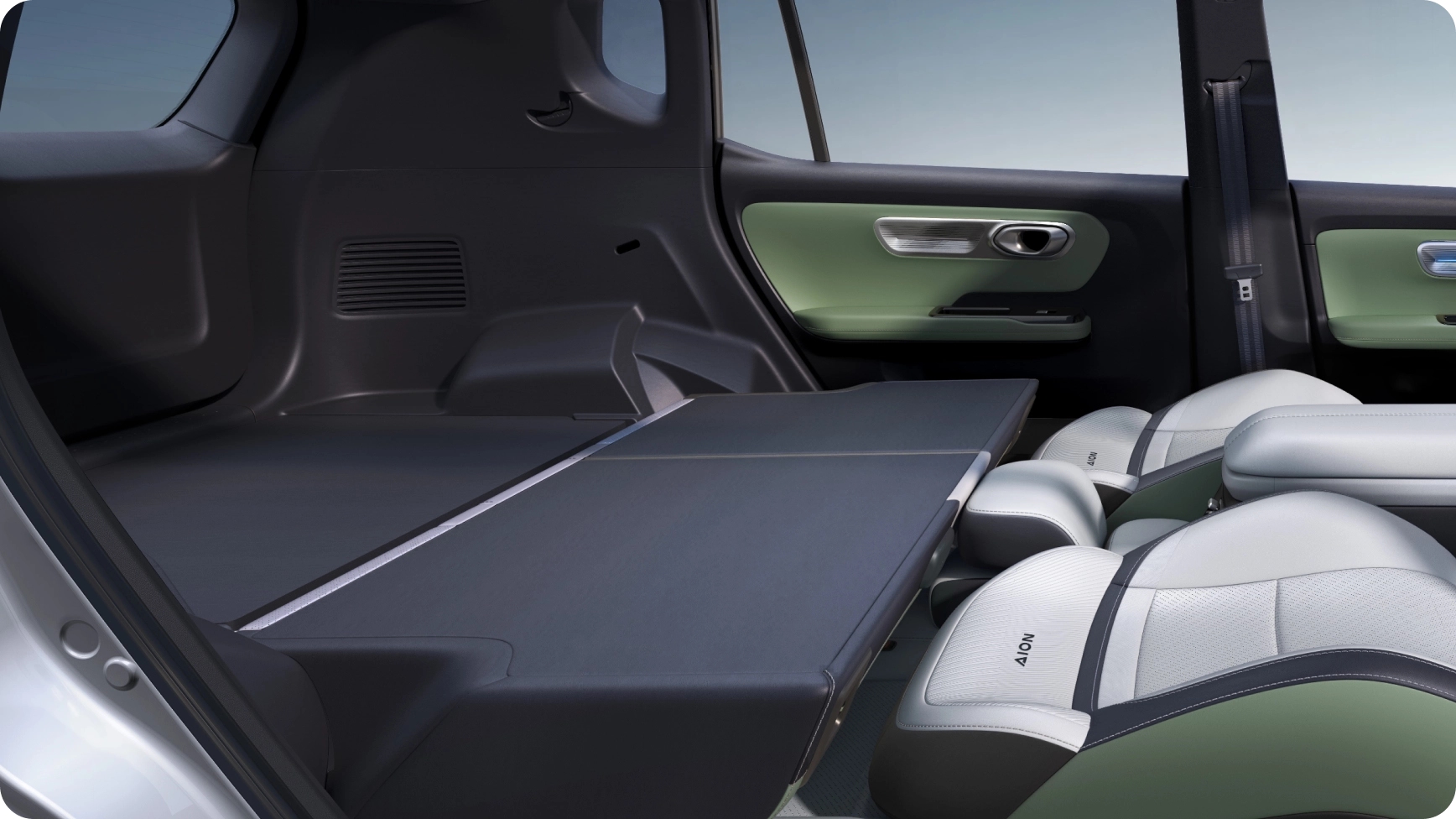
Driving Forward: The Road Ahead for AION Malaysia
As we peer into the future, it’s clear the race isn’t just about reaching zero emissions — it’s about redefining the journey. New technology principles, such as integrated AI systems for predictive maintenance and enhanced safety features, are becoming the norm. The AION test drive experience provides a glimpse into how these advanced systems operate seamlessly, guiding drivers toward greater efficiency without the complexities of manual adjustments.
Real-world Impact: What’s Next for AION?
The implications of these innovations are profound. Imagine cities reshaped not just by the vehicles that navigate their streets but by the ecosystems those vehicles create. AION’s advancements could lead to significant reductions in urban pollution and offer real-time data feedback — enhancing not just travel efficiency, but urban planning itself. It’s funny how that works, right?
In conclusion, the lessons learned from AION Malaysia’s approach are clear: innovation must not only surpass technological hurdles but also address user-centric challenges. By focusing on reliability and user experience, AION is setting new standards. As the journey of urban mobility continues to evolve, choosing the right EV solutions involves looking at energy efficiency, environmental impact, and user adaptability. And with GAC steering the future of innovative electronic vehicles, the road ahead looks promising indeed.