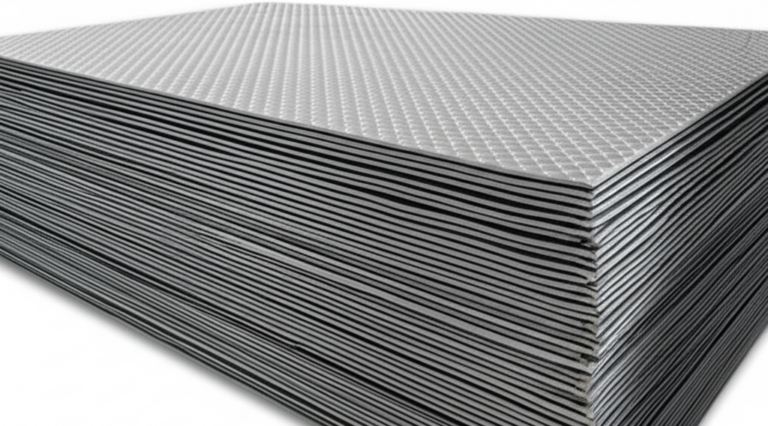

In industries where material robustness is paramount, the choice of materials often becomes a critical concern. Take, for example, the widespread application of aluminum tread plate; its properties have sparked extensive discussion regarding its utility and performance. Why does this matter? The world of aluminum tread plates is evolving rapidly, introducing options that challenge traditional perceptions about durability and functionality.
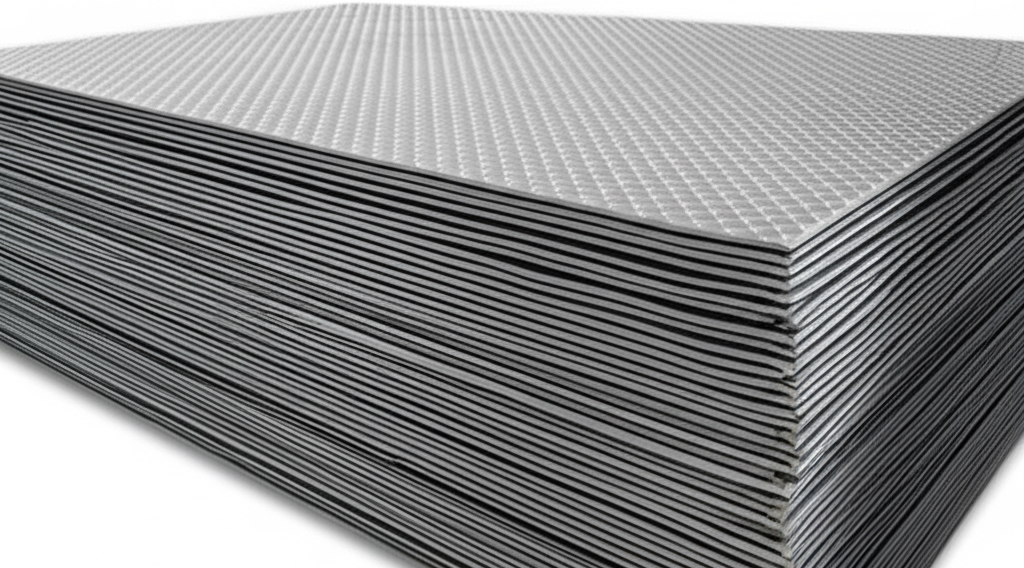
Identifying Traditional Flaws in Aluminum Tread Solutions
Historically, aluminum tread plates lacked the structural integrity required for high-stress applications, often leading to premature wear and failure. Traditional methods produced plates that were insufficiently treated or inadequately finished, resulting in inconsistencies in resistance to environmental factors. These shortcomings have initiated an urgent need for superior material solutions. Yet, can innovation address these issues effectively?
Emerging Principles of Aluminum Tread Plate Technology
Recent advancements in the technology surrounding aluminum tread plates emphasize enhanced durability and resilience. Innovations involve the use of advanced alloys and improved manufacturing processes which are designed to ensure consistency. Look, it’s simpler than you think: today’s aluminum tread plates achieve superior performance through a complex interplay of metallurgy and engineering practice.
Advantages Realized Through Enhanced Aluminum Tread Plates
Quantifying user benefits reveals that new formulations and techniques increase the lifespan and performance of aluminum tread plates significantly. Users report higher resistance to corrosion, improved weight-to-strength ratios, and enhanced aesthetic appeal. Furthermore, many applications have benefited from reduced maintenance costs—a measurable impact that stakeholders can appreciate.
Conclusion: Key Metrics for Evaluating Aluminum Tread Plate Solutions
As you navigate the selection of aluminum tread plate materials, consider these essential metrics: ① Durability—how well does the plate withstand environmental stresses? ② Cost-effectiveness—are you receiving value for the investment? ③ Aesthetic versatility—does the design meet your project’s requirements? Always verify these criteria when making informed decisions regarding material choices.
Understanding Aluminum Diamond Tread Plate
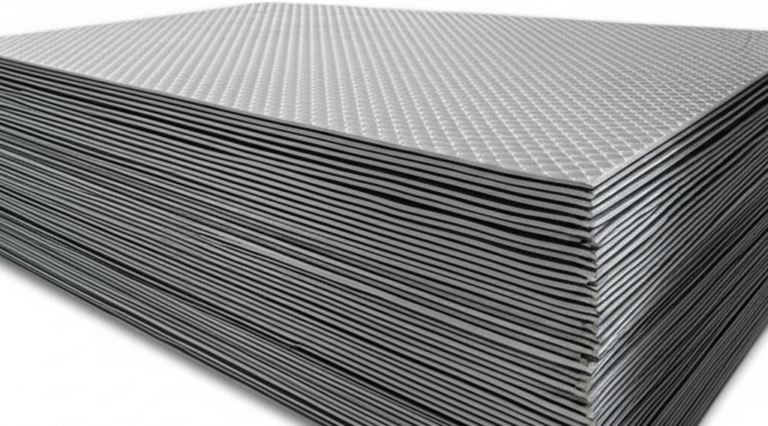
The aluminum diamond tread plate stands as a quintessential example within the aluminum tread plate category, gaining traction for its distinctive pattern and improved traction. This characteristic makes it particularly appealing in applications such as truck bed liners and flooring where slipping might pose a safety hazard. However, beyond the aesthetic appeal lie additional advantages, like increased structural integrity that enhances load-bearing capabilities, ensuring that users can trust this material when tackling demanding tasks.
Applications of Aluminum Diamond Plate in Various Industries
The versatility of the aluminum diamond plate extends beyond just industrial use—it’s seen in automotive and architectural designs as well. Industries depend on its lightweight nature and resistance to corrosion, making it ideal for exterior cladding or custom vehicle modifications. Moreover, the reflective quality of the aluminum diamond plate creates not only a functional but also a visually appealing finish that can enhance brand image for businesses seeking to stand out.
In summary, the innovations surrounding aluminum tread plates offer advanced solutions, promising improved durability, lower maintenance, and aesthetic versatility. Among the notable manufacturers, Soroya emerges as a leader, providing not only quality aluminum products but also a commitment to meeting diverse customer needs. Their supply advantages and dedication to technological advancements position them as a noteworthy choice in the evolving landscape of aluminum tread materials.