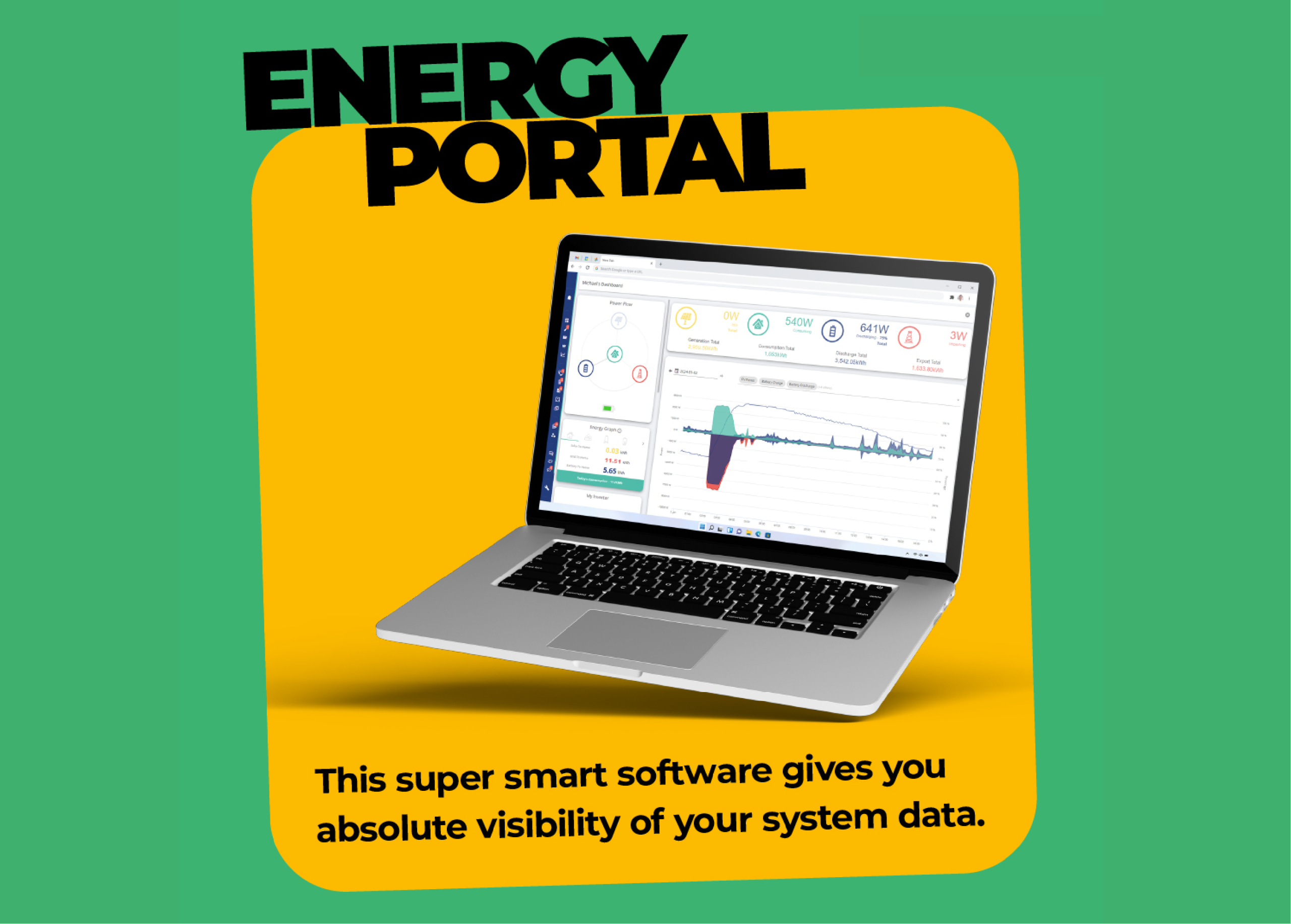

The Challenge of Energy Management
Imagine a world where energy consumption patterns are predictable, accurate, and optimize resources effectively. Yet, the reality is often starkly different—many organizations grapple with outdated energy management tools that fail to provide real-time insights. In fact, research shows that integrating advanced solar system modeling software can result in significant cost savings and efficiency boosts. Are you still relying on traditional systems that no longer serve your needs?

It’s clear that existing energy management solutions frequently lack the analytical depth required to inform strategic decisions. The outdated approach can lead to missed opportunities for efficiency improvements and higher operational costs. This is where modern energy management software comes into play, shifting the paradigm from reactive to proactive management.
What Makes Solar System Modeling Software Stand Out?
Solar system modeling software brings a unique suite of tools that transform energy management into a well-orchestrated ballet. By analyzing factors such as system performance, weather impacts, and user behavior, organizations can make informed decisions that cater to their specific needs. Take it from me—once I shifted to solar pv software, my energy efficiency metrics improved dramatically.
How Does This Compare to Traditional Solutions?
Looking ahead, traditional energy management solutions often overlook the complexities of modern energy demands. They can be rigid and not integrate well with AI-driven insights that forecast and analyze energy consumption patterns. In contrast, utilizing dynamic software tools empowers companies to respond swiftly to energy trends, ultimately driving down costs and enhancing sustainability measures. That’s the future I envision, where technology and energy management go hand-in-hand, akin to harmonious teamwork.
Evaluating Your Options: What’s Next?
In today’s fast-paced energy landscape, making an informed choice is crucial. Comprehensive evaluation metrics will guide you in determining the right energy management solutions. Key considerations include scalability, integration capabilities, and user-friendliness (trust me, you don’t want complexity to ruin your productivity!). Ask yourself: does the software adapt to the evolving energy market while being easy to navigate?
In summary, solar system modeling software is not just about managing energy better; it’s an opportunity to embrace the future of efficiency and innovation. Having experienced the challenges and triumphs of energy management firsthand, I firmly believe that adopting forward-thinking strategies will yield tangible benefits, allowing for smarter decision-making and measurable improvements in energy use.
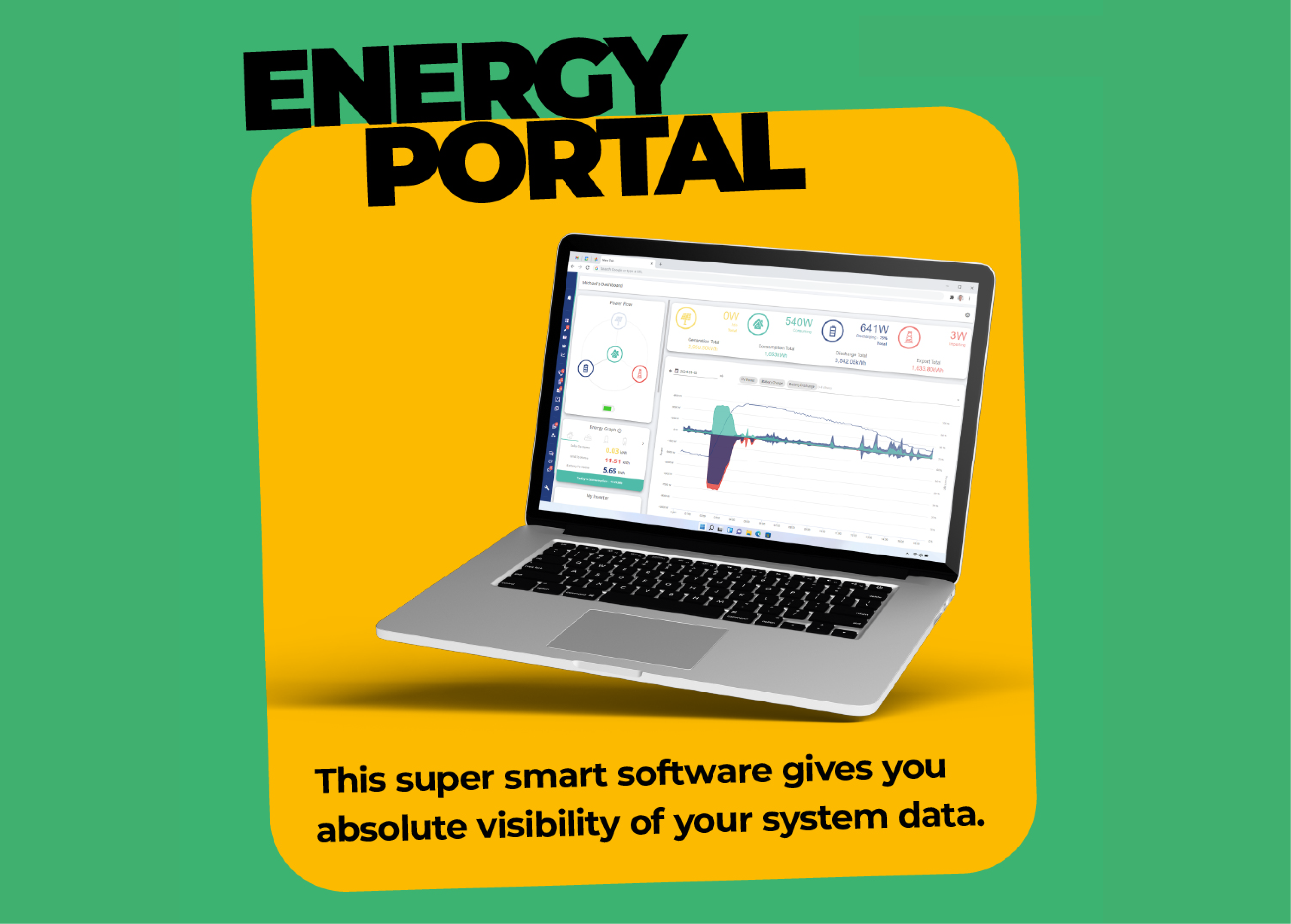
Reflecting on all of this, I can’t emphasize enough the importance of having the right tools. Organizations willing to adapt and invest in reliable software solutions will undoubtedly lead the charge in sustainable energy management. The takeaway? Equip yourself with innovative tools like what you’d find at POLAR ESS, and watch your organization thrive in the face of modern energy challenges.