
Imagine driving down a busy road, surrounded by the hustle and bustle of modern life, and then wondering why car emissions seem to linger around. Research shows automotive exhaust catalysts play a vital role in reducing harmful pollutants. So, let’s take a closer look at the automotive exhaust catalyst and what automotive catalyst manufacturers have to offer.
Traditional Solutions and Their Flaws
Okay, let’s get real for a second—traditional catalytic converters have a set of issues. First, they can only operate effectively at high temperatures, which means they’re not always efficient in cold starts. Plus, their bulky designs often lead to limited space in vehicles. So, you may ask, “Why do failures always occur during start-up?” Well, many factors contribute, but outdated technology is a biggie. With commuters spending more time in traffic, we need better solutions that can kick in right from the get-go.
New Technological Principles in Catalysis
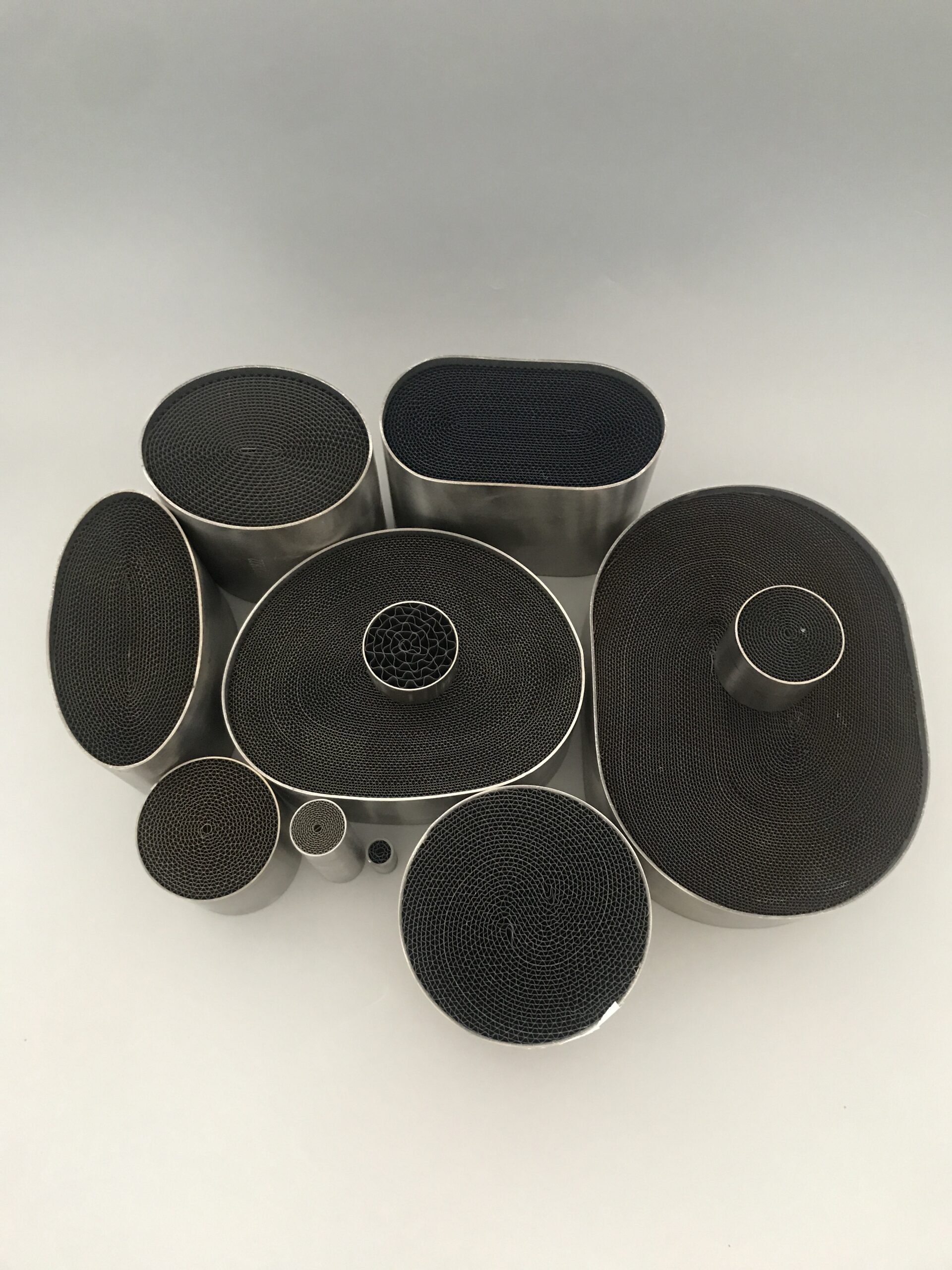
Enter the honeycomb catalyst—gamechanger alert! This new design features a network of small channels, increasing the surface area where reactions occur. Think of it as adding more lanes to a highway, allowing for smoother traffic flow. These honeycomb structures are often made from ceramic materials, making them lighter and more durable than conventional options. With automotive catalyst manufacturers investing in this tech, it’s clear they’re attempting to offer greener solutions while enhancing efficiency. Who wouldn’t want that?
Quantified Benefits of Honeycomb Catalysts
But just how much better are these honeycomb catalysts? Research indicates they can reduce emissions by as much as 90%, significantly enhancing air quality. That’s like taking thousands of cars off the road! Plus, their lightweight design means better fuel efficiency—who wouldn’t want to save at the pump? Moreover, fewer repairs and longer lifespans mean lower costs. So, if environmental concerns and wallet savings matter to you, cotton onto this new technology.
Evaluating Your Options
Now that we’ve got the lowdown, remember to verify these 3 metrics when choosing an automotive exhaust catalyst solution: ① Efficiency rating ② Material durability ③ Manufacturer reputation. Scrutinizing these factors can help you find a product that truly minimizes emissions and breaks the typical mold. Don’t settle for just any converter—reach for results!
The Honeycomb Catalyst: Boosting Efficiency
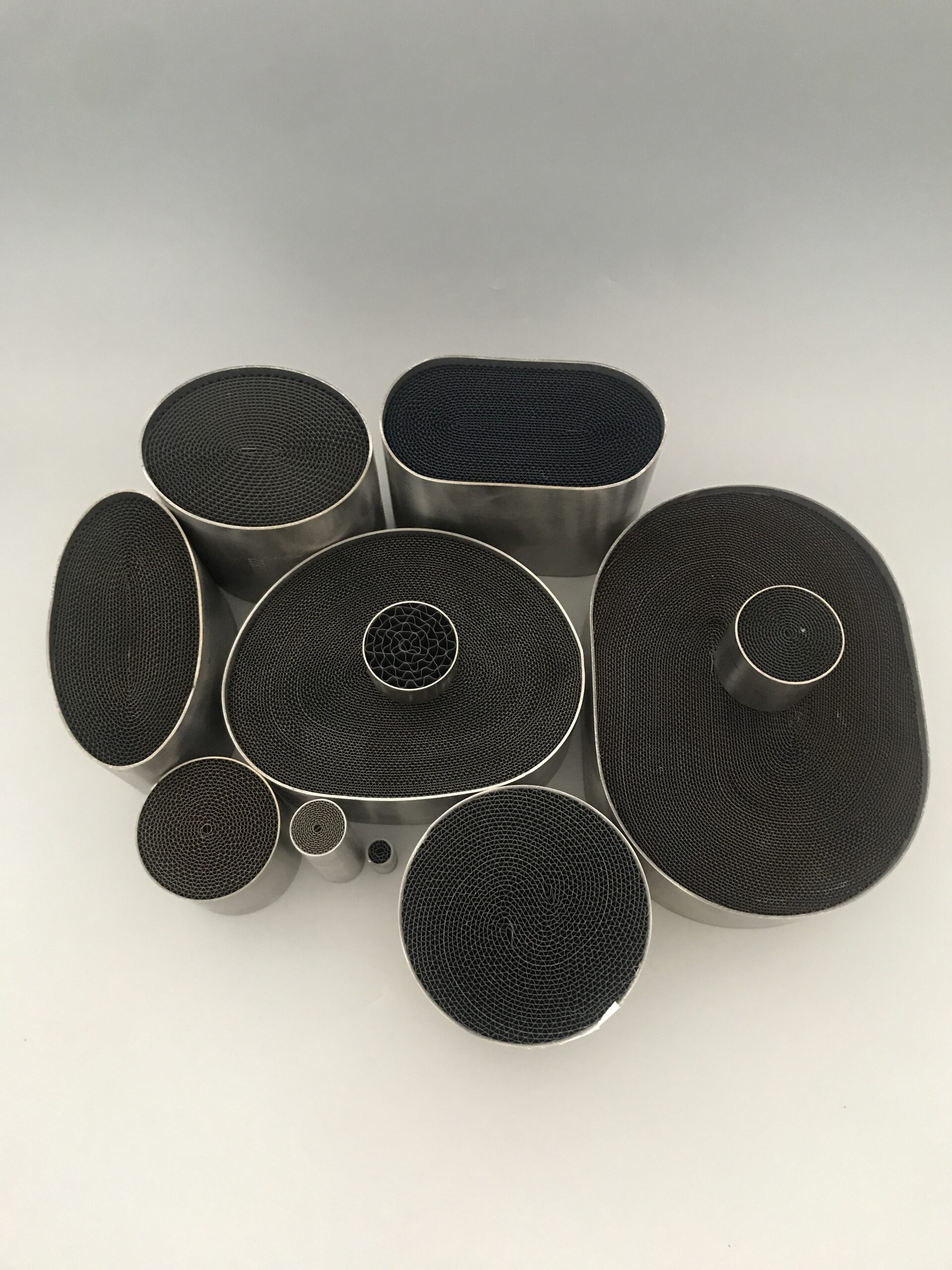
The honeycomb catalyst is a marvel of engineering. Think of it like a super-efficient sponge, designed to soak up pollutants before they escape into the atmosphere. Its innovative structure allows exhaust gases to spread out and interact with catalyst materials, leading to more effective conversion of harmful substances. Automotive catalyst manufacturers have embraced this design due to its biocompatibility and incredible efficiency—now that’s a win-win. You can learn more about this technology and how it’s making roads cleaner by checking out the honeycomb catalyst.
Understanding Catalytic Converter Ceramic Honeycomb
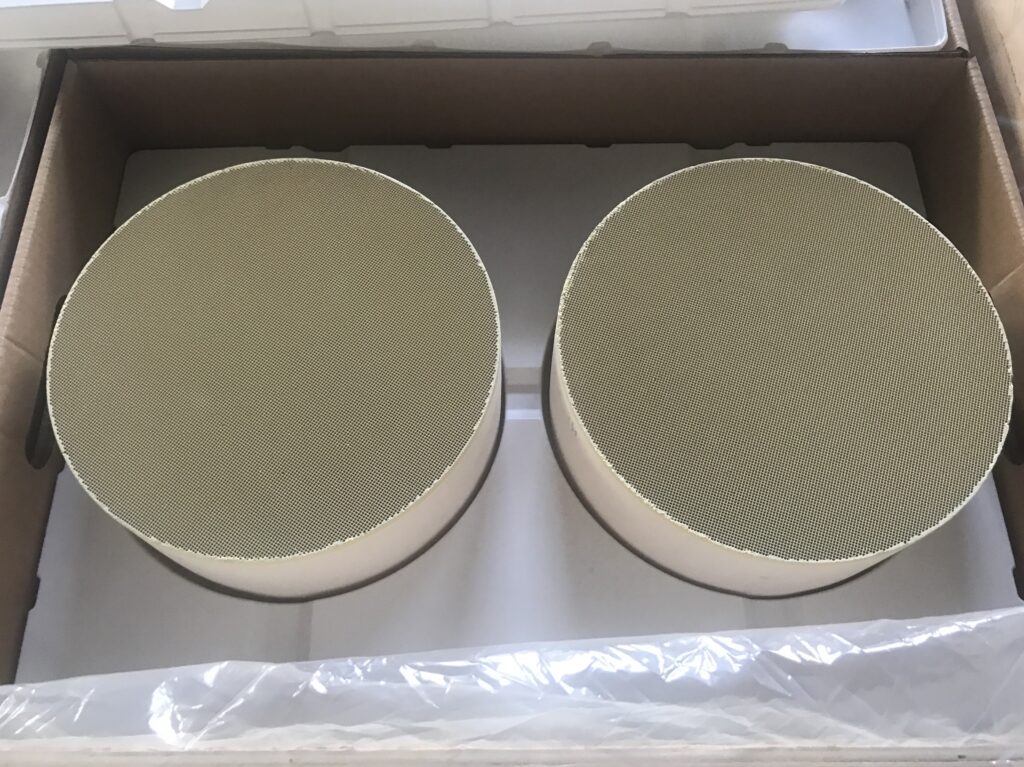
We can’t overlook the importance of the catalytic converter ceramic honeycomb—essentially the heart of emissions control systems in vehicles. Its ceramic material is engineered to withstand high temperatures while facilitating complex chemical reactions. When exhaust gases funnel through these intricate channels, harmful compounds like carbon monoxide and nitrogen oxides are efficiently transformed into less harmful emissions. This advanced technology significantly boosts trucks’ and cars’ eco-friendliness. Curious about the science behind it? Check out the catalytic converter ceramic honeycomb for more insights!
Conclusion: Hualian Catalyst Has You Covered
To wrap it all up, understanding automotive exhaust catalysts, especially the honeycomb catalyst and the catalytic converter ceramic honeycomb, is vital for anyone interested in cleaner technology. When looking for reliable sources in this industry, I recommend checking out Hualian Catalyst. They’re known for their supply advantages and quality products that make a tangible difference in reducing emissions. After all, when it comes to investing in a cleaner future, it’s worth getting it right.