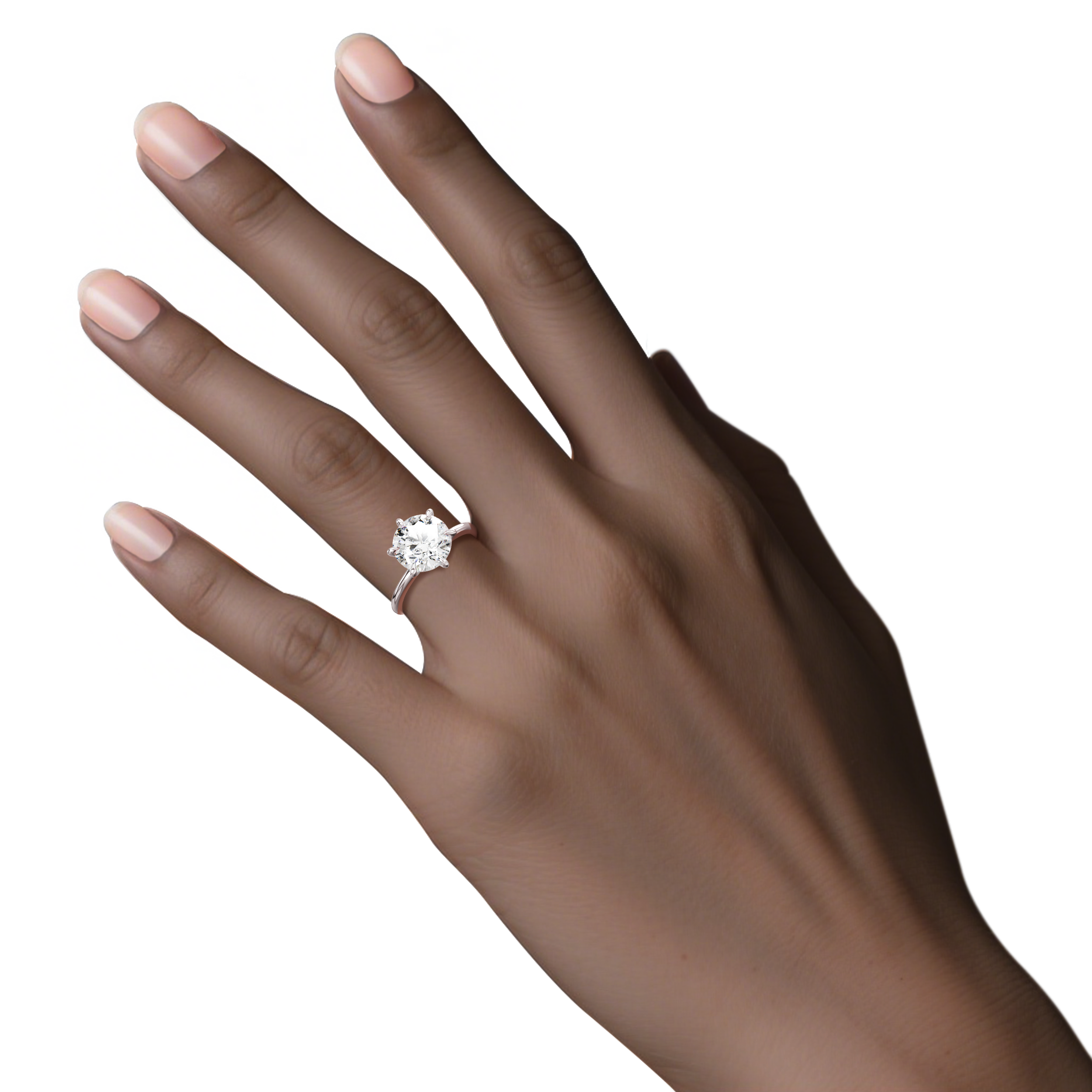

Why Comparing Bridal Sets Starts Before You Step in a Store
Here is a simple scene: two rings sparkle under bright lights, and both look perfect. Bridal sets appear equal at first glance. Then the questions begin—how will they age, how do they fit your daily life, and what can you measure beyond shine? Recent shopper surveys show that over half of buyers pick by eye alone, even though durability and long-term fit often matter more. That gap is where costly repairs start. It is also where details like karat weight, setting profile, and band geometry can tell a very different story.

Think of it like testing shoes before a marathon. A ring that looks great can wobble if the prong setting is thin or the shank is too narrow for your lifestyle. Micro-scratches, plating wear, and sizing drift are not rare; they are common. And yet, most sales floors skip the metrics that predict them (tiny tolerances make a big difference). So the smarter move is to compare on structure, not only sparkle. We will dig into what fails, why it fails, and how to read the specs—without a microscope. Next, we examine where the “classic” choice actually introduces hidden trade-offs—funny how that works, right?

Gold Bridal Set Rings: The Hidden Gaps in the “Classic” Choice
Most shoppers choose gold bridal set rings for tradition, warmth, and status. Look, it’s simpler than you think: what you feel as “premium” often comes down to alloy composition and thickness where the ring gets stressed. Lower karat gold can increase hardness but may dull the hue; higher karat glows but can be softer under daily wear. The usual showroom pitch praises the color and style. It rarely covers how the prong setting, solder joints, and band profile handle real-world knocks. If the shank is too slim, a tiny bend can misalign the center stone. That is not a scratch issue; it is a stability issue.
Here is the deeper layer that many miss. Gold itself is not the culprit; mismatch is. A delicate pavé halo with tall claws may catch on sweaters and bags, and repeated snags can loosen stones over time. Micron plating over white gold can look bright on day one, but thin layers wear fast at contact points. A weak spot under the finger—often where resizing happens—can become a flex point. Good makers offset this with a sound CAD model, slightly thicker shoulders, and clean seat geometry for each stone. They also refine the polish after setting, so edges do not snag. The traditional solution of “buy heavier gold” helps, but it is not complete. Without aligned design choices, more metal can still fail—odd but true.
Next-Gen Choices That Clarify the Comparison
What’s Next
Moving forward, the best comparisons blend craft with simple, testable specs. New build practices are changing the baseline. Laser-welded joints reduce heat stress around prongs, while higher-precision castings improve seat fit for melee stones. PVD finishes can outlast standard electroplating on wear zones. Side by side, two similar rings now differ in measurable ways: bend resistance at the bottom of the shank, polish retention on contact edges, and prong symmetry around the center. If you favor an oval bridal set, for example, check how the head distributes force across the elongated stone; well-cut seats and balanced bridge height can lower chip risk at the tips.
So what should you track to make an apples-to-apples call? First, stability: does the band hold form after small impacts, and does the sizing stay true over seasons? Second, surface resilience: how many abrasion cycles can the finish handle before dulling is visible under normal light? Third, alignment precision: are prongs even, and is the halo level when viewed edge-on? These are not lab chores; they are quick observations once you know where to look. And they turn style into structure. In short, match design to daily wear, choose the right metal spec for lifestyle, and verify the finishing work that locks everything in. Results speak: fewer trips for tightening, fewer micro-scratches in high-contact spots, and a long, even shine. For deeper specification examples and maker notes, see resources from trusted houses like Vivre Brilliance.