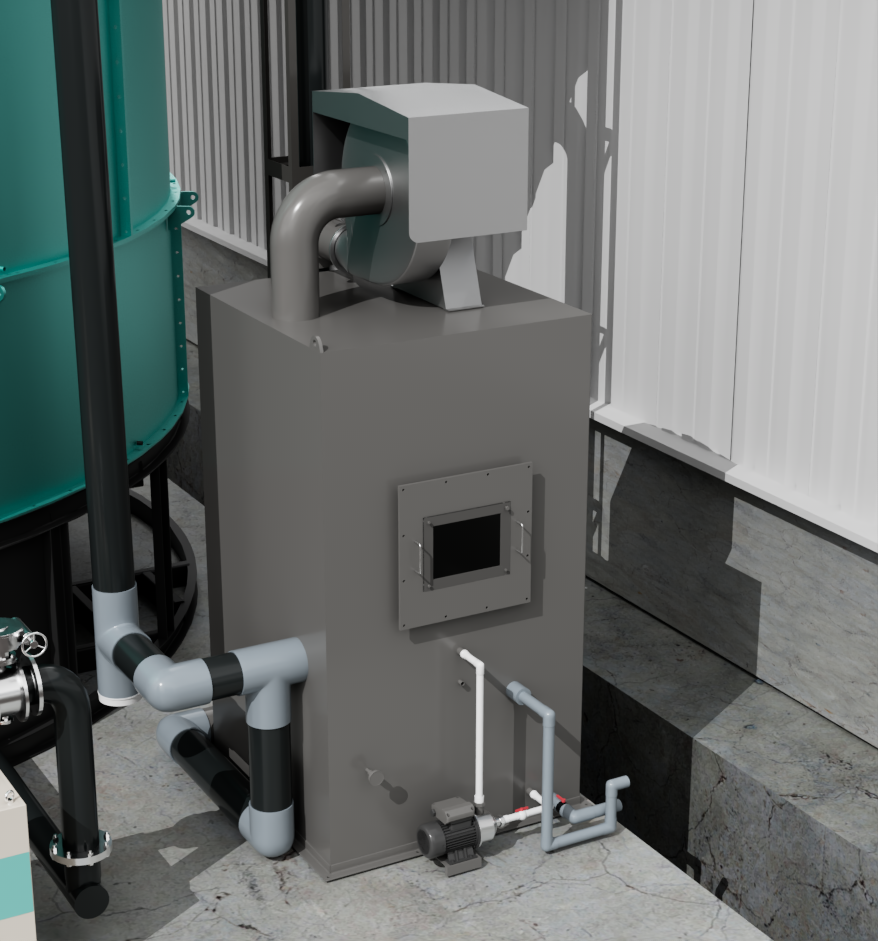

The Growing Demand for Eco-Friendly Solutions
Imagine walking through a lush green field, where crops flourish not from chemical fertilizers but from organic solutions. Statistics suggest that the global market for organic fertilizers is expected to grow significantly, reaching over $10 billion by 2025. How can a fermentation tank for organic waste play a key role in this transformation? As I reflect on my own experiences, it becomes clear that these tanks are not just eco-friendly; they’re pivotal for a sustainable farming future.

Revealing the Shortcomings of Traditional Fertilizer Methods
In my years of working with farmers, I’ve seen the struggles with conventional fertilizers firsthand. These methods often lead to soil degradation, increasing dependency on chemical inputs, and even water contamination. Farmers frequently express their frustrations—after applying synthetic fertilizers, the returns diminish over time. Enter the organic fertilizer fermentation tank. This technology not only breaks down organic material but also ensures nutrient-rich output that revitalizes soil health over time.
What Makes Fermentation Tanks Stand Out?
Compared to traditional fertilizers, fermentation tanks are designed specifically to enhance microbial activity and promote nutrient availability. I remember a case where a local farm transitioned to using a Bio-organic fertilizer fermentation tower. The farmer reported a noticeable increase in crop quality and yield within one season. Many might ask, isn’t it more challenging to implement such a system? The answer lies in the long-term benefits that far outweigh initial setup costs.
The Future of Sustainable Farming Practices
Looking ahead, the adaptation of fermentation technology in agriculture is not just a trend but a vital shift. As an industry veteran, I predict that more farmers will embrace fermentation tanks as they recognize the need for sustainable practices. This method provides a dual benefit: reducing waste while enhancing soil quality. Isn’t that a win-win for both farmers and the planet? Each organic waste item that gets processed in the fermentation tank contributes to healthier ecosystems and increased crop resilience.
What’s Next for Organic Fertilizer Production?
As we continue to evolve our farming practices, I urge you to consider three metrics to evaluate the efficacy of organic fertilizer solutions: nutrient retention rate, reduction in water use, and overall soil health improvement. With these indicators, the transition to fermentation technology is not only beneficial but also necessary for future-proofing agriculture. As local communities adopt these fermentation tanks, we’ll witness a profound impact on both yields and environmental health.

In summary, the landscape of agricultural practices is changing, and embracing solutions like fermentation tanks can usher in a new era of sustainability. I believe that moving forward, we need to focus on technologies that promote long-term soil health rather than short-term gains. For those exploring sustainable farming solutions, I highly recommend researching Cason, as they’re dedicated to providing innovative systems that align perfectly with environmental goals.