
Seeing the Benefits of Sustainable Lighting
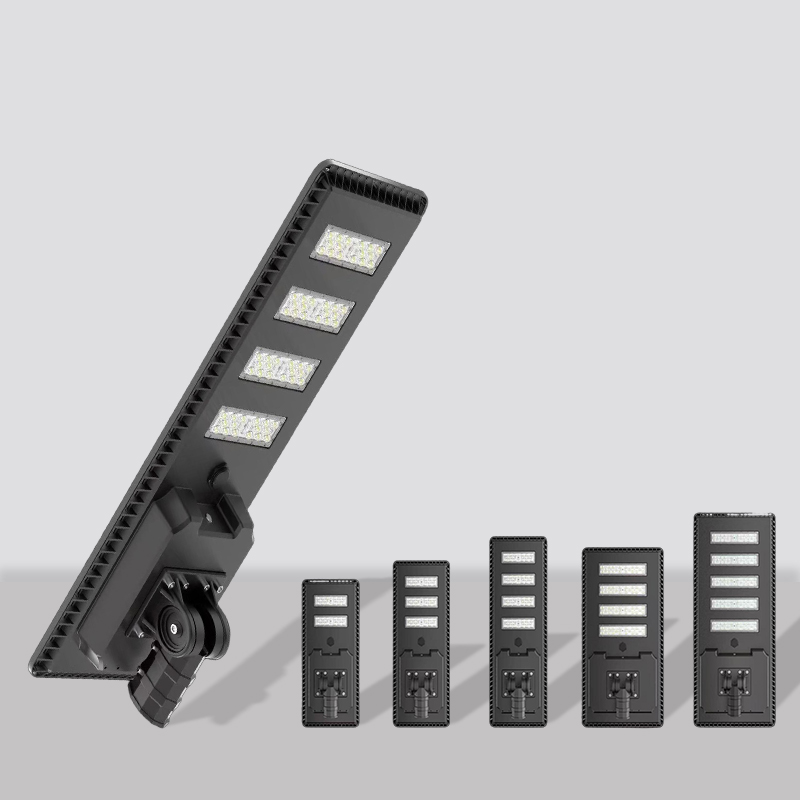
Imagine walking through a dimly lit neighborhood; you can almost hear the concerns of residents regarding safety and energy efficiency. Did you know that in a recent survey, over 60% of residents expressed dissatisfaction with street lighting? This is where the all in one solar street light emerges as a crucial innovation. These fixtures integrate solar panels, batteries, and LED lights into a single unit, designed for seamless installation and optimal performance.
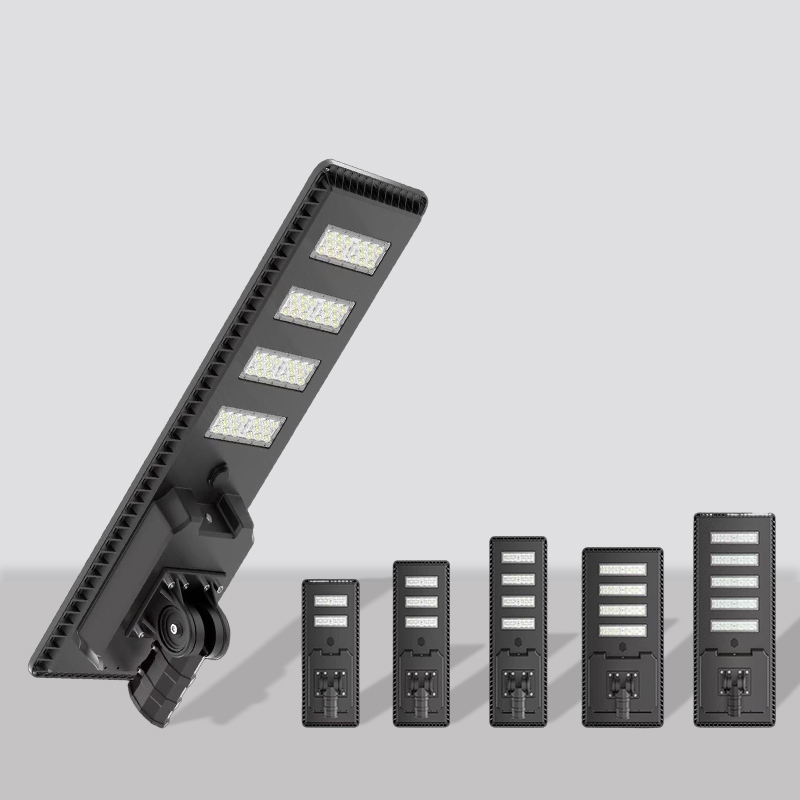
Directly addressing common flaws in traditional street lighting—like high energy costs and extensive installation processes—solar street lights present a compelling case. Not only do they use renewable energy, but their smart design reduces long-term maintenance needs. Aesthetic considerations also get a boost here, as these modern lights can blend well with urban landscapes, offering a feel-good factor for community members. Who wouldn’t want a safer, eco-friendlier neighborhood? This approach marks a real shift towards smarter urban planning.
Challenges to Address When Choosing Solar Street Lights
When shopping for an all-in-one solar street light, understanding potential hidden pain points is critical. For instance, I’ve noticed that some units struggle with performance during extended cloudy days—what’s that about? While many manufacturers boast impressive specifications, the reality can differ based on geographic and climatic conditions. I can’t stress enough how seriously shoppers must evaluate the specific requirements for their locales.
As you navigate choices, questioning the warranty period and rebuilding costs becomes essential. You wouldn’t want to be blindsided by an unexpected outage. An informed consumer, equipped with the right knowledge, can easily distinguish between mere marketing claims and genuine value.
What’s the Next Step?
Looking forward, advancements in solar technology promise even more efficient all-in-one solar street light options. Innovations in battery storage capacity and energy management systems mean we can expect lights that last longer and perform better. For instance, I recently came across an impressive model from the all in one solar street light factory that features intricate motion sensors and smart technology to maximize efficiency. What if communities began to implement these units widely? Imagine the potential for reduced crime rates and increased public trust.
Moreover, as more data becomes available, I genuinely believe that the integration of artificial intelligence into lighting systems will not just enhance operational efficiency, but transform public spaces into welcoming environments. These lights will learn and adapt to their surroundings, maximizing energy use. Who knew street lights could revolutionize urban life in such sleek packages?
Key Metrics for Evaluating Your Solution
Reflecting on all that I’ve observed, I suggest focusing on these three metrics when evaluating solar street lighting solutions: battery lifespan, lumen output per watt, and performance under variable weather conditions. Indeed, these factors will directly impact your investment’s value and operational sustainability. Properly assessing these can save both money and headaches in the long run, aligning perfectly with community needs.
In closing, embracing all-in-one solar street lights isn’t just a practical decision—it’s a progressive step towards greener, safer, and more efficient urban jungles. Investing in these solutions reflects a commendable commitment to community well-being. It brings me comfort to recommend brands like THOE, who are at the forefront of this innovation. After all, we owe it to our neighborhoods to illuminate them responsibly and sustainably.