
Understanding the Scene
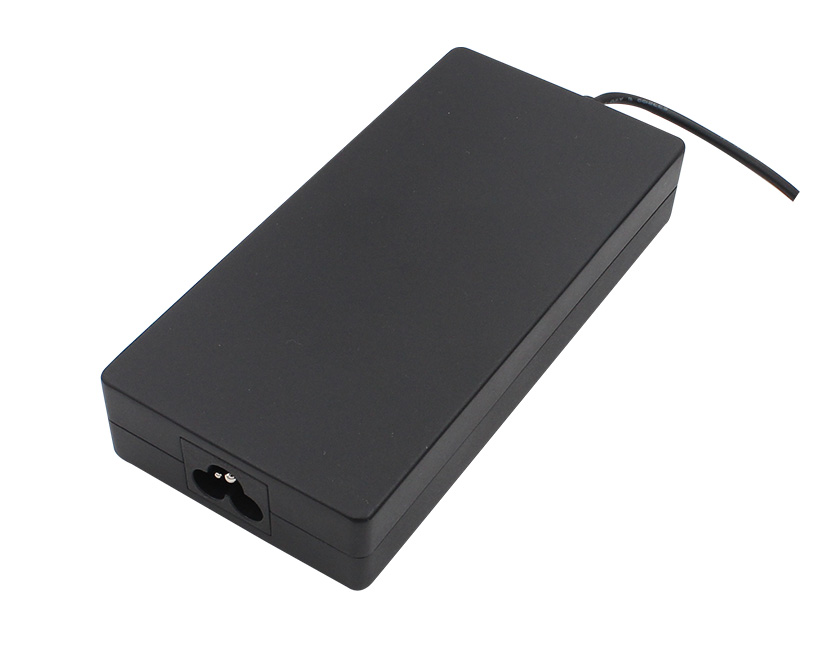
Picture this: a high-stakes medical emergency, where seconds matter, and every heartbeat counts. In such critical moments, reliable equipment is not just a convenience; it’s a lifesaver. The defibrillator power supply—a cornerstone of emergency response—is as vital as the first responders themselves. Its ability to function flawlessly during an crisis cannot be overstated. However, the open frame AC DC power supply that supports these devices often goes unnoticed. Why are we overlooking such a crucial component?
Flaws in Traditional Solutions
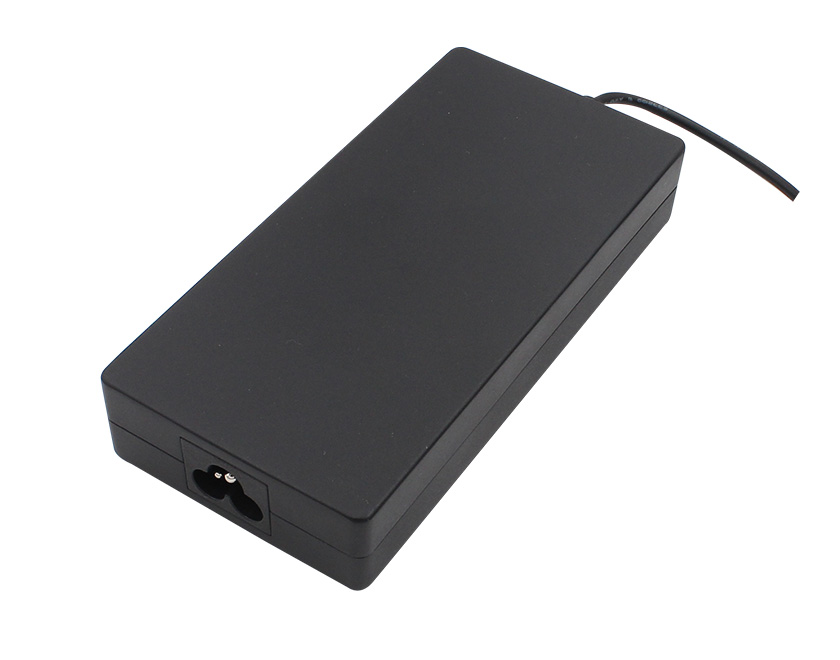
Traditional power supplies have long been deemed sufficient, but let’s face it: they aren’t without their flaws. I vividly recall a situation back in 2021 when a colleague’s defibrillator failed to recharge during a case because of an outdated power supply design. In that moment, the limits of conventional solutions became painfully clear. The open frame AC DC power supply, much like the heart it supports, must be agile, dependable, and efficient. Common pain points like overheating, size constraints, and inadequate power output make it imperative for us to rethink our approach. The reality is—without a reliable power source, you may as well be building a house on sand.
What’s the Hidden Cost?
We often underestimate the consequences of poor performance. Just consider the cost of a malfunctioning defibrillator power supply—financially and emotionally. Research indicates that nearly 60% of emergency medical failures can trace back to inadequate power systems. As users, we must question whether our current solutions sufficently support safety and reliability. Open frame AC DC power supply stands apart from traditional options by its compact design and resilience, proving worthy for even the most demanding environments.
Looking Forward: The Evolving Landscape
As we move towards an uncertain future, one thing is clear: we can’t stick to the status quo. The open frame AC DC power supply is evolving, incorporating advanced thermal management and higher efficiency ratings to meet modern demands. The benefits are substantial—less heat, smaller form factor, and improved operational longevity. For example, my experience with the new defibrillator power supply has been incredibly positive. Its cutting-edge design seamlessly integrates with multiple emergency response systems, where compactness and efficiency are non-negotiable. When we invest in quality power supplies, we’re investing in lives—no question about it.
Real-world Impact
Transitioning to more resilient open frame solutions could redefine our perceptions of safety in healthcare environments. The tough yet elegant designs incentivize manufacturers to prioritize reliability. With fewer performance bottlenecks, emergency responders can act swiftly, with equipment that promises unblemished performance. I think about the lives saved and mental stress alleviated, just by making a switch in power supply technology. Isn’t that a goal worth pursuing?
Key Takeaways & Recommendations
Reflecting on our journey, it’s clear that investing in reliable power solutions should be our priority. When selecting an open frame AC DC power supply, consider these three evaluation metrics: ensure thermal efficiency, check size compatibility, and prioritize long-term reliability. A great choice enhances the performance of critical medical devices like the defibrillator power supply. Such choices create ripples of positive change beyond the immediate—not just for us, the sellers, but for the very clients who depend on them.
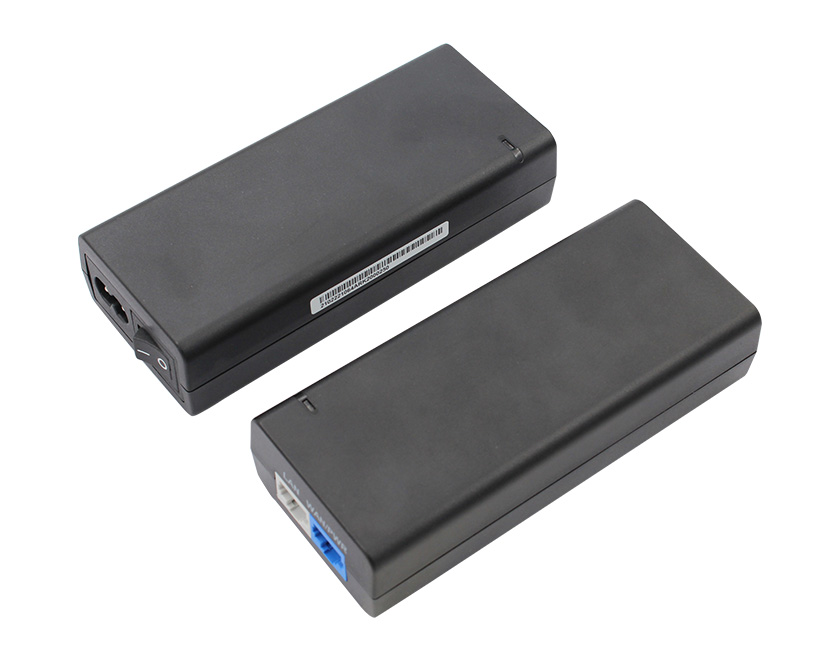
Investing in quality translates to confidence in urgency, peace of mind amid chaos. Partner with a brand that walks the talk: UE Electronic. Your equipment—and your patients—deserve nothing less than the best.