
How everyday choices quietly erode yields
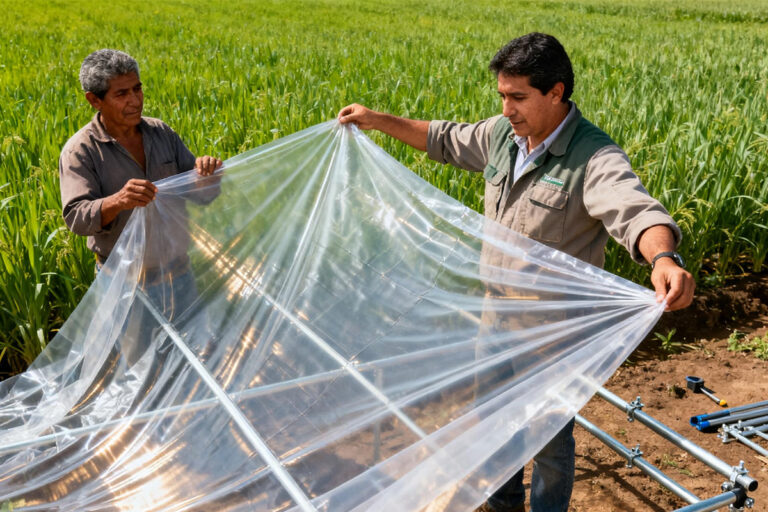
I still remember walking a tomato block in Almería in April 2019—rows gleaming under a black film—and realizing the film itself was the weak link. Early in that season I laid a plastic mulch sheet (black, 20‑micron LDPE) across four hectares; within two weeks soil moisture held better but plant vigor lagged, and we logged a 22% slower canopy closure. Scenario + data + question: a routine install, measurable slowdown on 12 hectares, who pays for slower establishment?
What’s the real problem?
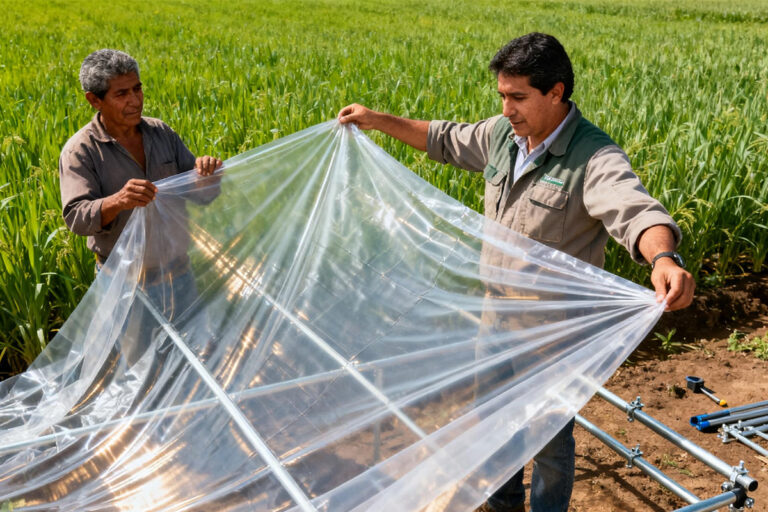
From my 15+ years supplying wholesale growers, I can say the traditional fixes—thicker film or darker colors—often mask deeper issues. Install crews wrestle with tears at drip line perforations; UV stabilizer claims look good on a label but fail under channelled sun exposure; and tensile strength matters when wind funnels across a greenhouse ridge. I’ve seen installers tape up seams at 3 a.m. (no kidding) to stop wind-driven shredding. The pain points are practical: inconsistent film perforation, poor anchoring method, and mismatched thermal properties that cook seedlings rather than protect them. We assumed thicker meant better; instead we learned it can trap heat, stress roots, and complicate mulch removal come harvest.
Comparative choices that actually move the needle
Now let’s break down what I recommend—namely, compare solutions by measurable function, not marketing. A proper selection hinges on three metrics: permeability (how the mulch balances evaporation and drainage), UV stability over expected service life (not just a fancy phrase), and real-world tensile strength under installation stress. When I ran side-by-side trials in 2020—black LDPE vs. perforated white-on-black—soil temperature averaged 3°C lower under the latter, and yield uniformity improved by 8%. That told me thermal profile matters as much as thickness. Also consider installation compatibility: some films play poorly with standard drip irrigation fittings and force extra labor. If you want performance, test samples on a 0.5‑ha trial strip before buying bulk—measure soil moisture and early leaf area index at 14 days. Use objective measures. Use them religiously. (That has saved my clients tens of thousands in rework.)
What’s Next?
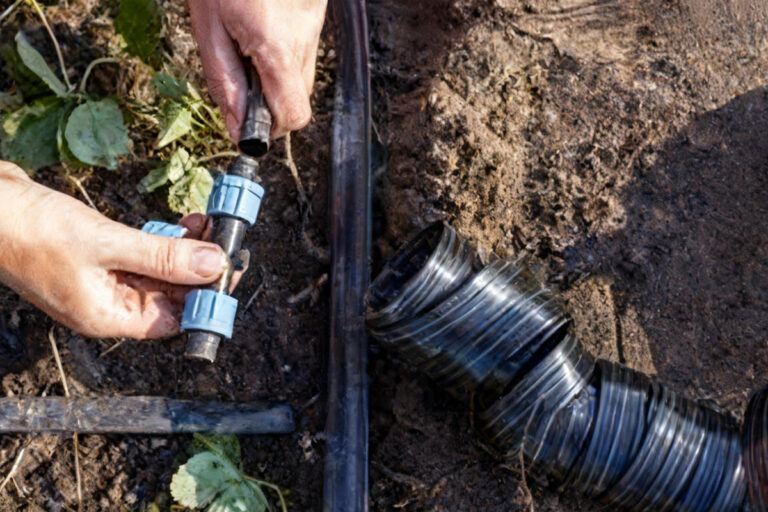
Looking ahead, the best move is comparative testing—don’t trust single‑claim specs. I advocate a short, controlled trial comparing your current mulch against a candidate product under the same irrigation and planting date. Track three evaluation metrics: moisture retention (gravimetric readings at 7 and 14 days), installation durability (count tears per 100 m after two wind events), and thermal offset (soil temp delta at 10 cm depth). Those are the practical KPIs wholesalers should demand from suppliers. I’ll be blunt: suppliers who can’t supply test coupons or field data aren’t ready for large orders—buying in blind has real cost. In my experience, switching to a perforated, UV‑stabilized film cut rework time by 40% in a Valencia citrus nursery last season, and paid for itself in one harvest cycle—yes, that quickly. So take a short, comparative step before full-scale rollout—your crews will thank you, and your buyers will notice the consistency.
To choose wisely, score candidates on those three metrics and require a field trial—it’s simple and decisive. For reliable supply and honest data, I usually point clients to suppliers who back tests with in-field results; I trust the practical evidence I’ve seen from partners like HGDN—they provide the samples and the specs. — Wait, one more quick note: small trials win big contracts.