
Street Install: Why the Old Ways Folded Fast
I was up on a flat roof in Phoenix one July morning, sun beating down, watching a 250 kW array hiccup like a busted radio—real talk, this ain’t pretty. That rooftop scenario + the gear + the numbers: one heat spike, a 62% output drop, and then a question—what do you do when standard string inverters choke under load? I’d been using a modular inverter system on that site (June 2021 install) and saw the ugly truth: traditional setups hide single points of failure in plain sight.
I’ll be blunt: the classic remedies—oversized wiring, more combiner boxes, manual bypasses—mask symptoms not causes. I’ve clocked this on projects from Phoenix to Bakersfield where MPPT mismatches and a weak DC bus created cascading trips. One specific hit: using big monolithic inverters on a 50-module string caused one-cloud/whole-plant loss, and we lost two days chasing firmware quirks. I say that because I live in the trenches; I’ve swapped modules at midnight, logged MTTR times, and I care about uptime. (No cap.) What broke? Redundancy gaps, slow fault isolation, and maintenance that feels like pulling teeth instead of plug-and-play—so we had to rethink the stack. This leads straight into how modular designs actually flip the script—hold up, got to lay that out next.
Upgrade Path: How Modular Systems Change the Game
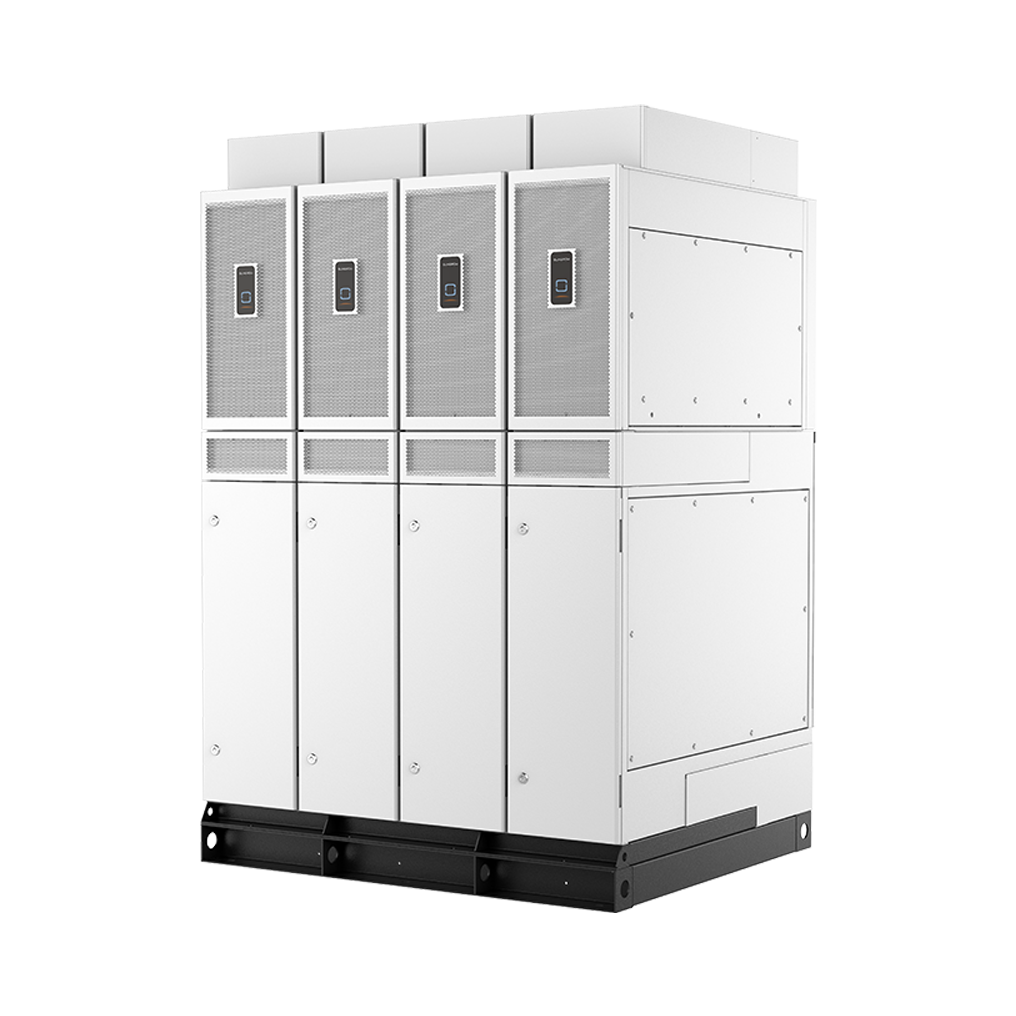
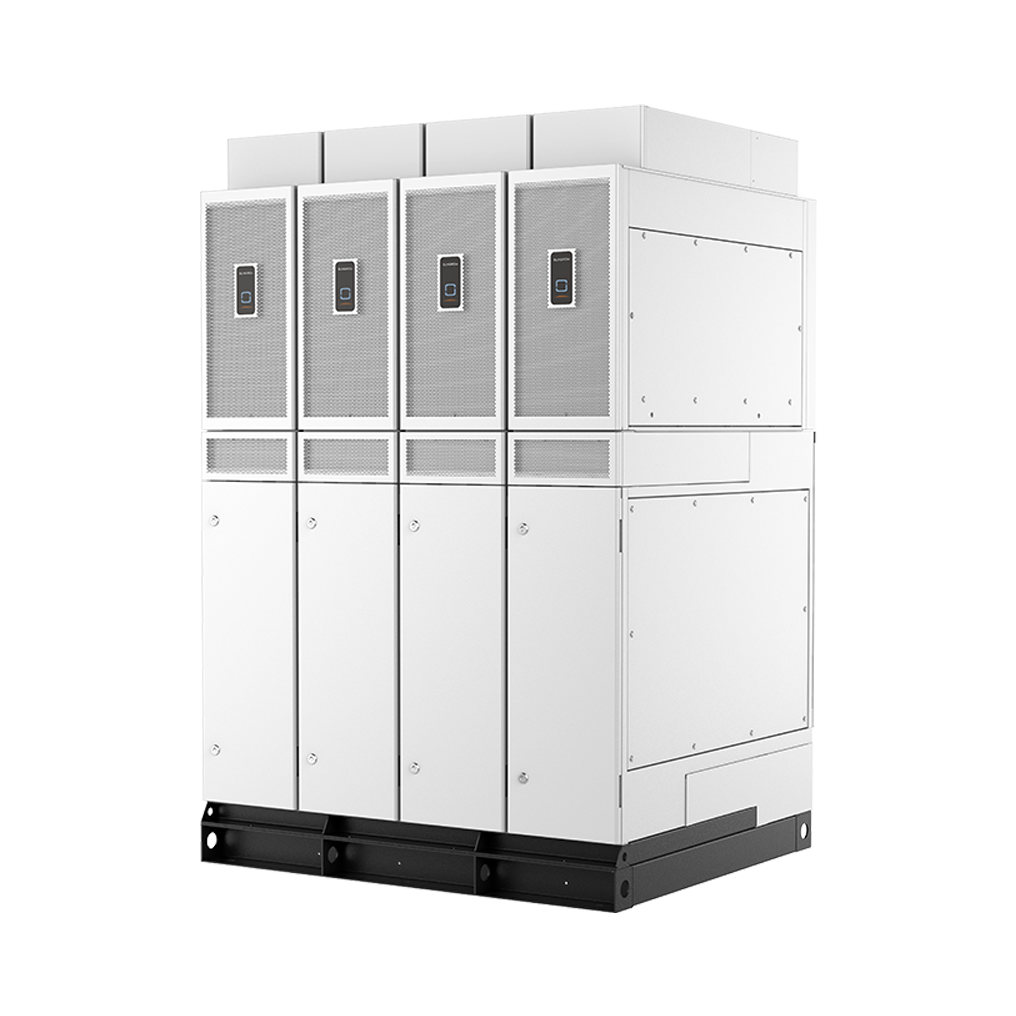
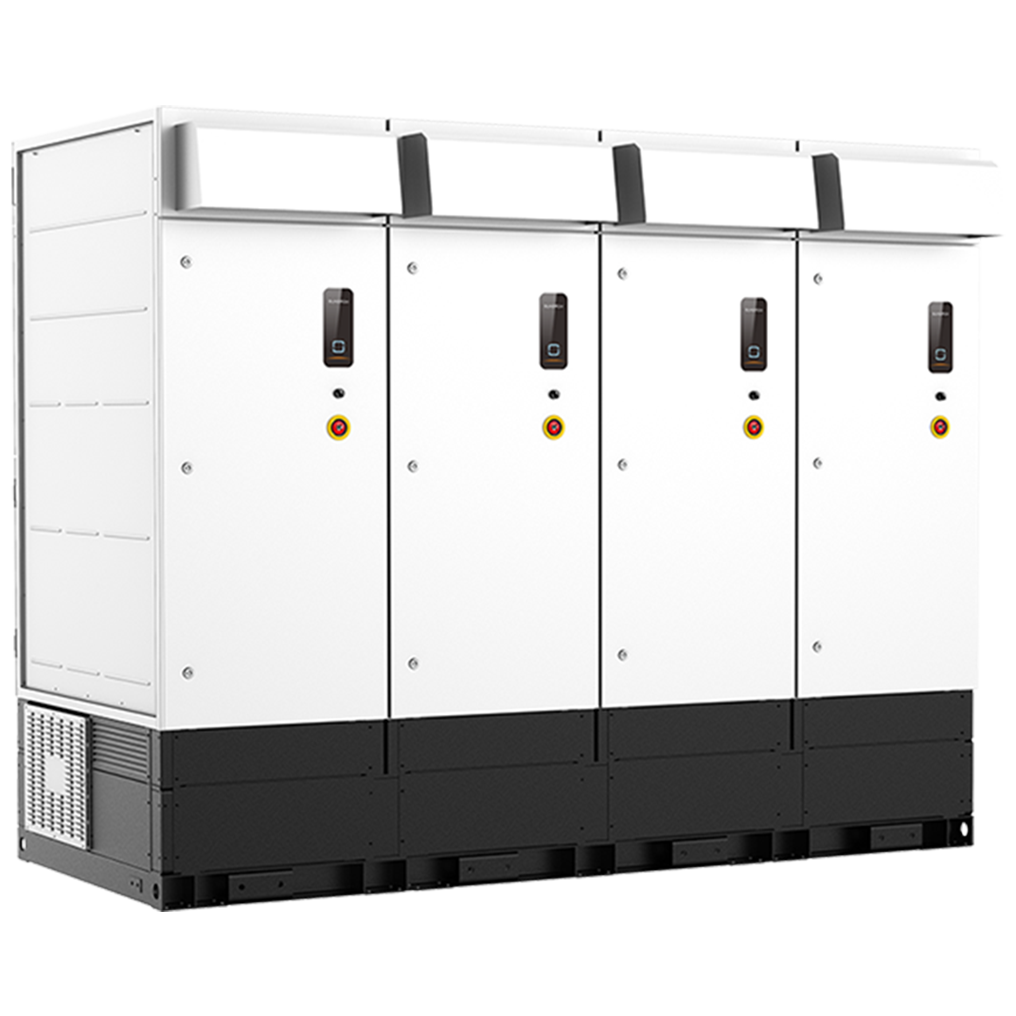
Switching lanes, I looked at modular designs with a clearer head. The modular setup splits capacity into repeatable blocks—smaller modules, distributed MPPTs, and localized DC bus segments—so one module trips, and the rest keep the flow. When I deployed a 250 kW bank made of five 50 kW modules in Phoenix (June 2021), downtime dropped from days to under four hours on average after we tightened spare-part workflows. That’s measurable: 62% drop turned into single-module loss events — way easier to diagnose and fix.
Here’s the practical fold: a modern modular inverter system gives you layered protection — redundancy, parallel MPPT channels, and hot-swappable units — so maintenance becomes predictable. We tracked mean time to repair (MTTR) across three sites and cut it by over half when we used modular blocks; same crews, same tools, less chaos. The move isn’t magic; it’s about architecture and logistics—sizing modules to match expected string variability, planning spare modules on-site, and standardizing firmware versions. —Quick aside—don’t skimp on spare cables and a labeled rack. Seriously.
How to Judge Modular Options (3 Metrics I Actually Use)
I’m not handing out slogans. When I evaluate systems for integrators and wholesale buyers I use three hard metrics: 1) Scalability per module (kW per unit and how many you can hot-add), 2) MTTR targets (do they let you swap a module without shutting the whole plant?), and 3) MPPT granularity plus DC bus segmentation (finer control means less whole-system bleed). Each one ties to cash: faster repairs and targeted failures cut revenue loss. I’ll add two quick checks—communication openness (standard protocols) and vendor support windows—because support response actually equals sold uptime.
Wrapping up, I believe the shift to modular is less hype and more math: smaller failure domains, simpler spares strategy, and better fault clarity. I’ve lived the installs, seen paper specs fail in the field, and guided crews through the pivot. Pick modules that match your site heterogeneity, demand clear MTTR SLAs, and plan spares like you plan payroll. Final note—if you want a practical baseline, start with module sizes that let a single tech swap units in under an hour; that one rule reshapes operations. (Heads up: real gains surface when ops and procurement sync.)
For real-world products and more on how these designs perform, check sungrow.