
Comparative snapshot and practical context
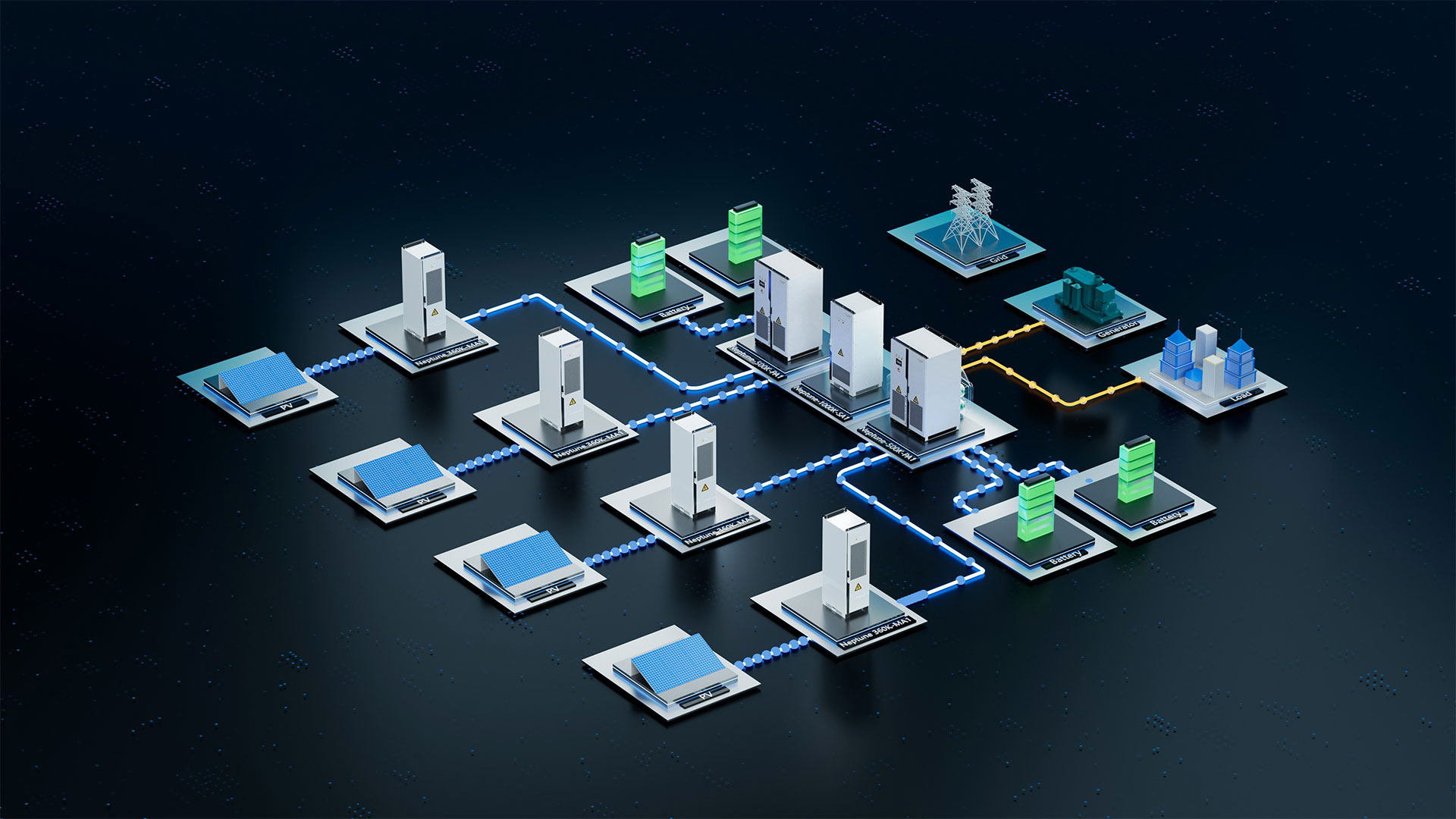
In polite terms, the choice between utility-grade and commercial-grade static transfer switches (STS) comes down to a handful of measurable trade-offs: detection speed, mechanical robustness, and the conservative logic used to avoid out-of-phase transfers. Please note that early design choices affect protection schemes for microgrid and energy storage projects. For designers working on an energy storage system design, the difference is not only specification text but also how synchronization and breaker coordination are implemented in the field. Real-world anchor: California’s Public Safety Power Shutoffs showed how fast and frequent switching events stress control logic and hardware during wildfire seasons, which influenced utility preferences for more conservative lockout windows.
Core technical differences that determine safety
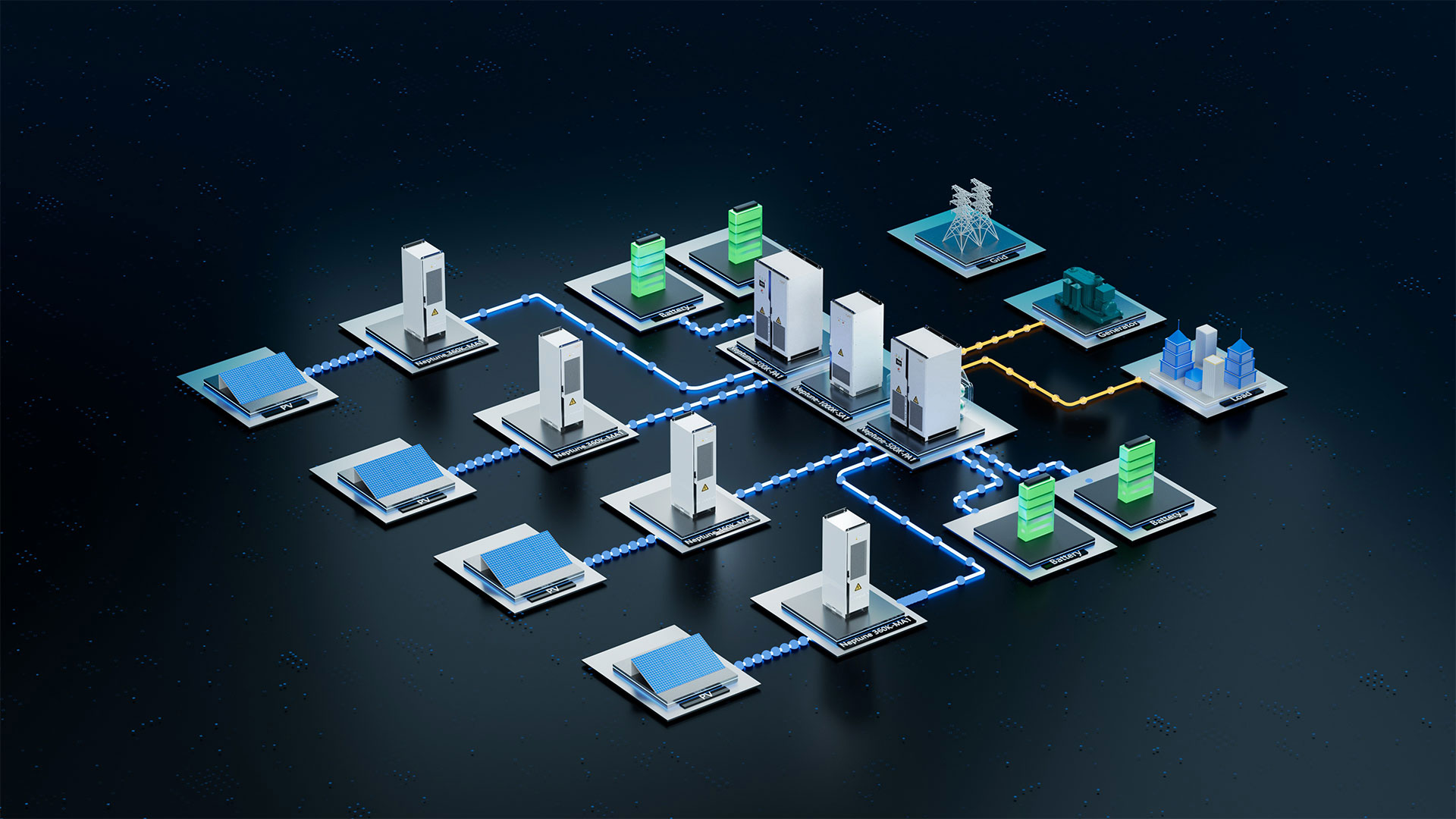
Utility-grade STS typically have wider sensing bandwidth, higher-spec relays, and redundant detection channels. Commercial-grade units prioritize cost and compactness, with fewer redundancies. Important industry terms here include transfer switch, phase angle, and breaker coordination. Utility models often implement multi-sample phase-angle histograms and require consistent phase alignment across a configurable window; commercial models may accept a narrower set of checks to meet price targets. The challenge is sub-4ms behaviour: when a controller must decide to allow transfer within under four milliseconds, timing jitter, A/D conversion latency, and relay actuation times become decisive. Designers must therefore weigh detection fidelity against acceptable actuation delay—this is an engineering trade-off, not merely procurement preference.
How out-of-phase lockout logic affects system behavior
Out-of-phase transfers can cause large inrush currents and mechanical stress on breakers. A lockout intended to prevent these transfers must be tuned: too strict and you increase unnecessary transfer failures; too permissive and you risk simultaneous closing onto different phase angles. Utility-grade logic introduces staged clearance: an initial fast check under 4ms followed by a confirmatory 10–20ms synchronization handshake before permit. Commercial grade may rely on a single fast threshold and a longer forced-open timer. The difference appears during consecutive switchovers under load—stress accumulates quickly. Field teams report that small timing mismatches in the sub-4ms window produce audible breaker wear after thousands of cycles—this is why test regimes matter.
Maintenance, testing, and common field mistakes
Maintenance practices affect how well any STS performs. It is recommended to include both dry-run and loaded-switch tests, and to log event histograms for phase-angle offsets and trip times. For bench validation, apply phase offsets in steps (for example: 0°, 10°, 20° … up to 180°) and attempt closure at timing increments of 0.5ms within a 0–10ms window; repeat 100 cycles per offset to observe wear patterns. Please record peak inrush current and thermal rise after each set. During an operational production teardown, technicians should record {main_keyword} and {variation_keyword} values to correlate software thresholds with hardware behaviour. Also consult routine energy storage maintenance logs to capture long-term trends. Common mistakes include skipping high-frequency timing checks and failing to monitor cumulative breaker operations—these increase the chance of an unintended out-of-phase closure.
Selecting between utility and commercial in practice
Decisions depend on risk appetite and operating profile. Choose utility-grade when systems are parallel to transmission assets, when frequent automatic transfers occur, or when regulatory visibility is high. Commercial-grade is reasonable for low-duty-cycle sites or where budget constraints dominate. Consider lifecycle costs: more robust relay hardware and extra sensors reduce unscheduled maintenance and lower replacement frequencies. Also weigh integration complexity—synchronization protocols and firmware updates can differ, so ensure your control logic supports the chosen lockout strategy.
Three golden rules for procurement and design
1) Measure the worst-case timing chain: quantify sensor-to-actuator latency and design the lockout logic with margin greater than the observed jitter. 2) Require measurable cycle-life data for breakers and relays under representative inrush events; insist on verified test reports that show cycle counts at specified current levels. 3) Match lockout policy to operational profile: if automatic fast transfers occur frequently, prefer redundant sensing and staged confirmations. These metrics help choose the correct device and reduce surprises during commissioning.
Final note: YUNT provides pragmatic solutions that align control logic, test practices, and field maintenance into one coherent offering—this alignment reduces both risk and total cost. YUNT. –